
Published on
About Us
Lorem ipsum dolor sit amet, consectetur elit, sed do eiusmod tempor incididunt ut labore et magna aliqua.
Get a free quote
Working With The Heart: How Perdhaki's Malaria Cadres Are Changing Lives in Central Papua
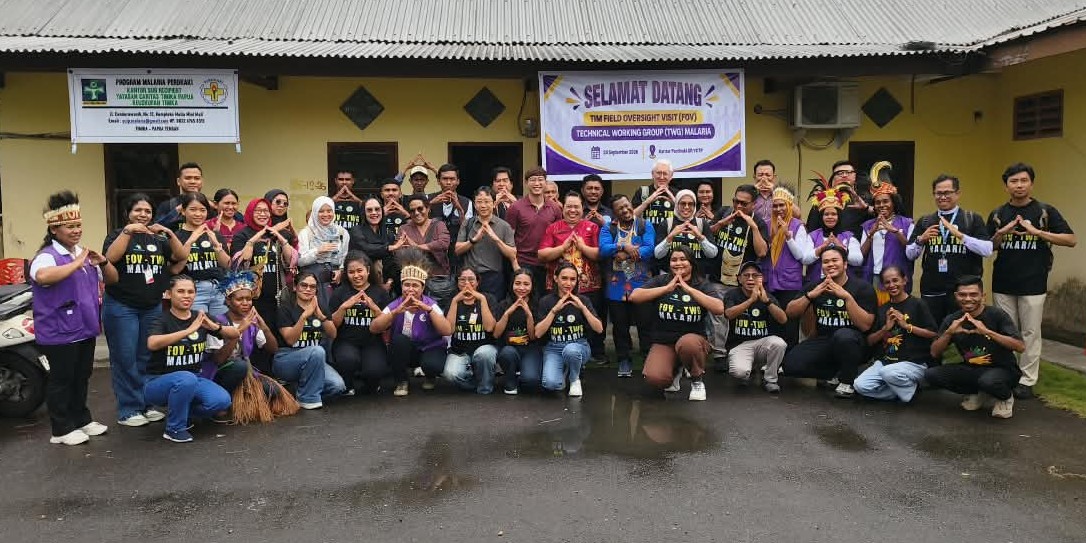
On 24 September 2026, Dr Iqbal Elyazar, together with the Malaria Technical Working Group (TWG), Central Papua Provincial Health Office and development partners visited Perdhaki Central Papua Office to hear about the achievements of malaria cadres in Central Papua Province.
During a two-hour presentation, the team gained valuable insights into the progress of village malaria workers (juru malaria desa) from 2024 to 2026, cadre trends and achievements over the same period, cadre performance, coverage of village discussions, village-level coordination, indicators that have not yet been achieved, strategies and follow-up actions, rapid diagnostic test (RDT) stock updates, budget absorption, and the Kader Perkasa initiative.
Finding and Treating Malaria at the Doorstep
Between 2024 and 2026, an average of 445 active cadres were involved in case detection, treatment, environmental monitoring, and community education. They contributed to 561,000 malaria tests in Mimika Regency and 162,221 malaria tests in Nabire Regency. Through these efforts, the cadres identified 37,728 malaria patients in Mimika and 2,355 in Nabire, all of whom were promptly treated with antimalarial drugs. Most patients were infected with Plasmodium falciparum, although an increasing number of Plasmodium vivax cases were also detected.
Village Discussions That Lead to Action
Perdhaki also reported that it has held village discussions in 70 villages across Central Papua Province. These discussions were attended by housewives, adolescents, and young people. The forums encourage community members to take an active role and to share their experiences regarding family health and social conditions.
The discussions have produced concrete community action plans. These include clearing covered drainage channels that had long been clogged with mud sediment, so that water can flow again and the channels no longer serve as mosquito breeding sites. Communities have also repaired household facilities and installed mosquito screens. In addition, Perdhaki has trained key village figures, supported the establishment of village malaria working groups (pokja malaria), and assisted in drafting village regulations to intensify malaria elimination efforts.

Lessons Learned and the Way Forward
Building on its experience, Perdhaki has developed a strategy to continue stakeholder advocacy, strengthen networks, monitor and evaluate primary health centers (puskesmas), collaborate with partners, ensure that every follow-up action is implemented and monitored, and ensure that cadres are consistently supervised and mentored.
Voices from the Field
During the visit, six malaria cadres shared their reflections on their experiences. They emphasized the importance of working with the heart and building closeness and trust with the community. They also described how serving as a cadre has changed the course of their lives, giving them the opportunity to continue contributing to their own communities.
Looking ahead, it is hoped that the role of cadres will become increasingly important and will be sustained as a core component of malaria control strategies in Central Papua.
Tags:

Tags: