
About Us
Lorem ipsum dolor sit amet, consectetur elit, sed do eiusmod tempor incididunt ut labore et magna aliqua.
Get a free quote
Work Package 5. Implementation & System Integration
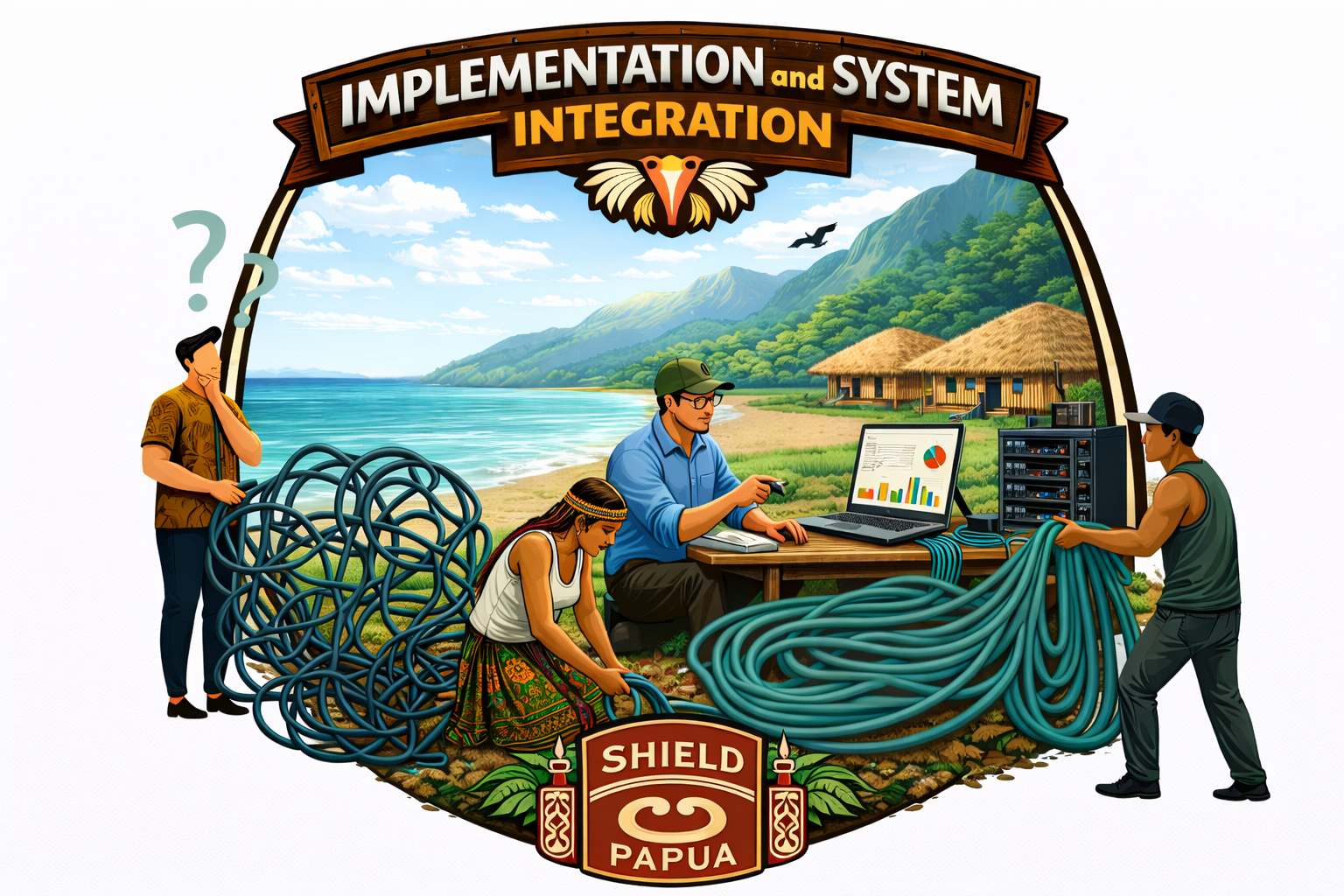
Understanding context before action
Effective public health strategies depend on local realities.
Integrating geocultural and anthropological research to understand mobility patterns, livelihoods, behaviours, and community structures that shape disease risk and influence intervention uptake. This work examines how community structures and everyday practices influence transmission risk and the uptake of public health strategies. These insights guide the design of surveillance systems, models, and implementation strategies to ensure that actions are culturally grounded and operationally feasible.
Focus areas:
- Community, behavioural, and mobility mapping to understand local practices, livelihoods, and service access
- Contextual and ethnographic field investigations to identify social and cultural factors influencing transmission risk and intervention uptake
- Translation of local insights into surveillance design, modelling assumptions, and implementation strategies
What We Do:
- Invitation to a Seminar on Malaria Risk in Tourism Travel Commemorating World Malaria Day in Lampung
- Cross-Border Synergy: Indonesia and Malaysia Technical Exchange to Strengthen Zoonotic Malaria Surveillance
- Forest Package Strategy: Finalising Malaria Intervention Loci for Mobile Migrant Populations 2026
- Strengthening Regional Regulation: Jayapura Regency Consults on Draft Bylaw for AIDS, TB, and Malaria (ATM) Prevention and Control
- Jayapura Strengthens Regional Regulation for AIDS, TB, and Malaria Control
- Creating Vector-Free Environments: Strengthening Environmental Management for Malaria Elimination
- Strengthening the National Policy Framework: Drafting the Presidential Instruction for Malaria Elimination in Papua
- Special Intervention Strategies: Coordinating Malaria Control for Mobile Migrant Populations
- Strengthening Legal Foundations: Standardising Regional Regulations to Accelerate Malaria Elimination
- Ministry of Health Holds National FGD to Strengthen Dengue Control Strategy Towards Zero Dengue Deaths by 2030