
Dipublikasi

About Us
Lorem ipsum dolor sit amet, consectetur elit, sed do eiusmod tempor incididunt ut labore et magna aliqua.
Get a free quote
Breakthrough in Malaria Control in Mimika: Testing Innovative Solutions to Reduce Outdoor Transmission
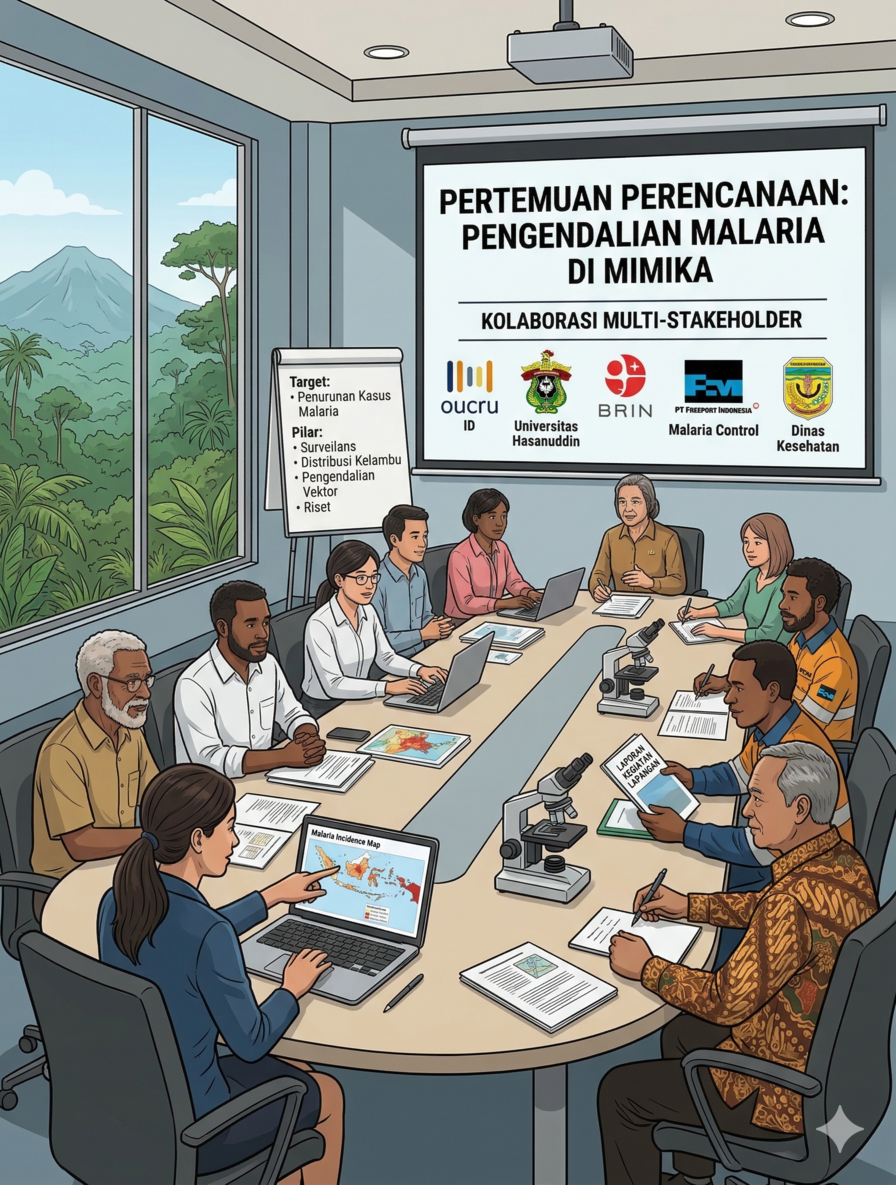
Papua continues to face significant challenges in malaria control, particularly due to mosquito bites that occur outdoors, an area not fully addressed by existing interventions. To tackle this gap, Indonesia’s Ministry of Health, together with a range of partners, is preparing an innovative malaria control trial in Mimika District, Central Papua.
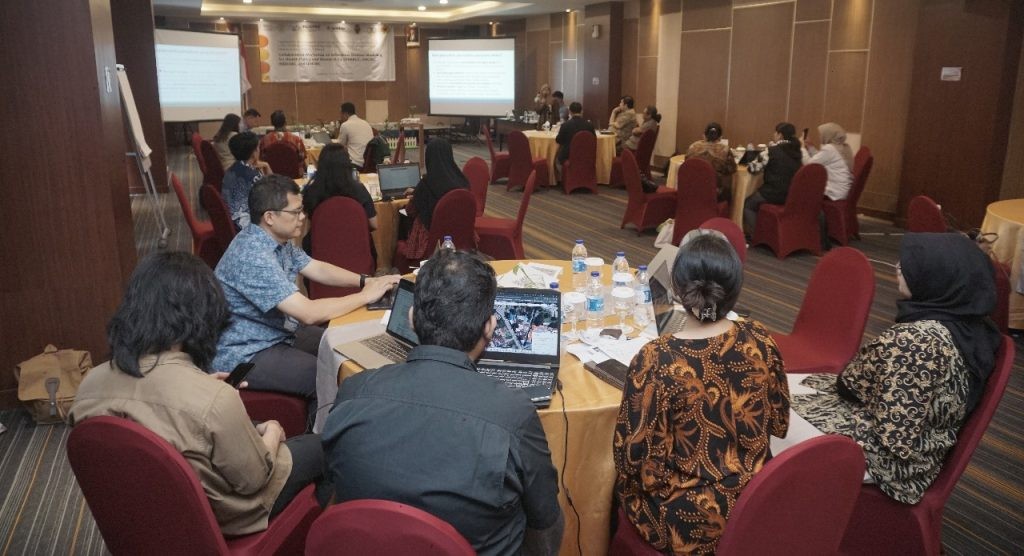
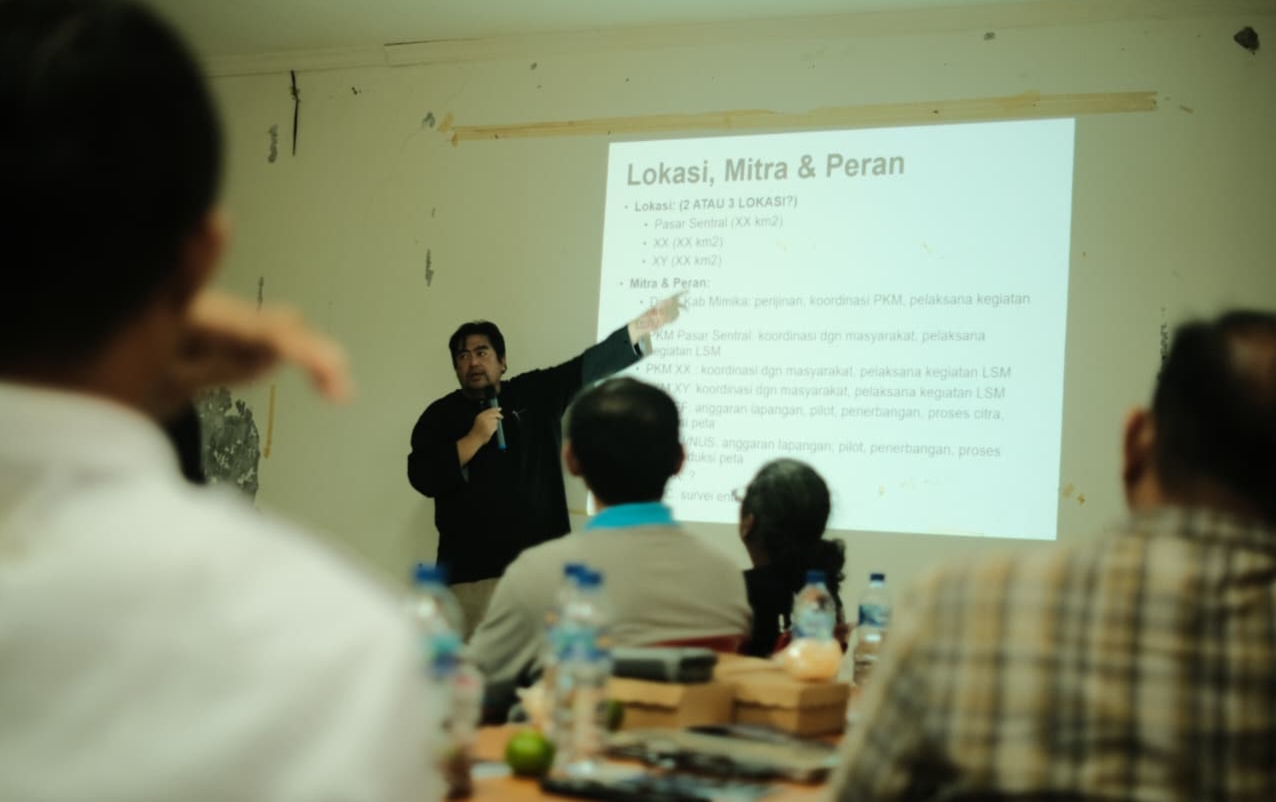
The initiative began with a series of multi-stakeholder coordination meetings held on 3, 5, and 9 March 2026. These meetings brought together key partners, including the Oxford University Clinical Research Unit Indonesia (OUCRU ID), Hasanuddin University, the Eijkman Molecular Biology Research Centre under the National Research and Innovation Agency (BRIN), the Malaria Control Programme of PT Freeport Indonesia, the Mimika District Health Office, and Pasar Sentral Primary Health Centre. The discussions aimed to align roles and ensure readiness for implementation on the ground.
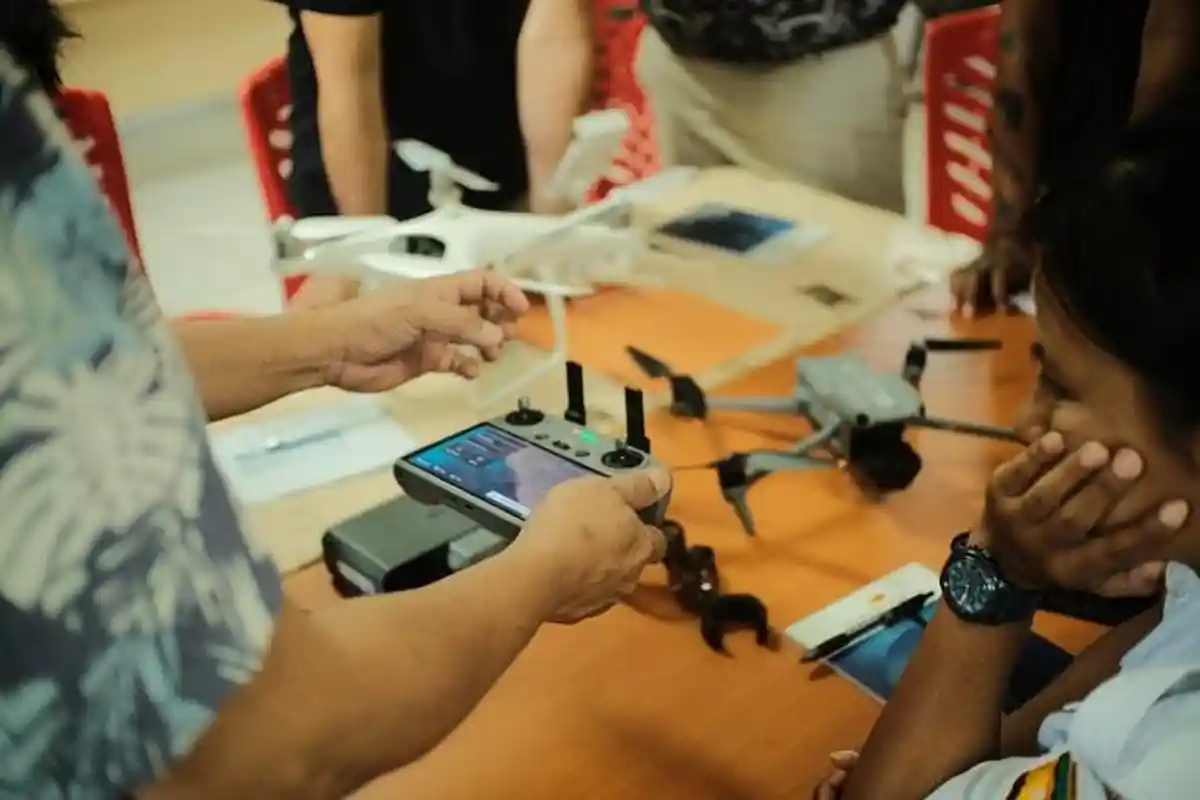
The study will evaluate two innovative tools: spatial emanators and barrier screens. Spatial emanators create a protective airspace around households, helping to reduce contact between humans and mosquitoes. Meanwhile, barrier screens are installed outdoors to intercept mosquitoes before they reach residential areas.
Over a six-month period, around 60 households in the Pasar Sentral area will take part in the study. In addition to measuring reductions in mosquito density, the study will assess ease of use, community acceptance, and the potential for integration into routine malaria control programmes.
Supported by the Asia Pacific Leaders Malaria Alliance (APLMA), this collaborative and carefully planned initiative aims to provide practical, innovative solutions to reduce outdoor malaria transmission and inform future policy development in Papua and other high-burden settings.
Tags:
Tags: