
Published on

About Us
Lorem ipsum dolor sit amet, consectetur elit, sed do eiusmod tempor incididunt ut labore et magna aliqua.
Get a free quote
OPERA Timika Study to Assess the Feasibility and Effectiveness of Combined Spatial Emanators and Insecticide-Impregnated Barriers for Malaria Vector Control
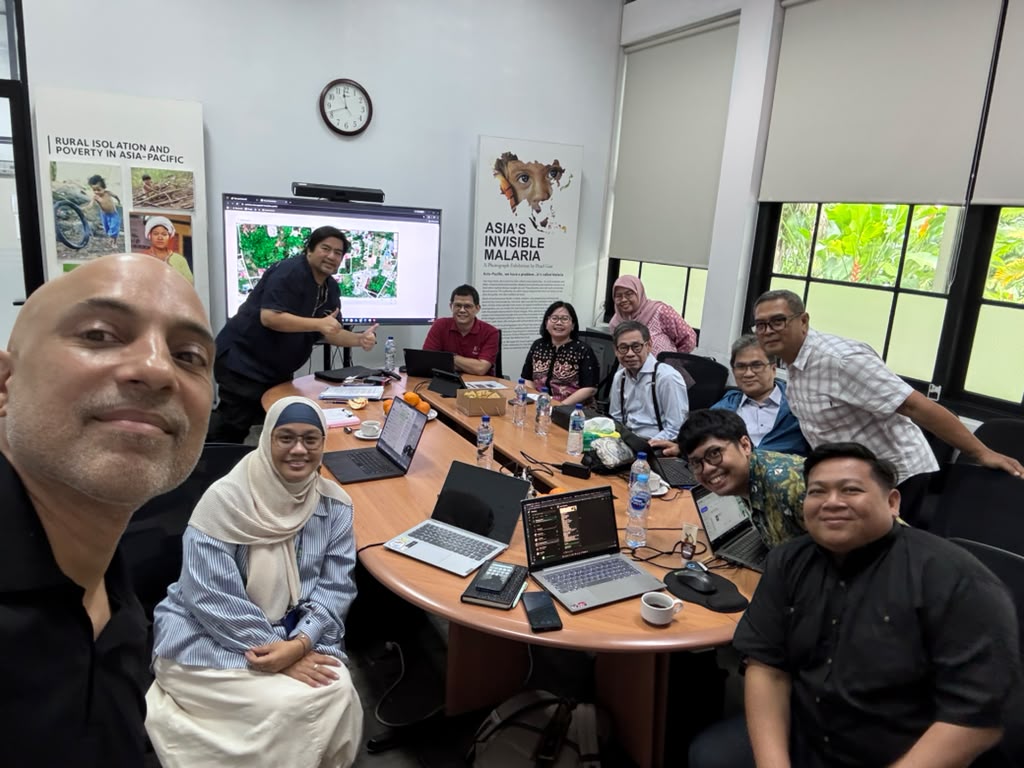
On 2 July 2026, a preparatory meeting for the Operational Feasibility and Effectiveness of Outdoor Protection Against Malaria Exposure at the Household Level in Timika, Papua, Indonesia (OPERA Timika) study was held at the IOCRL Meeting Room, OUCRU Indonesia. This pilot study aims to evaluate the implementation feasibility, community acceptability, and operational effectiveness of combining spatial emanators (SE) and insecticide-impregnated barriers (IIB) in Pasar Sentral Subdistrict, Mimika Regency, Central Papua Province.
The study will be implemented alongside existing malaria control interventions, including the distribution of long-lasting insecticidal nets (LLINs), community-based mosquito breeding site management, village health volunteer networks, and targeted indoor residual spraying. By integrating the intervention into an established malaria control programme, the study provides an important opportunity to determine whether outdoor protection tools can offer additional protection beyond routine malaria interventions.
The primary objective of the study is to assess the short-term impact of the combined use of spatial emanators (SE) and insecticide-impregnated barriers (IIB) on the frequency of Anopheles mosquito bites experienced by household members, both indoors and outdoors. Outcomes will be compared between households receiving the combined SE and IIB intervention and those receiving routine malaria control measures only.
The meeting was attended by representatives from OUCRU Indonesia, including Dr Iqbal Elyazar, Dr Lenny Ekawati, Dedi Sudiana, Adhi Andrianto, Aria A. Satwiko, and Nyoman Indra K. Also participating were Professor Niel Lobo, PhD, from the Eck Institute for Global Health, University of Notre Dame; Professor Din Syafruddin from the Department of Parasitology, Faculty of Health Sciences, Hasanuddin University; and representatives from Indonesia's National Research and Innovation Agency (BRIN): Dr Puji Budi Setia Asih, Dr Ismail Ekoprayitno Rozi, and Dr Lepa Syahrani.
Held from 10:00 am to 12:30 pm (WIB), the meeting focused on strategies for field data collection in Pasar Sentral Subdistrict, Mimika Regency. During the first half of the meeting, Professor Niel Lobo presented experiences from similar studies conducted in several African countries, including the deployment of spatial emanators and insecticide-impregnated barriers. Drawing on these experiences, he highlighted the potential applicability of these interventions in high malaria transmission settings such as Pasar Sentral.
The first phase of the study will involve a baseline household survey conducted before the interventions are installed. This will be followed by adult mosquito sampling using two complementary methods: Human Landing Catch (HLC) and indoor resting mosquito collections conducted at night. Human Behaviour Observation (HBO) will be undertaken concurrently with HLC activities to better understand patterns of human exposure to mosquito bites.
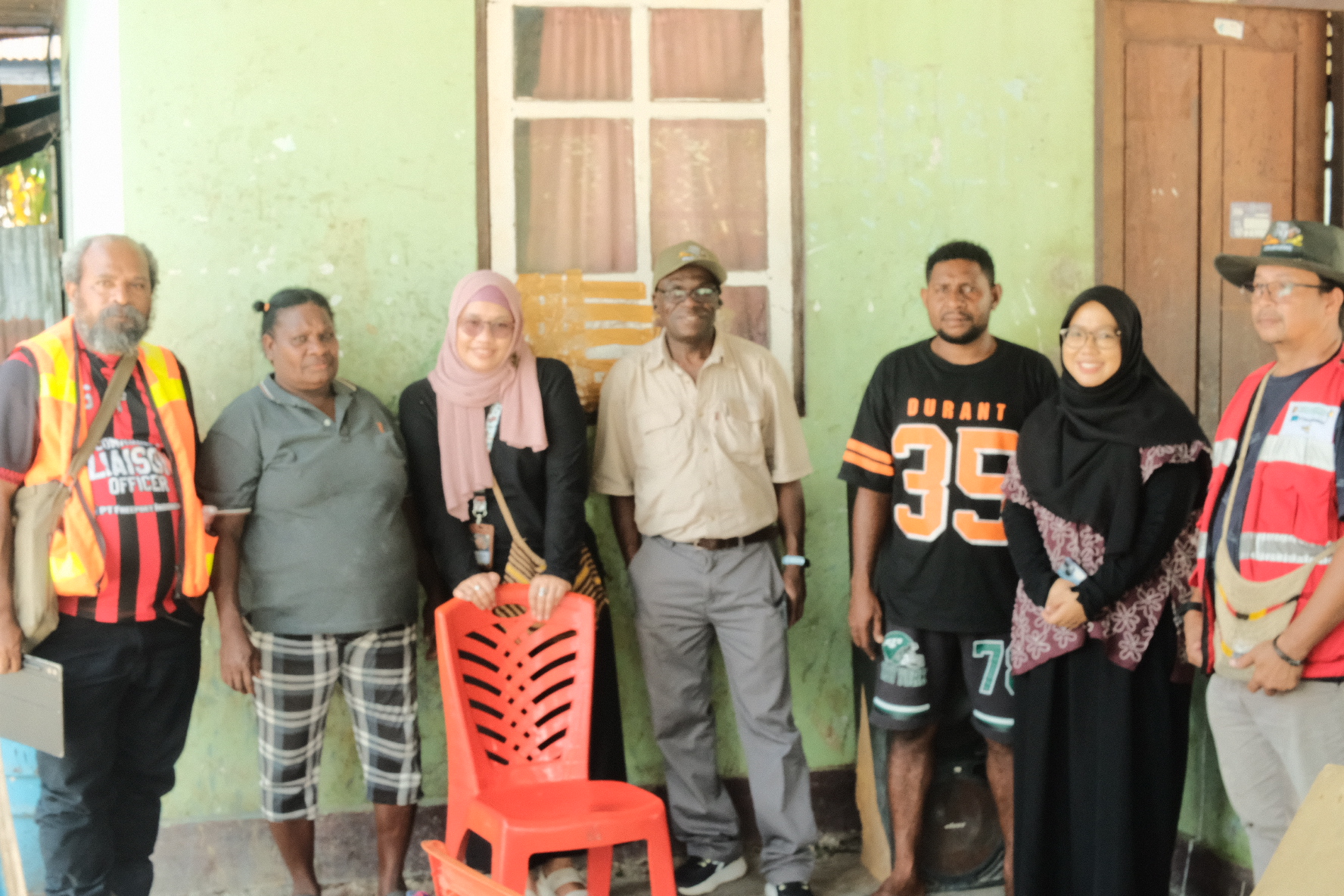
A larval survey will also be conducted at the beginning of the study, covering aquatic habitats surrounding 60 selected households in Pasar Sentral Subdistrict. Subsequently, monthly parasitological surveys will be carried out among all consenting household members residing in the enrolled households. In addition, a qualitative study comprising in-depth interviews and structured observations will be undertaken to explore community perceptions and operational considerations related to the intervention.
The OPERA Timika pilot study is expected to generate valuable evidence on the operational requirements for implementing combined spatial emanators (SE) and insecticide-impregnated barriers (IIB) as complementary malaria vector control interventions in high-transmission settings in Papua. The findings are anticipated to improve understanding of the extent to which these interventions can reduce malaria exposure both indoors and outdoors, thereby informing future malaria control strategies in Indonesia and other endemic settings.


Tags:

Tags: