
Published on
About Us
Lorem ipsum dolor sit amet, consectetur elit, sed do eiusmod tempor incididunt ut labore et magna aliqua.
Get a free quote
Prioritizing Ethics and Participant Consent in OPERA TIMIKA
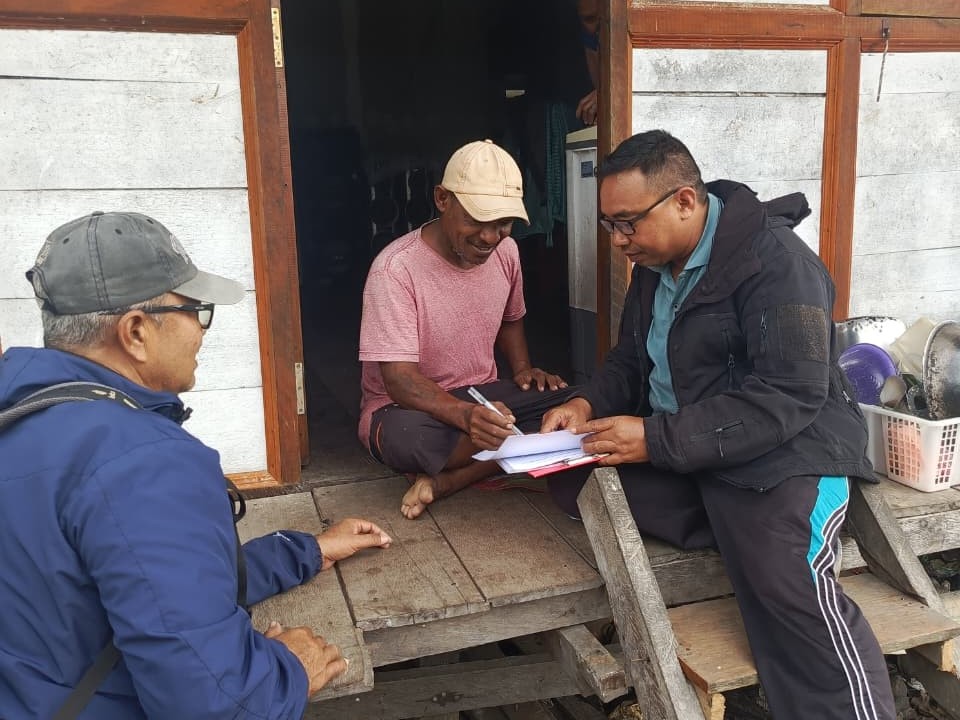
Timika, Papua — Protecting communities from malaria requires effective mosquito control, but every activity must also respect the rights, safety and understanding of the people involved.
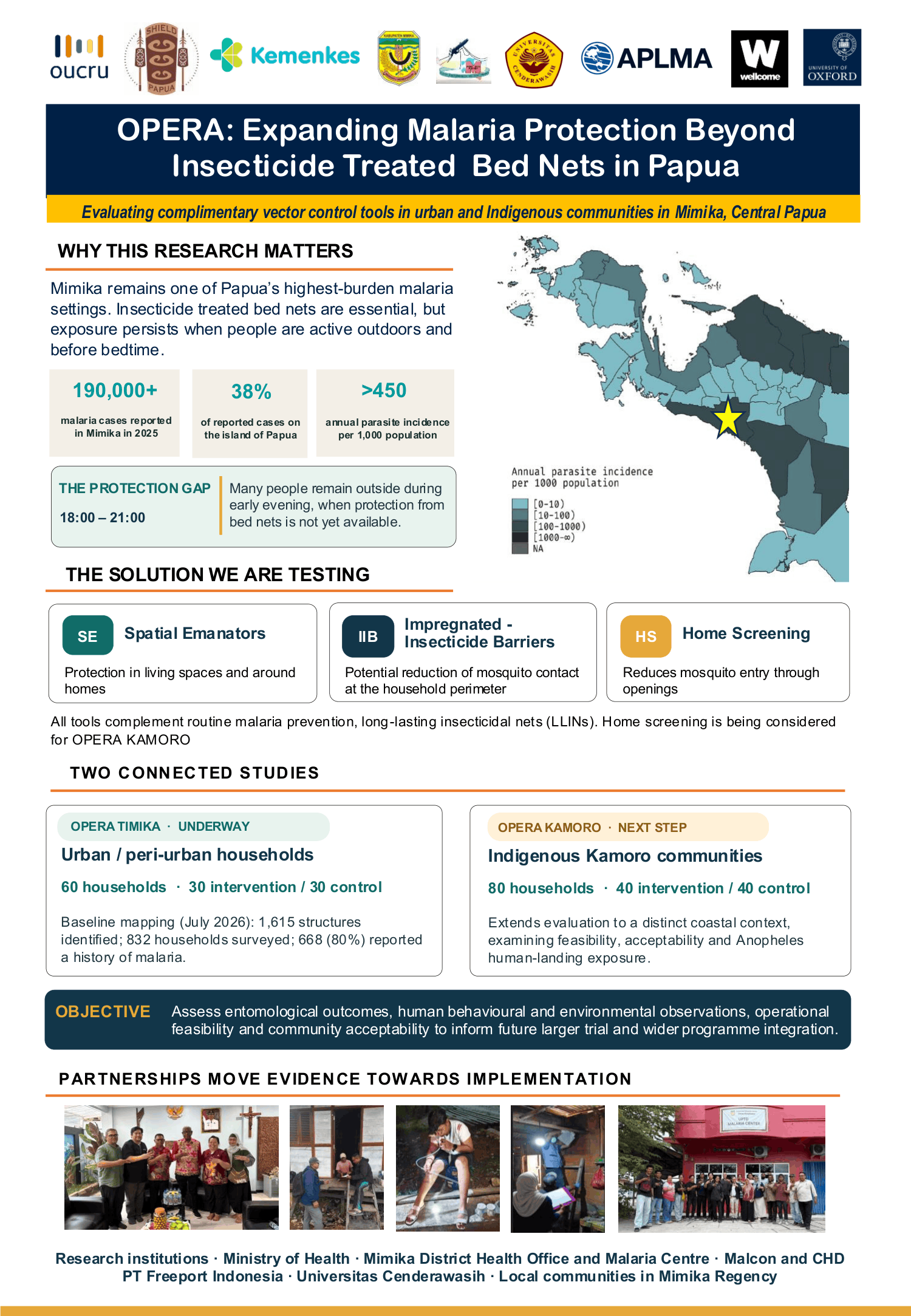
OPERA TIMIKA is being conducted in Mimika Regency, Central Papua, to assess the feasibility, community acceptability and performance of several approaches to malaria vector control. Activities include installing interventions in homes, collecting mosquitoes, testing for malaria and observing patterns of mosquito exposure and community activities.
Before fieldwork began, participant protection and informed consent were established as central components of OPERA TIMIKA.
Ethical approval before fieldwork began
OPERA TIMIKA follows a research protocol reviewed and approved by the Health Research Ethics Committee of the Faculty of Public Health, Cenderawasih University (KEPK FKM Uncen), under ethical approval number 235/KEPK-FKM UC//2026.
.
The ethical review covered participant recruitment, informed consent, data confidentiality, potential risks and benefits, blood sampling, mosquito collection and the installation of mosquito-control interventions in participants’ homes.
Before fieldwork began, the team also coordinated with the Mimika District Health Office, Mimika Regency Government, the Pasar Sentral urban village administration and other relevant local stakeholders.
Informed consent means more than a signature
Within OPERA TIMIKA, informed consent involves much more than signing a form.
Before deciding whether to participate, individuals receive a clear explanation from trained field staff in language they can readily understand.
This covers the purpose of the study, what participation involves, how long it will last, possible discomfort or risks, anticipated benefits, how confidentiality will be protected and whom to contact with questions or concerns.
They are also told that participation is voluntary. They may decline or withdraw at any time without affecting their entitlement to healthcare.
Written informed consent is obtained from adults. For children, consent is provided by a parent or guardian, together with the child’s assent where appropriate for their age and level of understanding.
Consent for malaria testing
Household members who agree to malaria testing provide a small blood sample by finger prick.
The sample is used for a malaria rapid diagnostic test (RDT), thick and thin blood films, and a dried blood spot (DBS) for molecular malaria testing.
Before blood collection, participants receive an explanation of the procedure, including the possibility of temporary discomfort from the finger prick. Testing is carried out only after participants have given consent. If malaria is detected, participants receive treatment through an appropriate health service.
Additional protection for mosquito collectors
One method used in OPERA TIMIKA is the human landing catch (HLC), which collects mosquitoes to determine when and where malaria vectors most often bite people.
Because HLC may expose collectors to mosquito bites, collectors undergo a separate informed consent process. The purpose, procedures and potential risks are explained in detail before they provide written consent.
Collectors also undergo malaria testing related to their participation and receive training on procedures and safety. This is important because malaria transmission in Mimika can occur both indoors and outdoors. Understanding when and where mosquitoes bite helps the team assess whether available protective measures match the patterns of exposure that communities actually experience.
Consent before installing household interventions
Participating households are also informed about the mosquito-control products to be used, including spatial emanators and insecticide-treated barriers.
Before installation, household members are told why the products are being used, where they will be placed, how they should be handled, relevant safety information, the monitoring schedule and whom to contact if they encounter a problem or wish to raise a concern. Installation takes place only after the household has agreed.
Throughout the implementation, the OPERA team monitors whether the products remain in place, how they are used and community members’ experiences of the intervention. This matters because technical efficacy alone is not enough for a malaria-control technology. The technology must also suit local housing conditions, everyday routines and the needs of the people who use it.
Ethics as part of malaria elimination efforts
In OPERA TIMIKA, ethical practice does not end when ethical approval is granted or a consent form is signed. It continues through respectful communication with participants, protection of confidential information, monitoring of field activities, responses to community questions and concerns, and collaboration with local government and health services.
This approach is particularly important when developing new malaria-control technologies. Communities are more than settings in which an intervention is tested. Their experiences, daily activities, housing conditions and perspectives are essential to understanding whether an intervention can be used effectively in everyday life.
Through OPERA TIMIKA, the team aims to generate useful scientific evidence while ensuring that participating communities receive clear information, have their rights respected and remain protected throughout the study.
OPERA TIMIKA is being implemented with local government, health services and other partners as part of efforts to strengthen malaria prevention and support malaria elimination across Tanah Papua.
Tags:

Tags: