
Published on

About Us
Lorem ipsum dolor sit amet, consectetur elit, sed do eiusmod tempor incididunt ut labore et magna aliqua.
Get a free quote
Strengthening Malaria Diagnostic Quality through SHIELD PAPUA's Contribution to ECAMM 2026
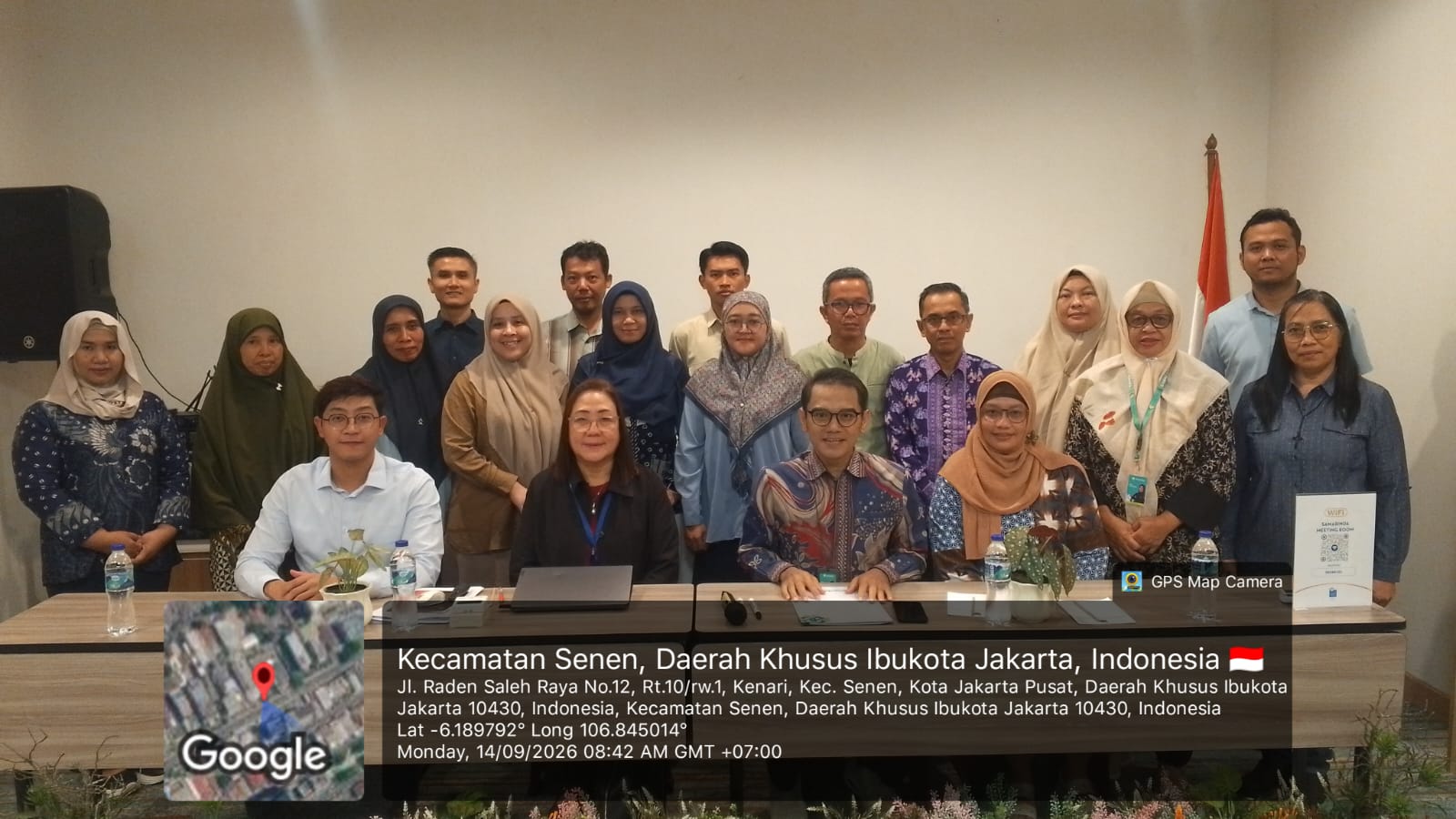
Through the involvement of a team member as a national facilitator, SHIELD Papua supported efforts to strengthen malaria microscopy competency at the External Competency Assessment of Malaria Microscopists (ECAMM) 2026, organised by the Indonesian Ministry of Health. The assessment, conducted in Jakarta and Surabaya, resulted in 22 microscopists achieving Level 1 or Level 2 competency certification by the WHO, strengthening Indonesia's pool of qualified malaria microscopy personnel.
Jakarta and Surabaya, September 2026. Every accurate malaria diagnosis depends on the careful examination of blood films by experienced and technically competent microscopists. Errors in species identification or parasite density calculation can affect patient management, case reporting and the quality of malaria surveillance data.
To maintain these standards, the Directorate of Communicable Diseases at the Indonesian Ministry of Health organised ECAMM 2026 in two batches. The first was held from 13 to 19 September 2026 at the Blue Sky Pandurata Hotel in Jakarta, followed by the second from 20 to 26 September 2026 at the Swiss-Belinn Tunjungan Hotel in Surabaya. Dedy Supriyanto, S.Si, MKM, the Ministry of Health's malaria diagnosis lead, oversaw the implementation of ECAMM 2026. Dr Fadjar Surya Mensing Silalahi, Head of the Vector-Borne Diseases Working Team (PATVZ GHBTB), formally opened both events.
The assessment was led by Ms Arlene Leah Santiago, MPH, an assessor from the World Health Organization (WHO). For Batch I, three national facilitators supported the activity: Lenny L. Ekawati, DPhil, of Oxford University Clinical Research Unit Indonesia (OUCRU Indonesia); Budi Prasetyorini, SKM, of Balai Besar Laboratorium Biologi Kesehatan Jakarta; and Kadek Lia Dwiyanthi, S.Si, of the Tanjung Priok Subdistrict Community Health Centre in North Jakarta. Lenny L. Ekawati and Budi Prasetyorini returned as facilitators for Batch II, alongside Nico Hartandi, S.Si, of Balai Besar Laboratorium Biologi Kesehatan Jakarta.
Over the course of a week, participants completed an intensive series of learning and assessment activities. These included a theory test, identification of malaria parasites on blood films, parasite density calculations, review of species differentiation, and recognition of blood components and artefacts that may be mistaken for malaria parasites.
Participants also received guidance on microscope use and maintenance, recent developments in malaria diagnosis, and internal and external laboratory quality assurance. At the end of the programme, they completed a competency assessment and developed follow-up plans to improve the quality of malaria testing in their respective workplaces.
ECAMM assesses individual microscopist competence and helps maintain consistent malaria diagnostic standards across regions and laboratories. Microscopy competence is important because results are used to identify parasite species, estimate parasite density, guide treatment selection and generate reliable surveillance data.
Strengthening diagnostic quality is particularly important for Papua. Malaria control programmes require accurate test results to ensure appropriate case management and improve the monitoring of changing transmission patterns. A capable laboratory workforce is also an essential part of a health system that can sustain its response to malaria, particularly in areas with high transmission and varying access to health services.

Together with one of Papua's leading malaria microscopists, Mr. Billy G. Makamur, S.Si., SHIELD PAPUA is committed to strengthening early malaria detection and improving the quality of malaria diagnosis across Papua.
The SHIELD Papua team's involvement in ECAMM 2026 reflects its commitment to connecting technical expertise and laboratory system strengthening with the practical needs of malaria programmes. The knowledge and experience gained from the activity are expected to inform training, quality assurance and malaria surveillance in Papua.

Faces filled with relief and joy after long days of competency assessments, spent examining malaria blood films under the microscope.
ECAMM 2026 was supported by the 2026 malaria component of the Global Fund to Fight AIDS, Tuberculosis and Malaria (the Global Fund). Collaboration among the government, WHO, reference laboratories, health facilities and research partners is expected to improve diagnostic quality and support Indonesia's progress towards malaria elimination.
Tags:

Tags: