
Published on

About Us
Lorem ipsum dolor sit amet, consectetur elit, sed do eiusmod tempor incididunt ut labore et magna aliqua.
Get a free quote
Bali Marks the Starting Point for Stronger Indonesia-PNG Collaboration Towards Malaria Elimination on the Island of New Guinea
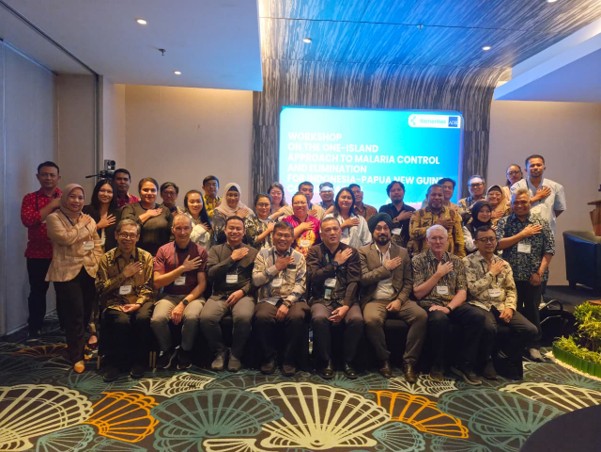
Bali, 6 October 2026. The Ministry of Health of the Republic of Indonesia and the Asian Development Bank (ADB) held the Workshop on the One-Island Approach to Malaria Control and Elimination at Four Points by Sheraton, Ungasan, Bali. The two-day workshop brought together representatives of the Ministry of Health, provincial and district health offices in Tanah Papua, research institutions, universities, and development partners. Its aim was to shape Indonesia's position ahead of bilateral discussions with Papua New Guinea (PNG).

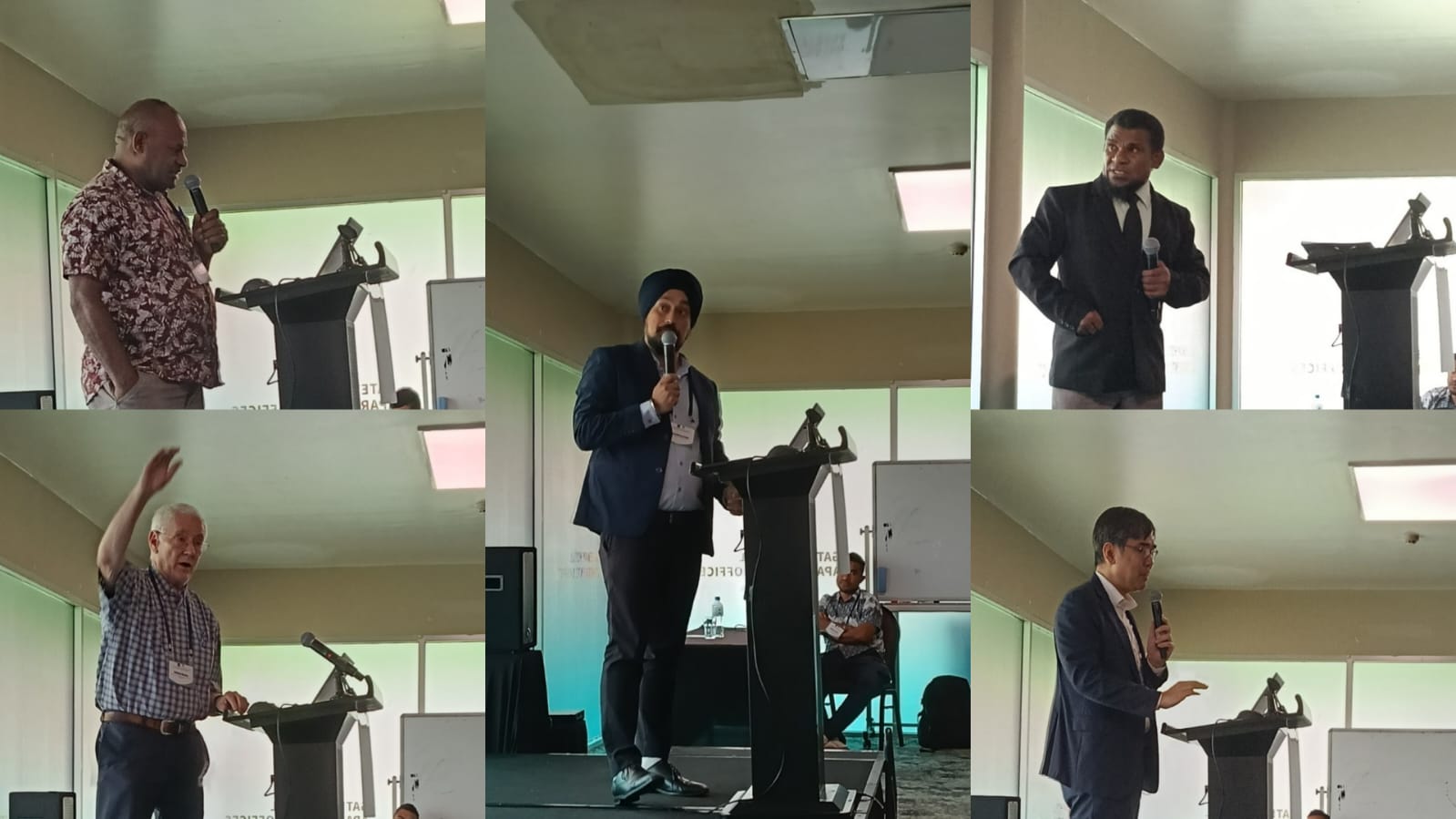
The morning session was opened by Dr Fadjar Silalahi of the Ministry of Health and Amandeep Singh of ADB. Chiqui de Veyra of ADB then presented the Ending Complex and Challenging Infectious and Tropical Diseases technical assistance programme (ExCITD TA), one of the umbrella initiatives supporting the workshop.

Participants were then introduced to the malaria transmission landscape on the island of New Guinea in a session moderated by Ermi Ndoen of UNICEF. Hermawan Susanto outlined the national epidemiological situation and the scale of the malaria burden in Papua. Iqbal Elyazar presented a priority-specific situation analysis of malaria in Papua, Indonesia, while Stephan Karl presented a similar analysis for PNG. Together, the three presentations provided common ground for viewing malaria on both sides of the border as a single challenge.
After the coffee break, provincial perspectives took centre stage in a session chaired by Edi Sunandar of the Ministry of Health. Representatives of health offices from three provinces shared the malaria control challenges in their regions and the opportunities for cross-country collaboration. They were Irwan from Papua Province, Yenice Derek from Central Papua, and Agustinus Muyak from South Papua.

Towards midday, Dr William Hawley of APLMA explained the vision and rationale behind the one-island approach. He also gave an overview of the Indonesia-PNG Joint Action Plan.
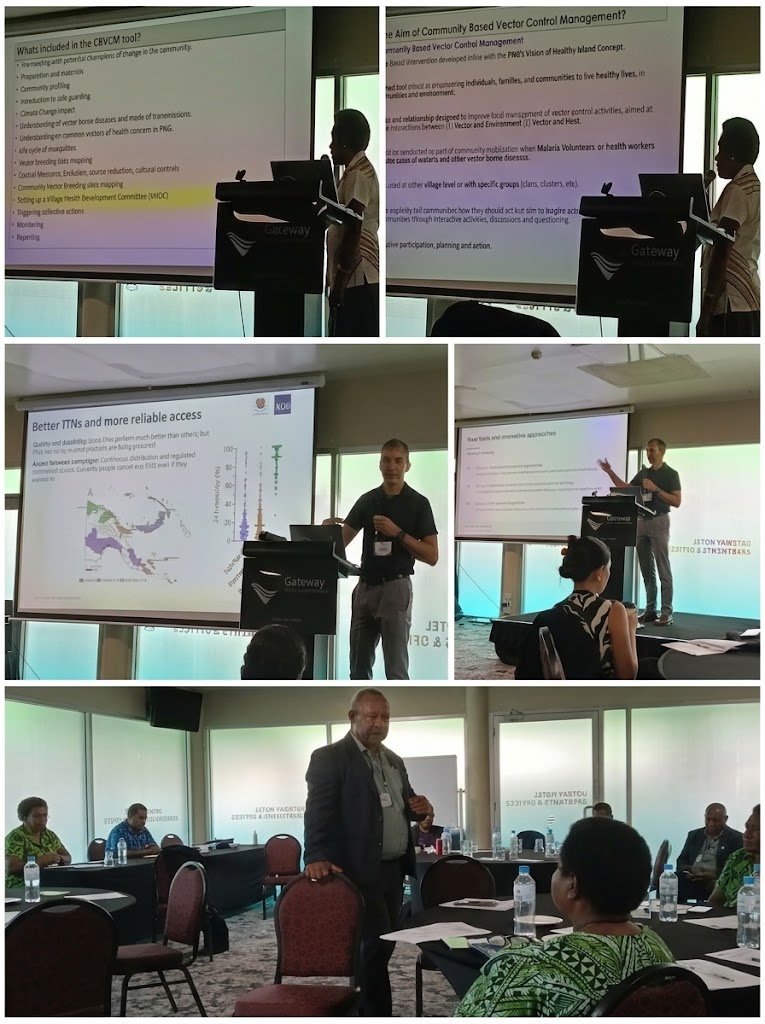
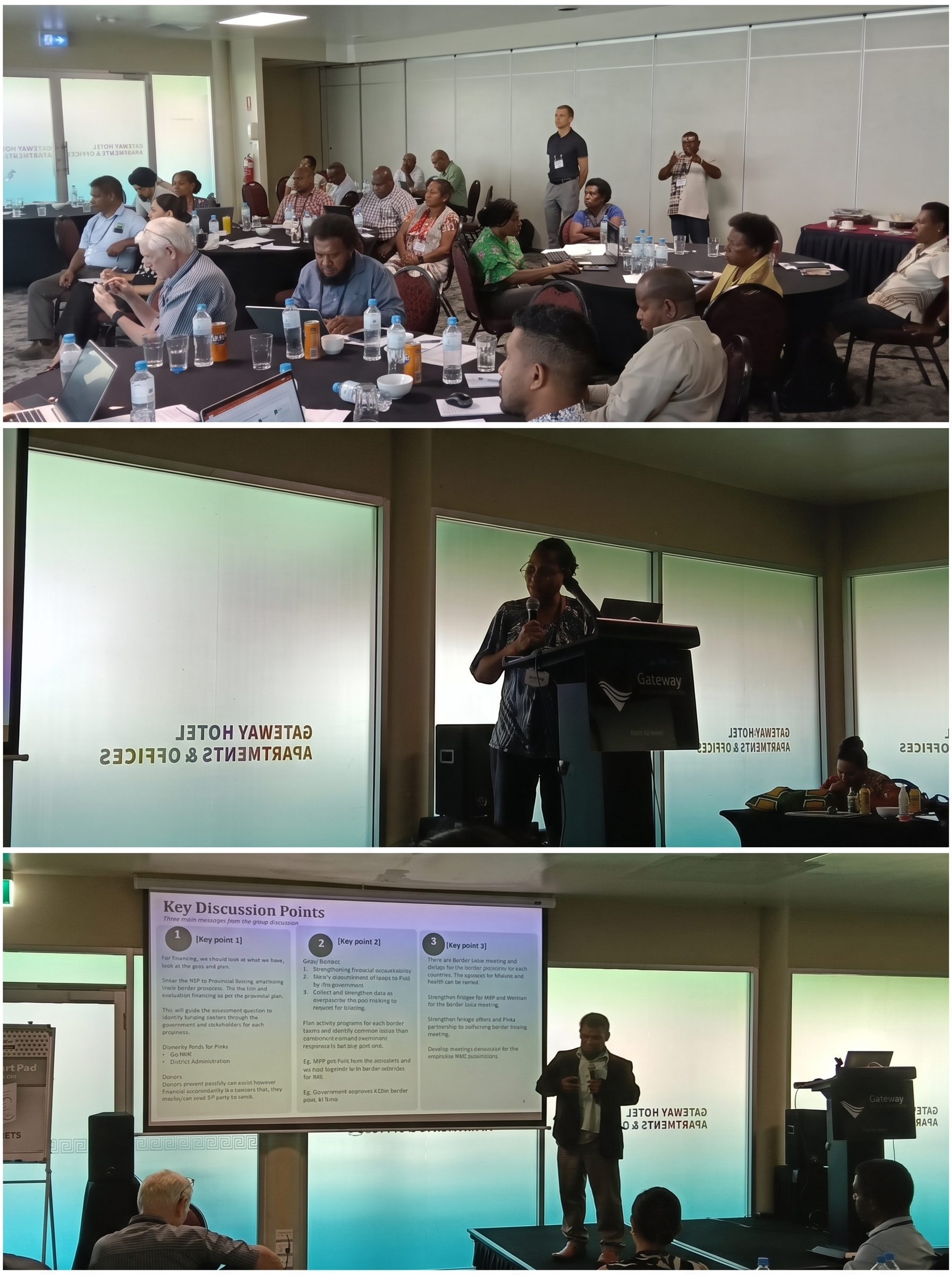
The morning session was closed by Iqbal Elyazar, ADB consultant, who outlined the flow of the rest of the workshop. Participants would discuss three priority areas in group discussions: information sharing and capacity building, new tools and innovative approaches, and financing and resource mobilisation.

The outcomes of all discussions will be formulated into recommendations on scope and interventions. These recommendations will serve as Indonesia's national position in bilateral discussions with PNG, as a concrete step towards a malaria-free Tanah Papua and island of New Guinea.
Tags:
Tags: