
Published on

About Us
Lorem ipsum dolor sit amet, consectetur elit, sed do eiusmod tempor incididunt ut labore et magna aliqua.
Get a free quote
Building the Foundation for Cooperation: Information Sharing and Capacity Building as the First Priority of Indonesia-PNG Collaboration
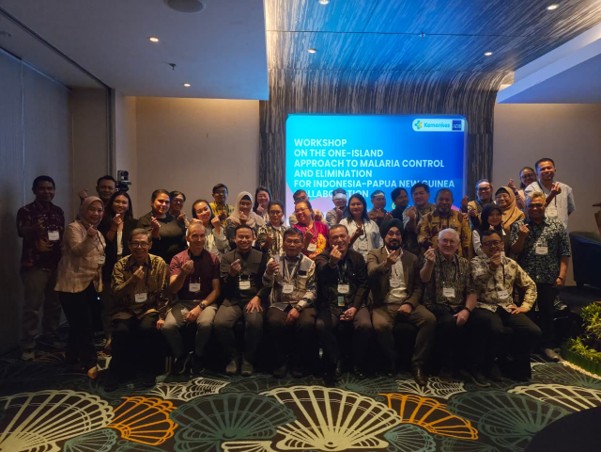
Bali, 6 October 2026. In the afternoon session of the first day, the One-Island Approach workshop turned to the first priority area of the Indonesia-PNG Joint Action Plan: Information Sharing and Capacity Building.
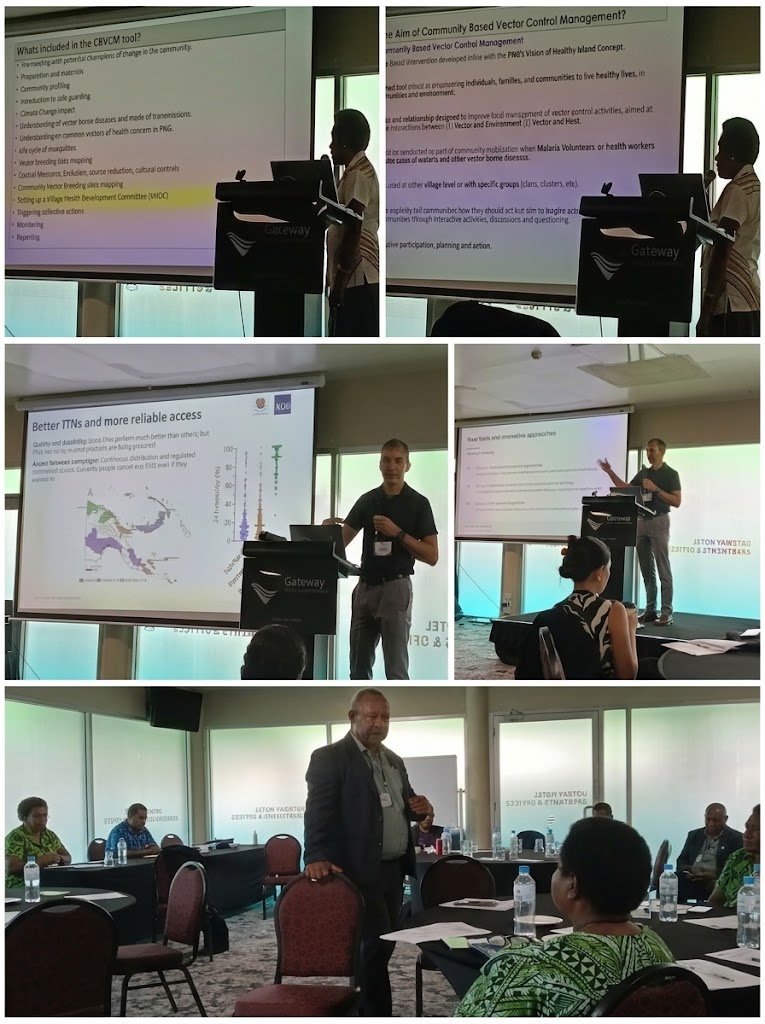
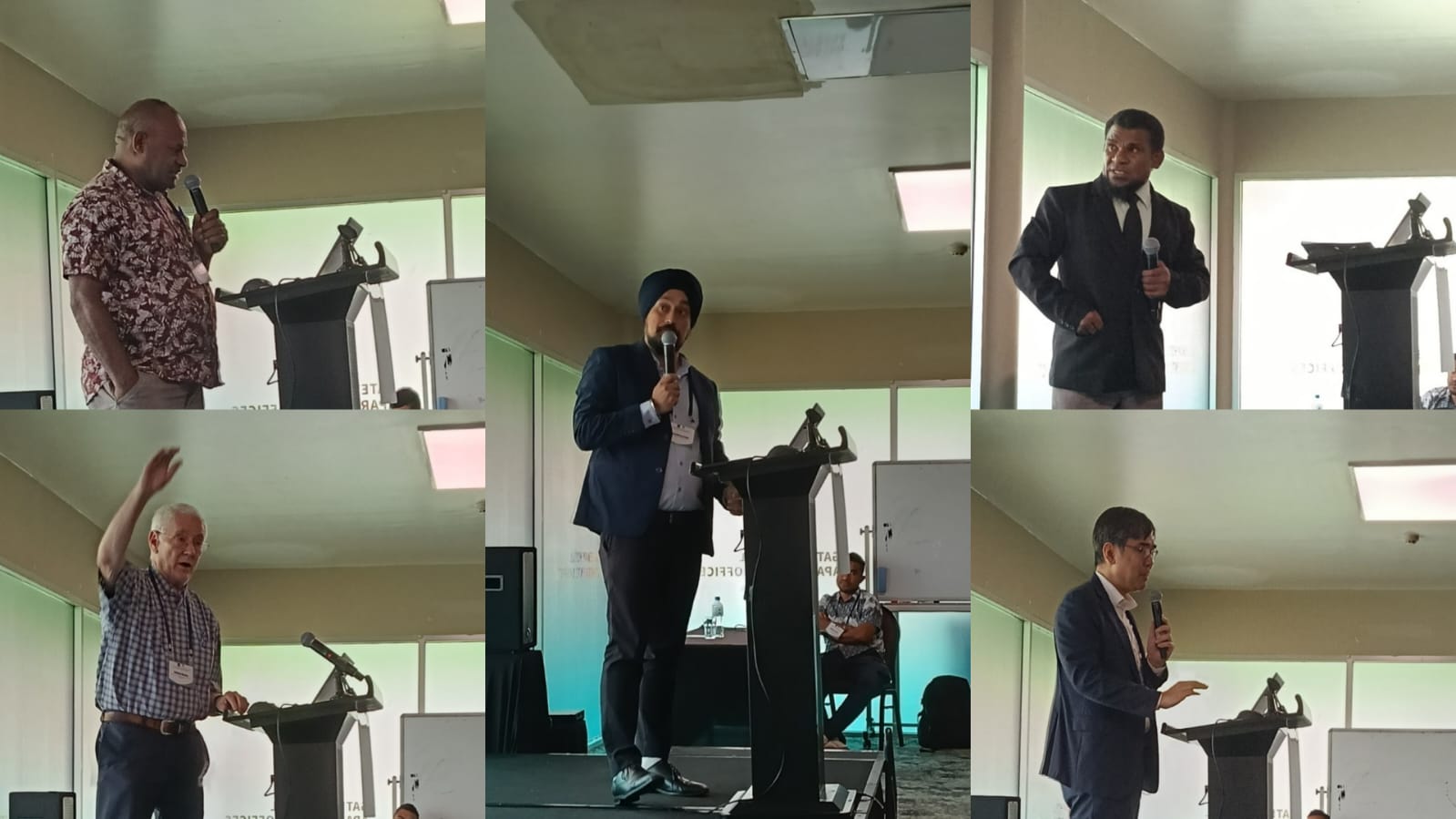
The panel session was moderated by Risalia Reni Arisanti of Universitas Gadjah Mada (UGM). Rahmad Isa of the Ministry of Health shared lessons learned from cross-country collaboration. Sri Budi Fajariyani presented potential data platforms and information sharing mechanisms. Ari Hermawan highlighted the importance of learning together and the role and engagement of community cadres.

Participants were then divided into three discussion groups facilitated by William Hawley, Iqbal Elyazar, and Stephan Karl. Each group addressed one topic: joint governance and coordination mechanisms, a regional data platform and information sharing, and joint capacity building and health workforce mobility.
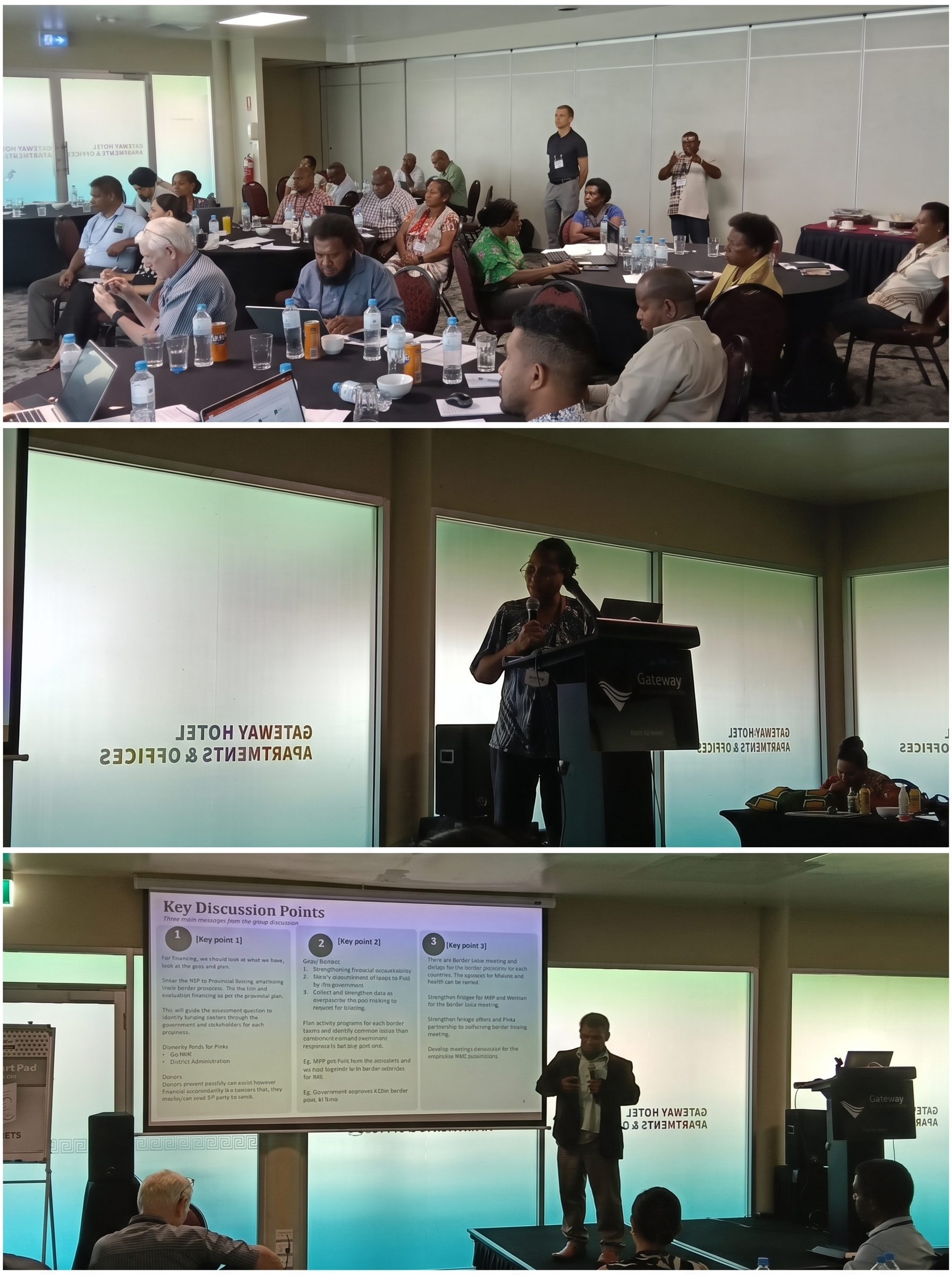
In the plenary session, the first group proposed establishing a multi-stakeholder Joint Steering Committee based on an MoU between the two countries. The committee would be supported by a secretariat in Jayapura City and working groups on surveillance, vectors, and diagnosis and case management. Border districts were proposed as the entry point for cooperation. Progress of the action plan would be tracked through semi-annual monitoring and evaluation and an annual joint review.
The second group emphasised sharing epidemiological data through a cross-country dashboard, strengthening the recording of patients from PNG in SISMAL, and the need for a data sharing agreement as a policy umbrella. SISMAL, which already captures data down to the village level, and the role of malaria cadres as data collectors were seen as important assets. The third group prioritised capacity building in vector control, microscopy diagnosis, and data analysis, including strengthening entomologists and microscopists at primary health centre level. This priority builds on the similar epidemiological, vector, and cultural characteristics of the two countries.

Participants also identified several challenges, including limited funding and human resources, bureaucratic barriers to data sharing, and security conditions in border areas.
The session closed with a wrap-up of Priority 1 by Iqbal Elyazar, ADB consultant. The proposed activities and timelines will be consolidated with the outcomes of Priority 2 and Priority 3. The consolidated results will inform Indonesia's position in bilateral discussions with PNG, laying the foundation for cooperation towards a malaria-free island of New Guinea.
Tags:
Tags: