
Published on

About Us
Lorem ipsum dolor sit amet, consectetur elit, sed do eiusmod tempor incididunt ut labore et magna aliqua.
Get a free quote
Strengthening Diagnostic Quality for a Malaria-Free Indonesia: SHIELD PAPUA’s Contribution to the National Malaria Microscopy Training Module
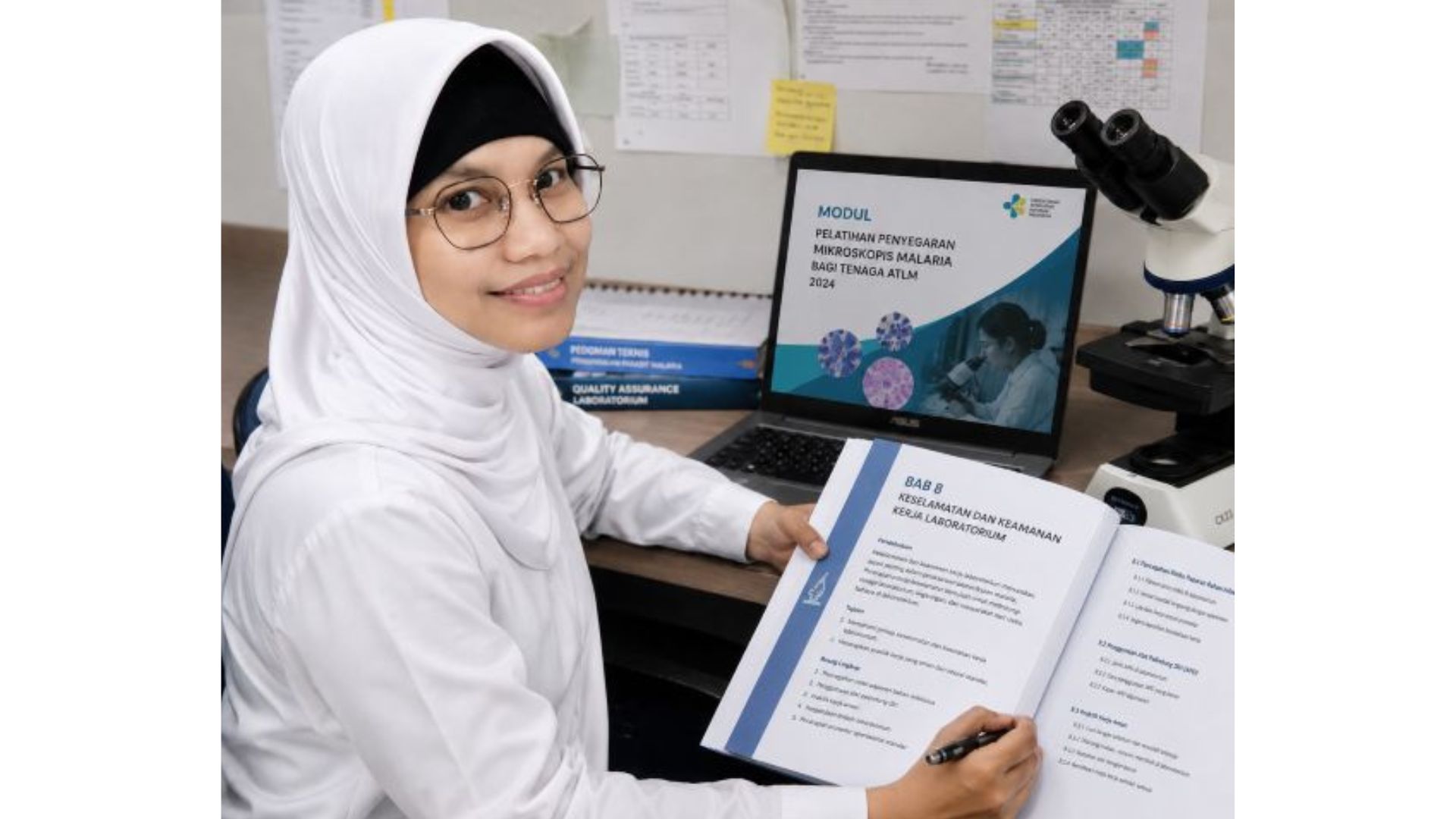
Dr Lenny L. Ekawati served as a member of the team responsible for developing the Malaria Microscopy Refresher Training Module for Medical Laboratory Technologists (ATLM), published by the Ministry of Health of the Republic of Indonesia in 2024. Her primary contribution focused on the development of Chapter 8, which covers Laboratory Safety and Security.
This chapter addresses key principles of laboratory safety and security, including the prevention of exposure to infectious materials, the appropriate use of personal protective equipment, safe laboratory practices, laboratory waste management, and the implementation of standard operating procedures. The content was designed to strengthen participants’ understanding that high-quality malaria diagnosis depends not only on microscopy skills but also on safe, well-organised, and standardised laboratory practices.
In addition to developing Chapter 8, she contributed to the review and development of several other chapters, including those covering the stages of malaria microscopy diagnosis and laboratory quality assurance systems. Her contributions included reviewing content related to internal and external quality assurance, supervision mechanisms, slide cross-checking, panel testing, documentation, and the implementation of standard operating procedures for malaria examination. She also helped refine the structure of the material, harmonise technical terminology, and improve readability to ensure that the module met the learning needs of Medical Laboratory Technologists working in a range of field settings.
Through these contributions, Dr Ekawati of SHIELD PAPUA supported the development of a training module that is scientifically robust, practical, and relevant to strengthening the capacity of laboratory personnel in Indonesia. This work aligns with broader efforts to improve the quality of malaria diagnosis and support the national malaria elimination agenda through the development of a competent and skilled health workforce.
Tags:

Tags: