
Published on

About Us
Lorem ipsum dolor sit amet, consectetur elit, sed do eiusmod tempor incididunt ut labore et magna aliqua.
Get a free quote
Digitalising Competence: Developing MOOC Curriculum for Malaria Diagnosis Among Medical Laboratory Technologists First Phase
The accuracy of laboratory diagnosis remains a fundamental pillar in Indonesia's malaria elimination strategy. To ensure every case is correctly detected, Medical Laboratory Technologists (ATLM) must possess high-level competence in malaria microscopy. In this digital era, the use of Massive Open Online Courses (MOOC) presents a strategic solution to expand access to quality training for health workers across the archipelago, overcoming the barriers of time and distance.
The development of this digital learning platform aims not only to disseminate knowledge but also to standardise technical skills in the preparation, staining, and reading of malaria blood films nationwide. With a structured and digital-based curriculum, the strengthening of microscopic capacity can be conducted more extensively and sustainably to support the Malaria-Free Indonesia 2030 target.
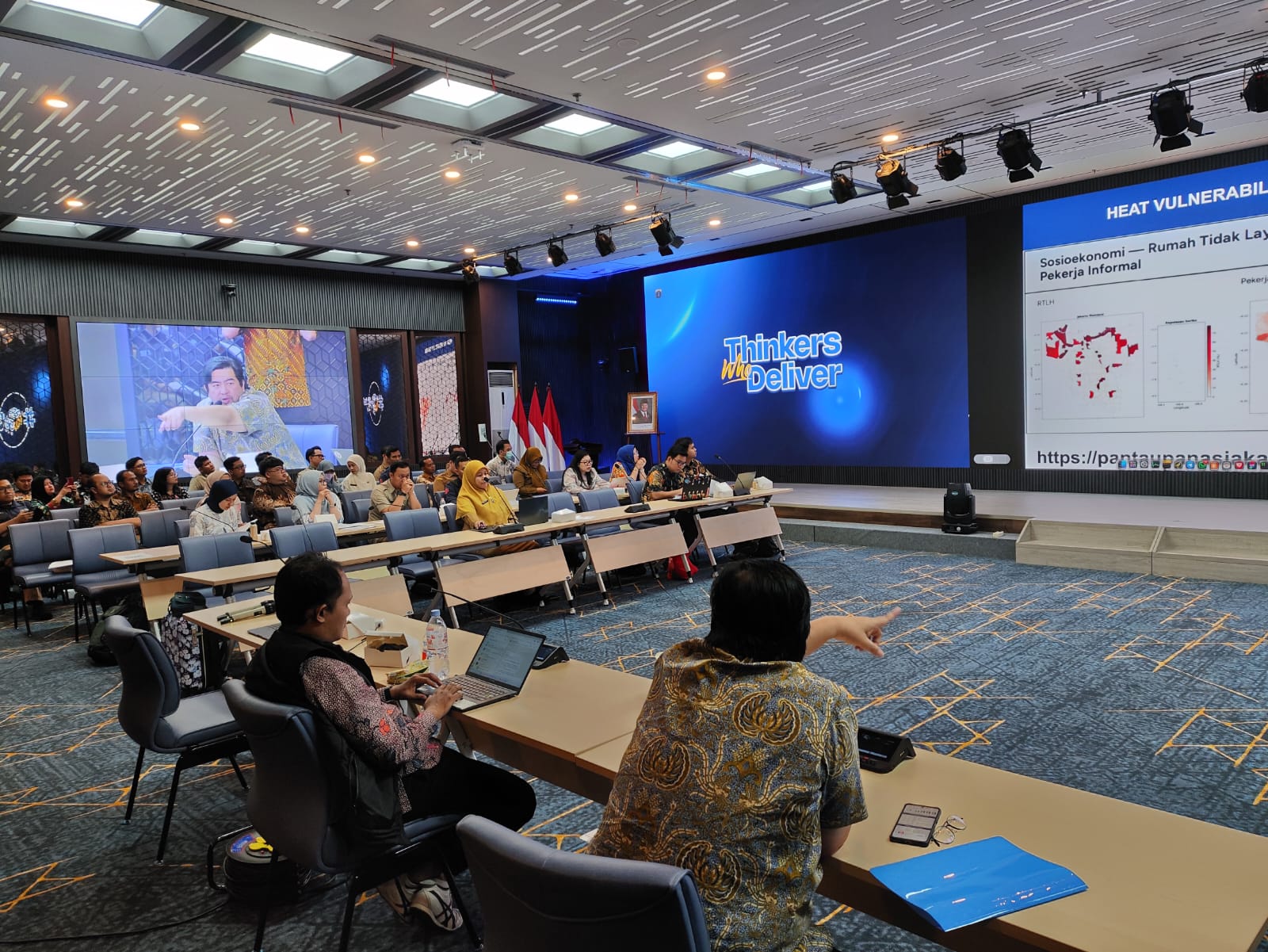
As an initial step in this development, the Ministry of Health of the Republic of Indonesia, in collaboration with the United Nations Development Programme (UNDP), organised the "FGD for the Development of the Basic Microscopy MOOC Curriculum for Malaria Diagnosis for ATLM – Phase 1". The event took place from Monday, 30 March to Wednesday, 1 April 2026, at the DPP PATELKI Office, East Jakarta. The meeting brought together parasitology experts, health educators, and professional organisations. During the sessions, Dr. Lenny L. Ekawati attended as a microscopy expert to provide technical input in the development of these training modules.
The first phase of the FGD focused on key agendas, including designing a curriculum structure aligned with national modules, formulating core materials, and integrating the Digital Malaria Blood Slide Atlas as a visual aid. The active participation of various technical units and experts such as Dr. Lenny L. Ekawati ensures that the curriculum remains compliant with rigorous laboratory quality standards despite being delivered via a digital platform.
Through the development of this MOOC, it is expected that geographical barriers in microscopy training will be addressed. With competent and standardised laboratory personnel across all health facilities, Indonesia's malaria surveillance system will be significantly strengthened, ensuring every parasite found is accurately identified for appropriate treatment.
Tags:
Tags: