
Published on

About Us
Lorem ipsum dolor sit amet, consectetur elit, sed do eiusmod tempor incididunt ut labore et magna aliqua.
Get a free quote
Strengthening Malaria Surveillance through SISMAL OJT and a Focus on Population Mobility
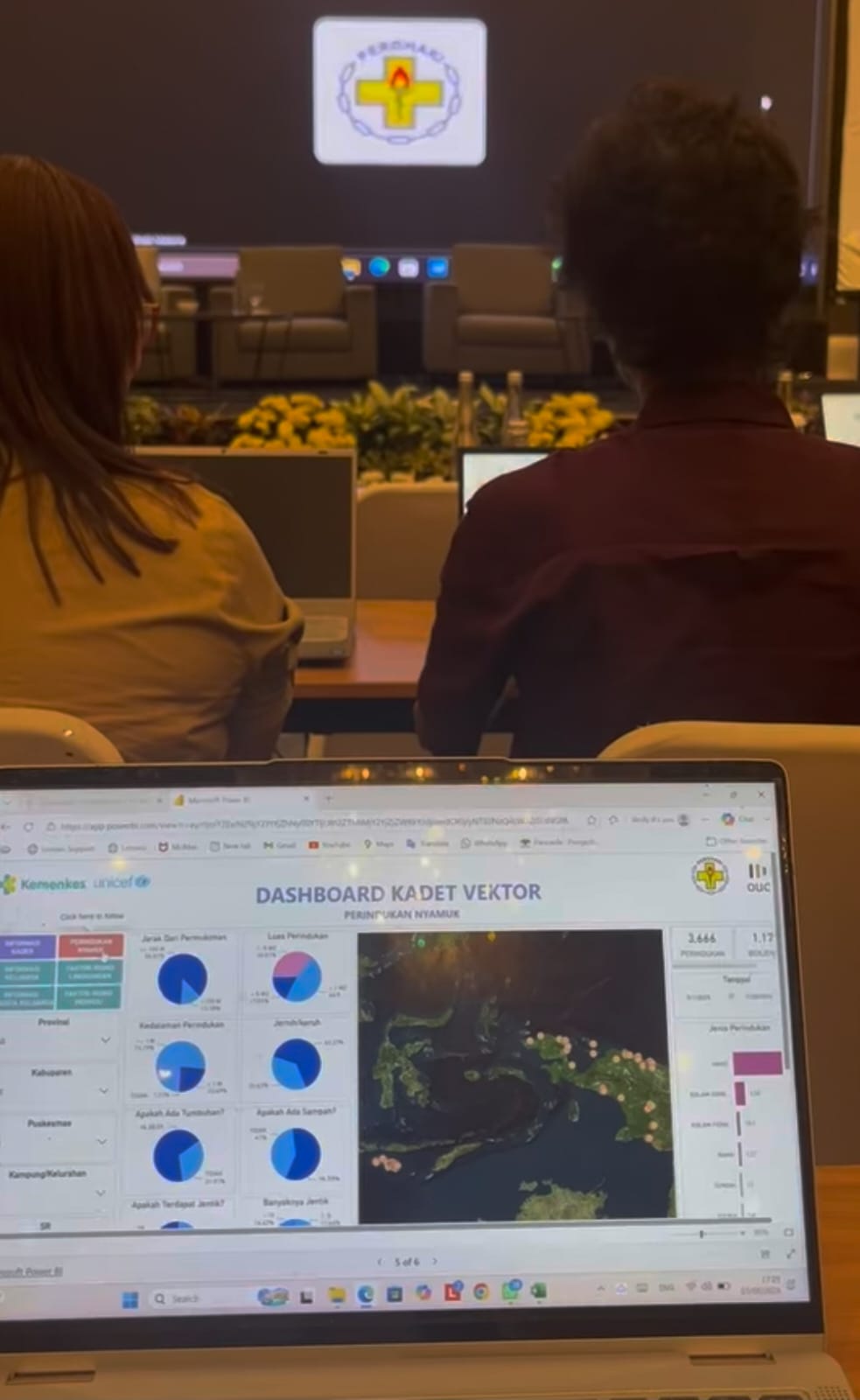
In an effort to strengthen the national malaria surveillance system, the Ministry of Health organised an On-the-Job Training (OJT) on the Malaria Surveillance Information System (SISMAL) version 3, alongside malaria migration surveillance for Port Health Offices (Balai Karantina Kesehatan, BKK). The activity took place from 2–5 December 2024 in Batam, Riau Islands, as part of broader efforts to enhance the quality of malaria programme recording and reporting across Indonesia.
Amid significant progress in malaria control—reflected in the growing number of areas achieving elimination status, improved completeness of SISMAL reporting, and declining Annual Parasite Incidence (API)—strengthening data systems has become increasingly critical. SISMAL has been developed as an electronic platform to ensure that malaria data, from service delivery points to the national level, are recorded accurately, in real time, and in an integrated manner.
The OJT featured key resource persons from various institutions. Among them was malaria expert Dr Iqbal Elyazar, who delivered a session on “Population Mobility and Its Implications for Malaria Surveillance.” This topic is particularly relevant in the context of malaria elimination, as population movement—both within and across national borders—can influence transmission dynamics and pose challenges for case detection and response.
Additional sessions covered best practices in malaria migration surveillance in border areas, implementation challenges within Port Health Offices, and lessons learned from both high-endemic settings and areas that have successfully achieved elimination. This comprehensive approach provided participants with a balanced perspective combining policy, field implementation, and system innovation.
Through this activity, it is expected that the capacity of surveillance personnel will be further strengthened, particularly in addressing the complexities associated with population mobility. With more robust information systems and a deeper understanding of migration dynamics, Indonesia is better positioned to accelerate malaria elimination in an effective and sustainable manner.
Tags:
Tags: