
Published On

About Us
Lorem ipsum dolor sit amet, consectetur elit, sed do eiusmod tempor incididunt ut labore et magna aliqua.
Get a free quote
Community Voices: Redefining Funding Priorities for Inclusive Malaria Elimination in Indonesia
Written by: Lenny L. Ekawati
Indonesia's journey toward malaria elimination has achieved significant milestones, yet the remaining challenges lie in the most difficult-to-reach areas—both geographically and socially. As the country navigates the funding transition from international donors like the Global Fund toward domestic self-reliance, a crucial question arises: how do we ensure that malaria interventions remain relevant and touch the real needs of those most affected? Through initiatives to map community aspirations, we have learned that malaria elimination is not merely a technical medical issue but a humanitarian effort that must place people at the heart of the strategy.
Grassroots Priorities: Moving Beyond Epidemiological Data
The analysis of surveys conducted among civil society organisations and communities in high-endemic areas reveals that prevention and vector control strategies remain the primary foundation. However, communities emphasize the need for more adaptive innovations, such as the provision of more durable bed nets, the use of repellents for high-mobility forest populations, and environmental interventions that incorporate local wisdom. Communities no longer wish to be passive observers; they demand more meaningful involvement in planning and executing programmes at the village level through inclusive, participatory models.
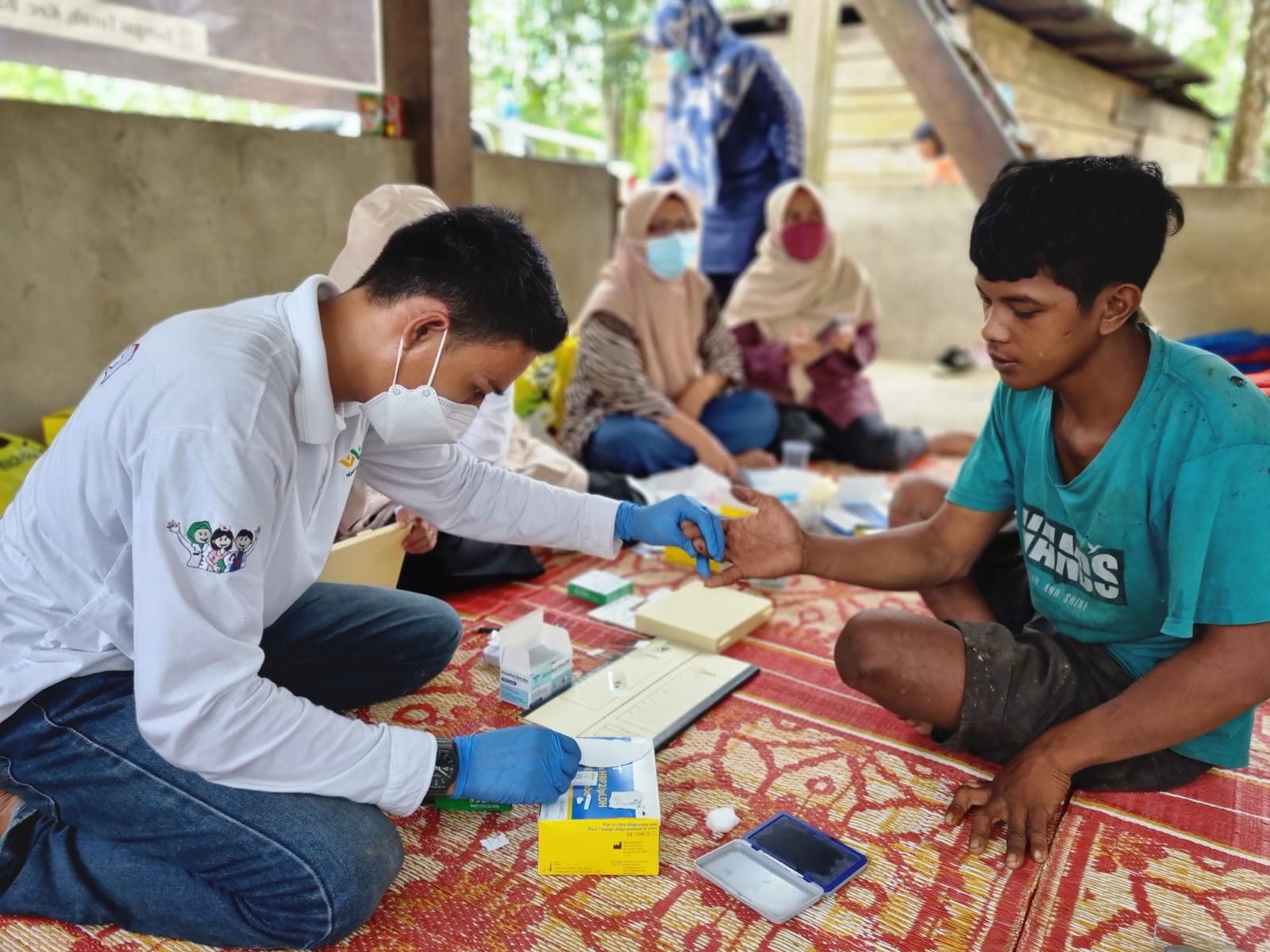
One of the greatest challenges identified is access to quality diagnosis and treatment. Communities highlight the importance of safeguarding the malaria logistics supply chain—such as RDTs and medications—to prevent stockouts at primary health centres and village health posts. Furthermore, enhancing the capacity of village health workers (cadres) is vital. Cadres are not just extensions of health centres for blood sampling; they are bridges of trust who ensure patients complete their treatment and assist in case tracking in remote areas.
Service Integration and Equity for Vulnerable Groups
Towards a sustainable future, health service integration has become a necessity. Communities advocate for malaria services not to operate in silos but to be integrated with other health programmes such as HIV and Tuberculosis, as well as maternal and child health services. This integrative approach not only improves cost efficiency but also makes it easier for the public to receive comprehensive healthcare through a "one-stop" system.
Furthermore, aspects of Gender, Disability, and Social Inclusion (GEDSI) must be at the core of every funding policy. Future funding must be capable of breaking down barriers for the most vulnerable groups, including Indigenous peoples, persons with disabilities, and migrant populations who are often overlooked by formal health systems. By ensuring that every individual, regardless of their social background or physical condition, has equal access to malaria protection, we are building the foundation for a truly sustainable elimination.
Ensuring Sustainability During the Transition
The transition to domestic funding must be managed carefully to avoid a decline in service quality in high-burden regions. Communities expect a clear roadmap for local budget allocation that prioritizes basic needs on the ground. By strengthening digital-based logistics monitoring systems and ensuring civil society involvement in budget oversight, Indonesia can ensure that the 2030 elimination target is not just a number on paper but a lived reality for all citizens in the most remote corners of the country.
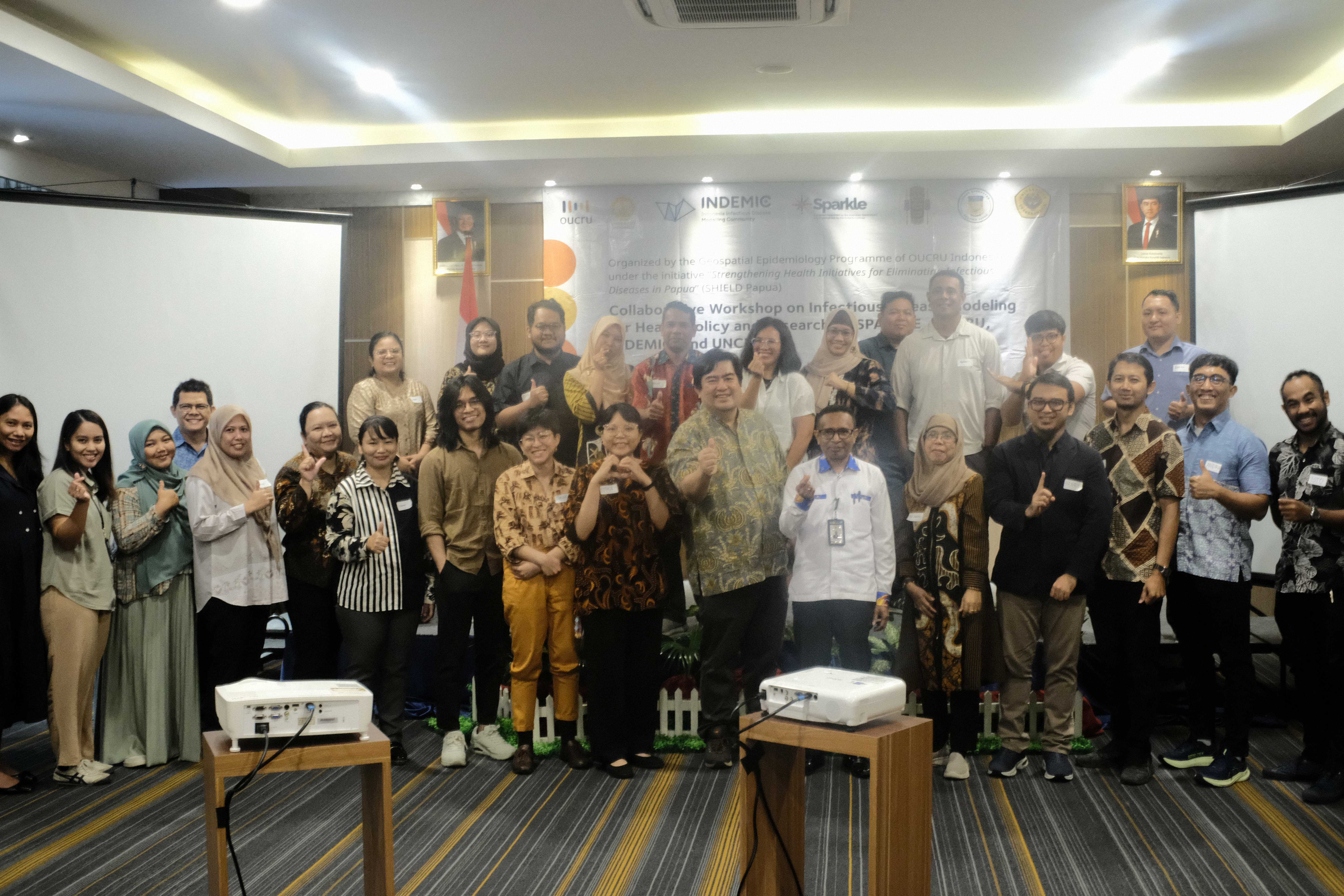
Note: This material consists of the presentation content and analysis report for the Meeting on Annex Funding Priorities of Communities and Civil Society Most Affected by Malaria, held as a hybrid event in Jakarta on 7 May 2026.
Download the full materials (English):
Tags:

Tags: