
Published On

About Us
Lorem ipsum dolor sit amet, consectetur elit, sed do eiusmod tempor incididunt ut labore et magna aliqua.
Get a free quote
Toward a Malaria-Free Indonesia 2030: The Launch of the National Action Plan of Malaria Elimination (RANEM) 2026–2029
The Ministry of Health of the Republic of Indonesia has officially published the National Action Plan of Malaria Elimination (RANEM) 2026–2029. This strategic framework serves as both a policy directive and an updated national operational guide to accelerate the country's progress toward achieving a malaria-free status by 2030, reinforcing global commitments under the Sustainable Development Goals (SDGs) and the Golden Indonesia Vision 2045.
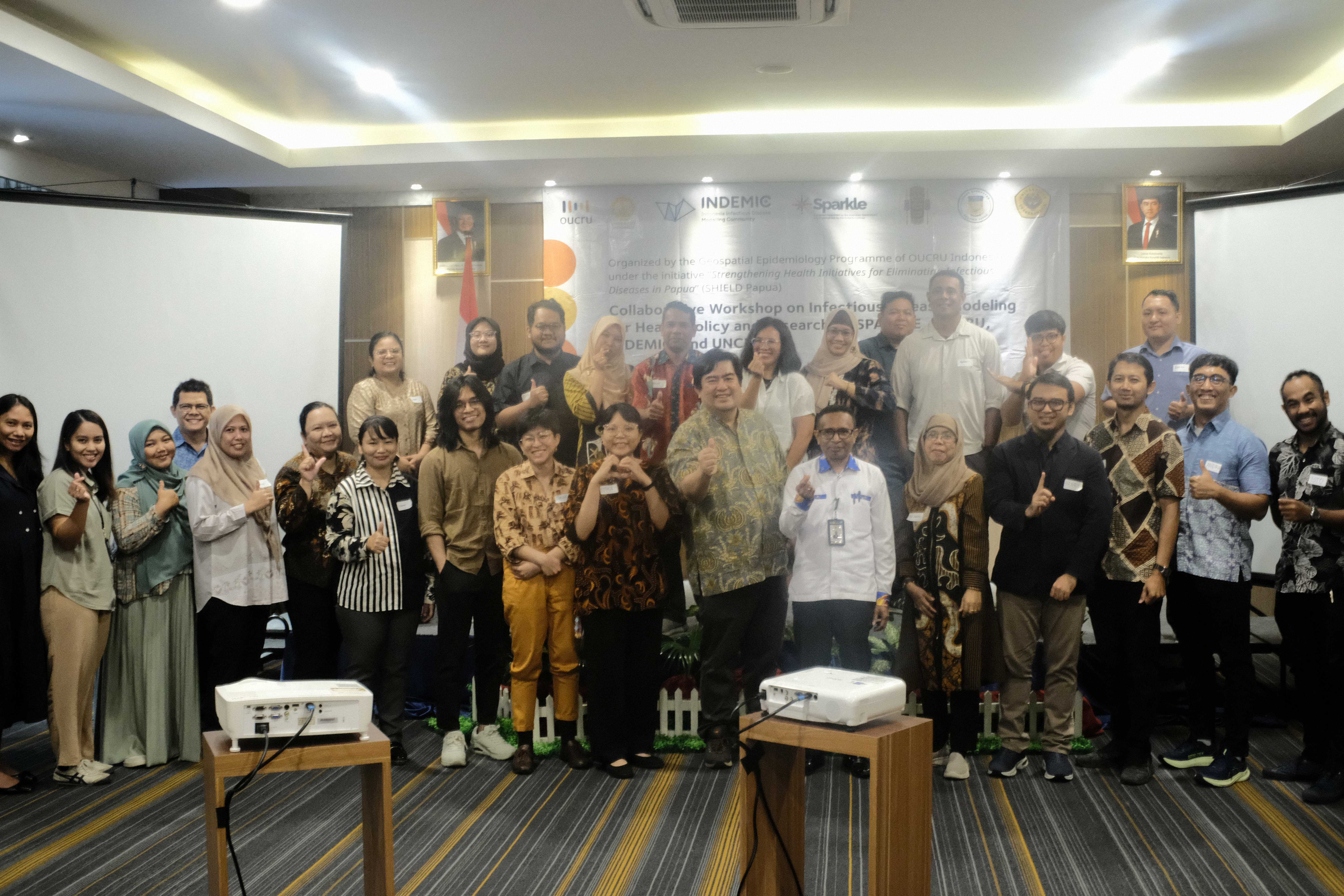
The drafting of the 2026–2029 RANEM involved extensive cross-sectoral collaborations, incorporating active technical contributions from epidemiologists and researchers at the Oxford University Clinical Research Unit Indonesia (OUCRU ID), including Dr. Iqbal Elyazar and Dr. Lenny Ekawati. Their direct involvement reflects the commitment of SHIELD Papua and its institutional partners to embedding robust, evidence-based scientific insights into national public health policies.
Epidemiological Landscape and Critical Challenges
The report highlights a complex contemporary situation: reported national malaria cases have nearly tripled over the past five years, rising from 254,055 cases in 2020 to 706,297 cases in 2025. Conversely, case detection has significantly improved, and subnational progress remains strong, with 412 out of 514 districts/cities (80%) officially certified as malaria-free by 2025. However, a stark geographic disparity persists, as the Tanah Papua region accounts for 95% of all national malaria cases despite representing only 2% of Indonesia's total population. Consequently, the ultimate success of Indonesia's elimination goals hinges upon tailored, aggressive interventions within Papua's six provinces.
Core Framework and Mixed Implementation Strategies
To ensure that 500 districts/cities are cleared of local transmission lines by 2029, the action plan implements 4 main and 4 supporting strategies:
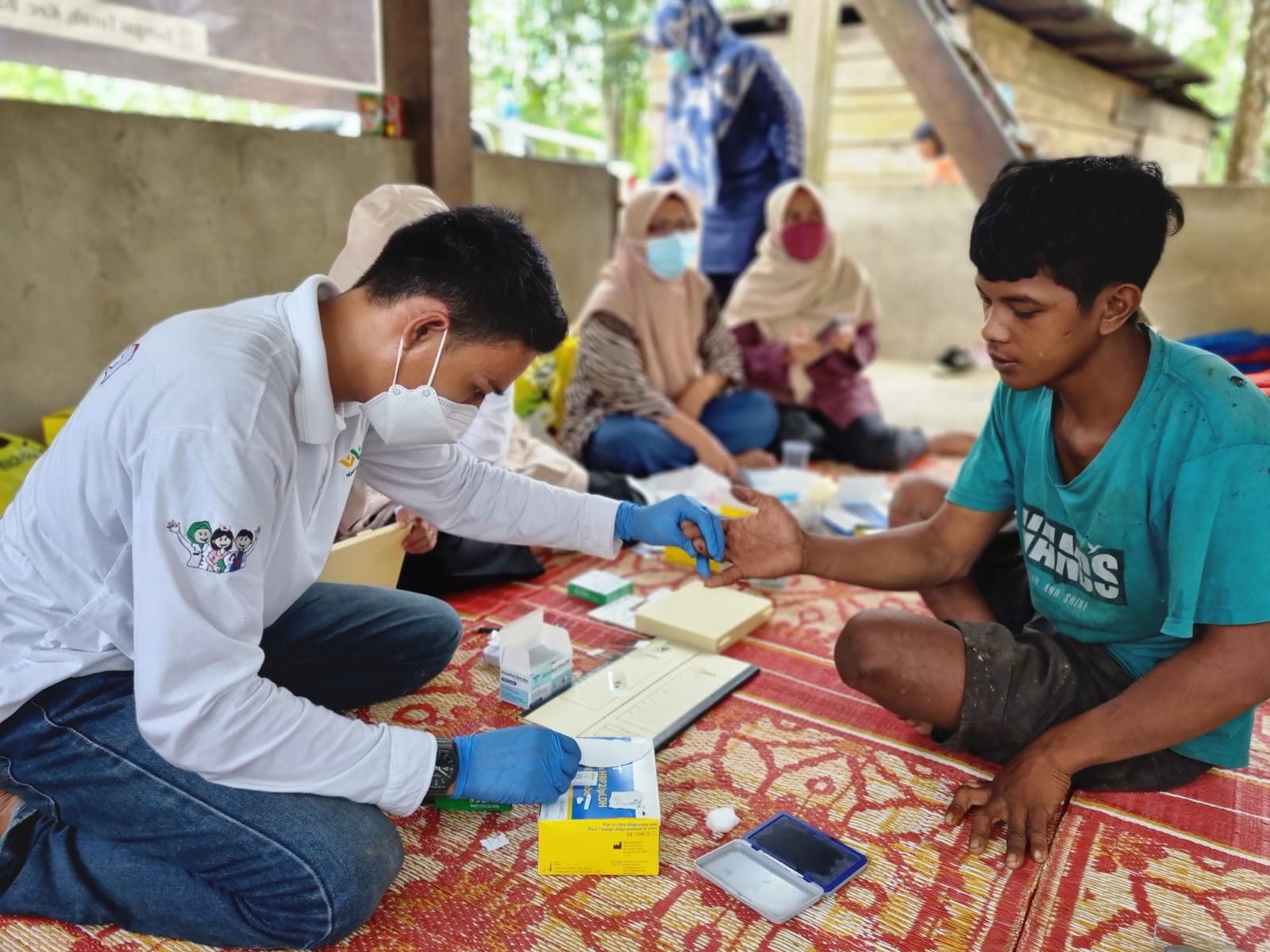
- Case Finding: Enhancing access to standard parasitological diagnosis (microscopy/RDT) and integrating screening pipelines into the Integrated Primary Care (ILP) framework.
- Case Management: Ensuring full adherence to standard ACT treatment regimens and aligning malaria screening with routine Antenatal Care (ANC) for maternal-child clusters.
- Prevention and Risk Factor Control: Universal coverage of Long-Lasting Insecticide-treated Nets (LLINs), selective Indoor Residual Spraying (IRS), and targeted intervention packages for Mobile Migrant Populations (MMP).
- Surveillance and Response: Deploying the intensive TOKEN (Find, Treat, Control) approach in Papua's priority clusters, strengthening the 1-2-5 early warning system for outbreaks, and scaling up zoonotic Plasmodium knowlesi surveillance.
Funding Support, Transition, and Regional Governance
Financially, the implementation of core technical strategies commands 93% of the projected budget, with 75% of total resources prioritized for the high-burden Papua region. To bridge a projected 58% funding gap, the action plan outlines a rigorous financing transition roadmap designed to reduce reliance on external grants. This structural shift mobilizes domestic funds through Special Allocation Funds (DAK), Special Autonomy allocations, Village Budgets, social contracting with local NGOs, and mandatory 10% private sector CSR positioning in endemic pockets.
The complete, open-access national action plan document—including detailed indicator matrices, operational activities, and future research recommendations—is available for public download below.
Tags:

Tags: