
Published On

About Us
Lorem ipsum dolor sit amet, consectetur elit, sed do eiusmod tempor incididunt ut labore et magna aliqua.
Get a free quote
First Phase Assessment: System and Resource Readiness for Implementing the PERKASA Cadre Programme in Jayapura, Nabire, and Merauke
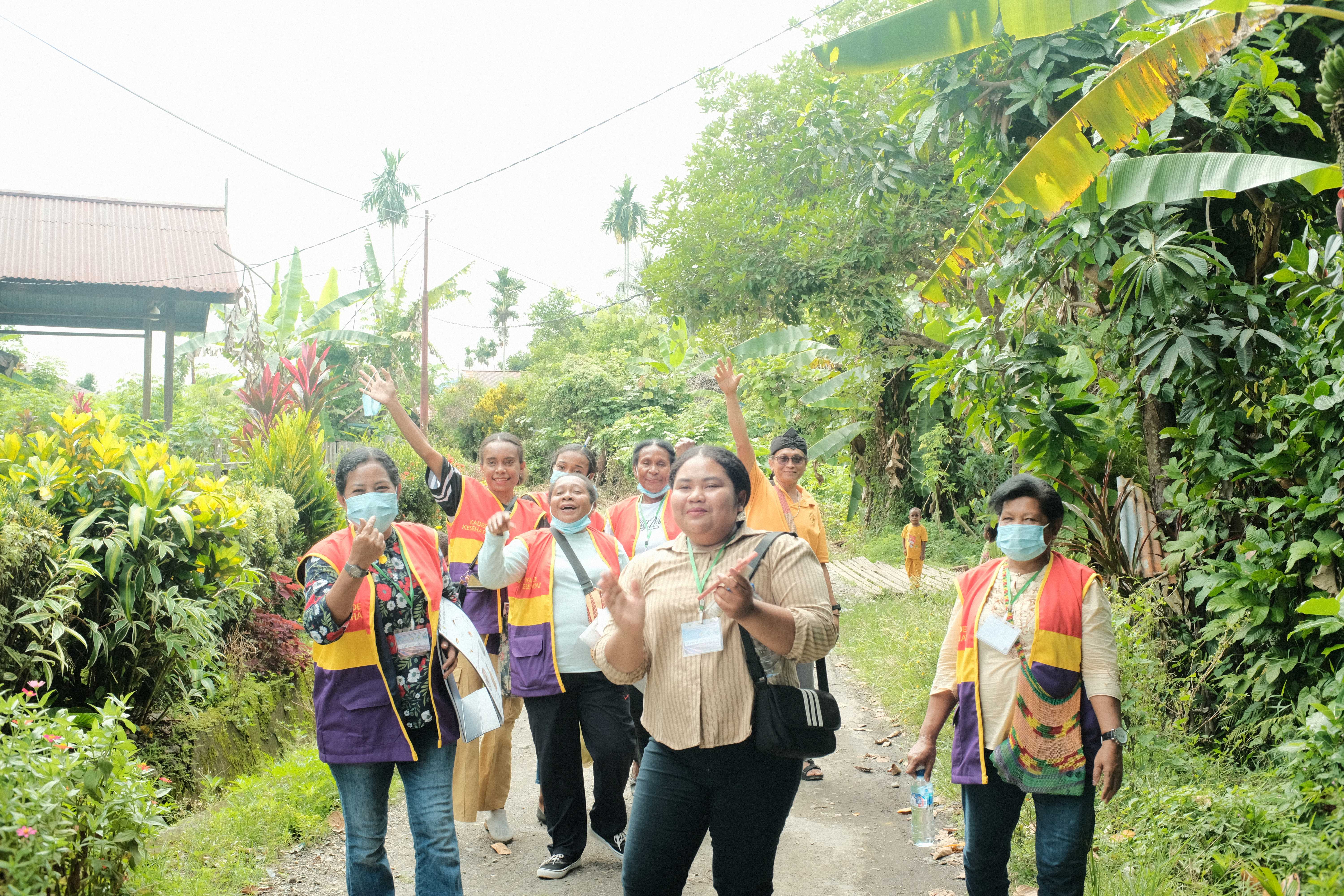
Health service integration is an important strategy for strengthening the health system in Papua, particularly in responding to the combined burden of malaria, HIV, and tuberculosis (TB). For this major initiative to be implemented effectively, a comprehensive assessment of infrastructure, human resources, and local government commitment is needed before the programme begins. A clear understanding of each district’s level of readiness will help shape a more targeted, realistic, and context-sensitive approach to developing integrated services in areas with complex geographical and social challenges.
The PERKASA Cadre Program (PERkuat KAder SAtu), initiated by the Persatuan Karya Dharma Kesehatan Indonesia (PERDHAKI), forms part of wider efforts to strengthen the integration of community-based health services. The programme aims to enhance the role of community health workers by integrating malaria, HIV, and TB-related activities into a single cadre model. Through this approach, cadres are expected to provide health education, support early detection, encourage referrals, and connect communities with health services that are closer, more responsive, and better aligned with local needs.
Through an assessment of system readiness at District Health Offices and primary health centres (Puskesmas), PERDHAKI and its partners can identify potential barriers at an early stage, including budget allocation, medicine and logistics supply chains, supervision systems, and cross-sectoral coordination. This initial analysis is important to ensure that service integration does not remain merely a concept, but can be implemented sustainably within the local health system.
OUCRU Indonesia, in collaboration with PERDHAKI, has completed the first phase of the PERKASA Cadre Programme evaluation, which focused on “System and Resource Readiness” in three priority districts: Jayapura, Nabire, and Merauke. This baseline analysis provides an important foundation for implementing the Kader PERKASA initiative, which aims to empower local health workers to support prevention, early detection, referral, and health education for several infectious diseases in an integrated way.
The readiness study highlights several key findings:
- Institutional Commitment: Strong support from the District Health Offices (DHO) in all three regencies, with a shared vision of integrating Malaria, HIV, and TB services to improve efficiency.
- Human Resource Mapping: The evaluation also map existing community health worker networks and identify training needs that should be strengthened so cadres are better prepared to take on additional tasks
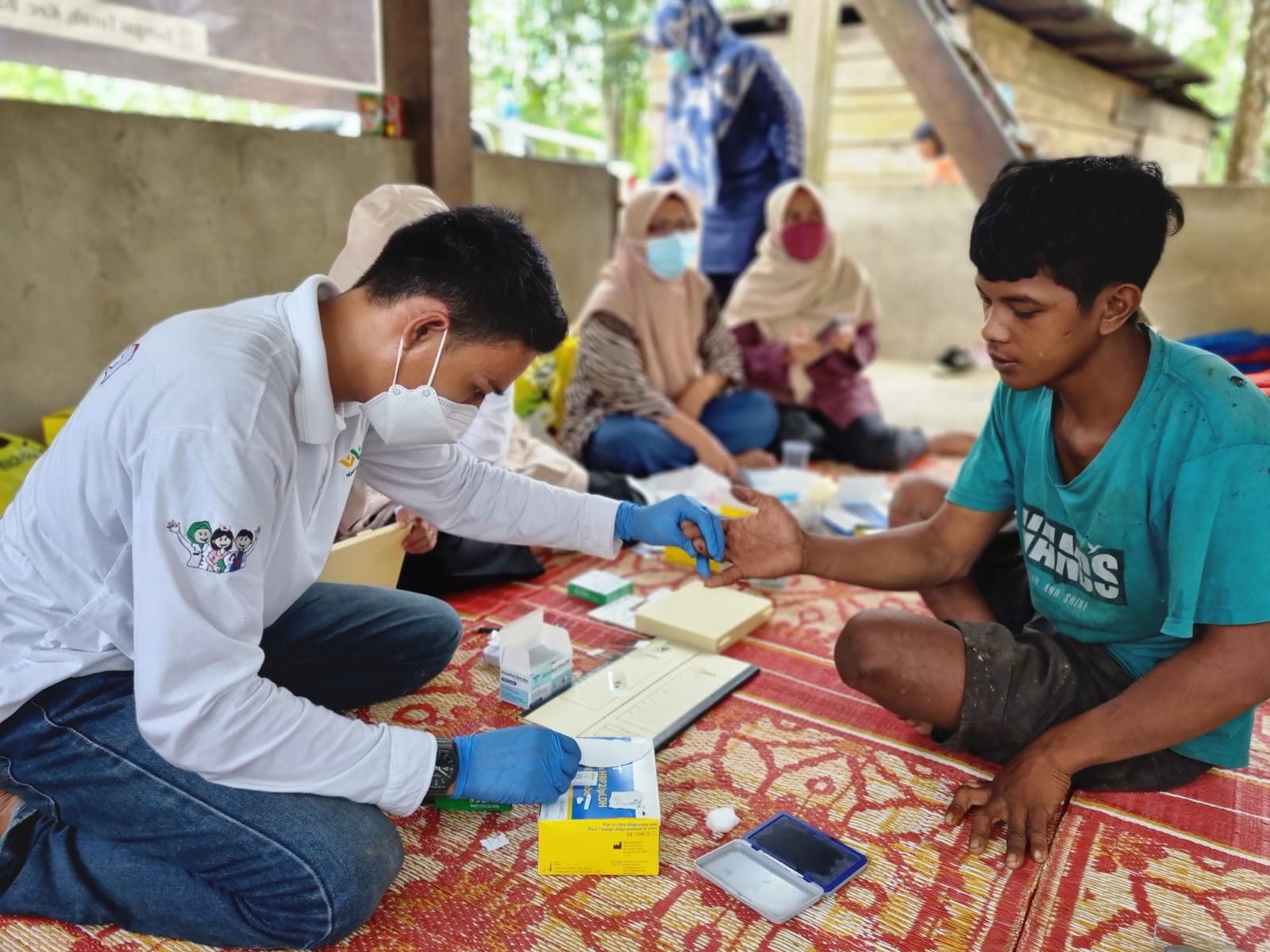
- Logistical Readiness: The assessment also examine the readiness of Puskesmas to support cadre activities, including supervision, the provision of diagnostic tools, medicines, reporting forms, and other field needs.
- Cross-Programme Coordination: A more formal mechanism is needed to align reporting, referral, and monitoring systems across malaria, HIV, and TB programmes.
- Sustainability Prospects: Initial discussions indicate the need for long-term support from PERDHAKI, local governments, and partners so that the Kader PERKASA model can be integrated into health financing mechanisms at district and village levels.
The findings from this first-phase evaluation provide the basis for the next stages of training and implementation. By addressing the identified gaps in resource readiness, the Kader PERKASA Programme will be better placed to deliver integrated, community-based health services that are resilient, locally accepted, and aligned with the needs of communities in Papua.
Moving forward, the assessment findings will be used to develop training modules, supervision mechanisms, and monitoring tools that are better suited to field conditions. In this way, Kader PERKASA will not only be trained, but also supported by a system that is institutionally, logistically, and socially ready to deliver integrated health services.
This report has been prepared as internal document to monitor the progress of the Kader PERKASA Programme and support programme accountability. Access to the full document is restricted to relevant programme partners and donors only.
Tags:

Tags: