
Dipublikasi

About Us
Lorem ipsum dolor sit amet, consectetur elit, sed do eiusmod tempor incididunt ut labore et magna aliqua.
Get a free quote
SECOND PHASE ASSESSMENT: COMMUNITY ACCEPTANCE, PERFORMANCE, CHALLENGES AND SUSTAINABILITY STRATEGIES OF THE PERKASA CADRE PROGRAMME
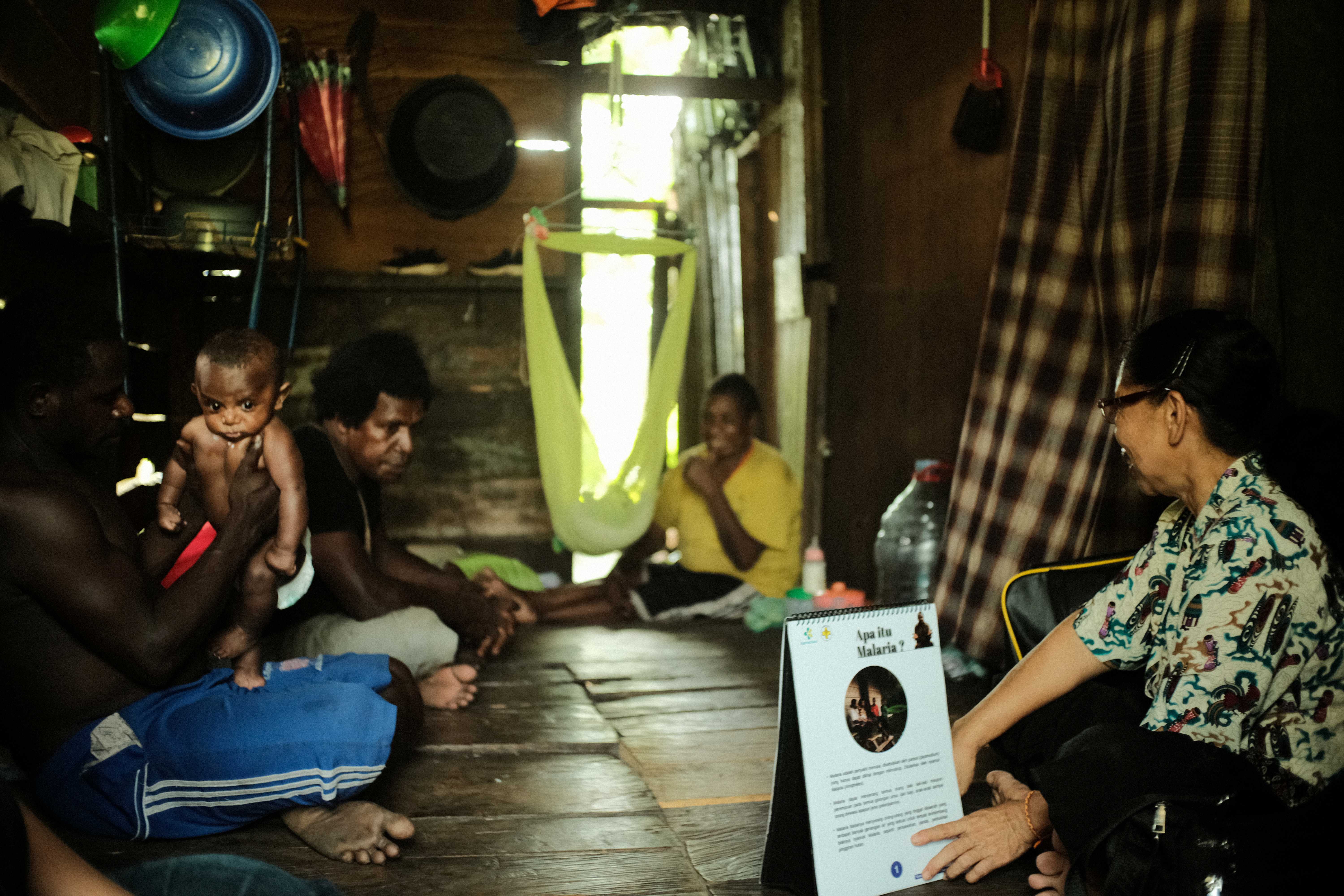
The success of integrated health interventions depends not only on clinical preparedness but also on how well the programme is embraced by the local community. Following the initial system readiness assessment, it is crucial to evaluate how Community Health Workers (CHWs) perform their duties in the field and whether their expanded roles in managing Malaria, HIV, and TB are locally accepted. This second phase of evaluation provides a vital "reality check" to ensure that the integrated model is both practical and sustainable within the unique social fabric of Papua.
By measuring field performance and community perception, the programme can identify real-world challenges—such as social stigma, referral bottlenecks, and the logistical needs of workers on the ground. This evidence-based approach allows for the refinement of sustainability strategies, ensuring that the integration of services continues to provide long-term benefits for public health.
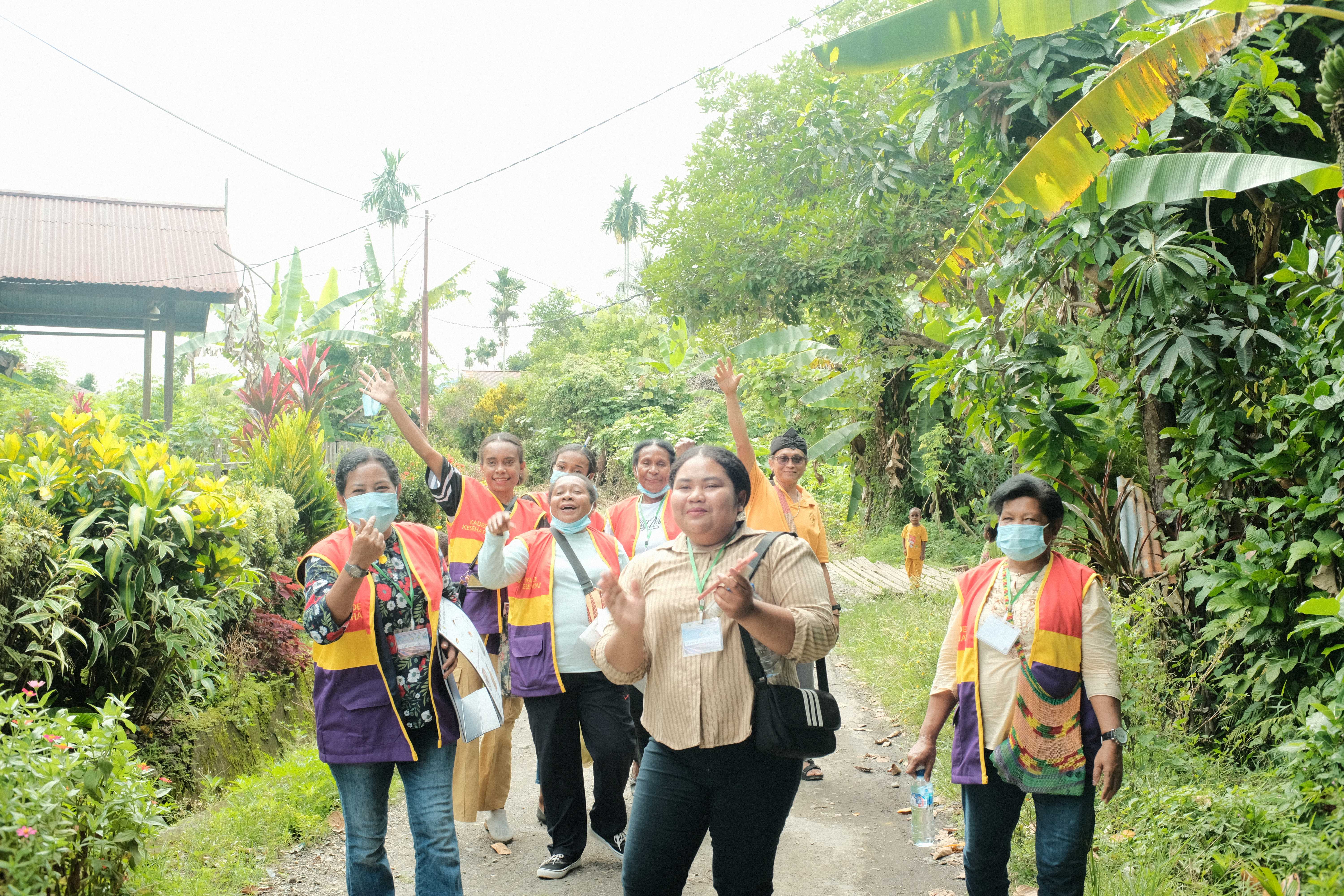
OUCRU Indonesia has concluded the second phase of the PERKASA programme assessment in Merauke, Nabire, and Jayapura. This study focuses on the field implementation phase, specifically examining "Community Acceptance, Performance, Challenges, and Sustainability Strategies." It captures the experiences of Kader PERKASA as they transition from training to active community service.
Key highlights from the second phase report include:
- High Community Legitimacy: Evidence shows that CHWs are well-accepted and trusted by the community, serving as a vital bridge between remote households and formal health facilities.
- Post-Training Performance: An assessment of how effectively CHWs conduct health education, identify suspected cases, and complete the necessary referral forms for Malaria, HIV, and TB.
- Referral System Efficiency: Evaluation of the support provided by Puskesmas in receiving referred patients and the role of CHWs in accompanying patients to ensure they receive care.
- Addressing Social Stigma: The role of CHWs in delivering anti-stigma messages, particularly concerning TB and HIV, to encourage community members to seek testing and treatment.
- Sustainability and Local Ownership: Identification of strategies to maintain CHW motivation and the potential for village-level funding (Dana Desa) to support the continuity of the programme.
The findings from this evaluation underscore that while the integrated CHW model is highly effective in increasing case detection, ongoing supervision and logistical support remain essential. This study provides the strategic recommendations needed to transition the PERKASA model from a pilot project into a lasting component of the Papuan health system.
Tags:

Tags: