
Published On

About Us
Lorem ipsum dolor sit amet, consectetur elit, sed do eiusmod tempor incididunt ut labore et magna aliqua.
Get a free quote
Understanding Barriers and Inequities in Malaria Services for Indigenous Papuans: A Formative Assessment Using the WHO Matchbox Tool
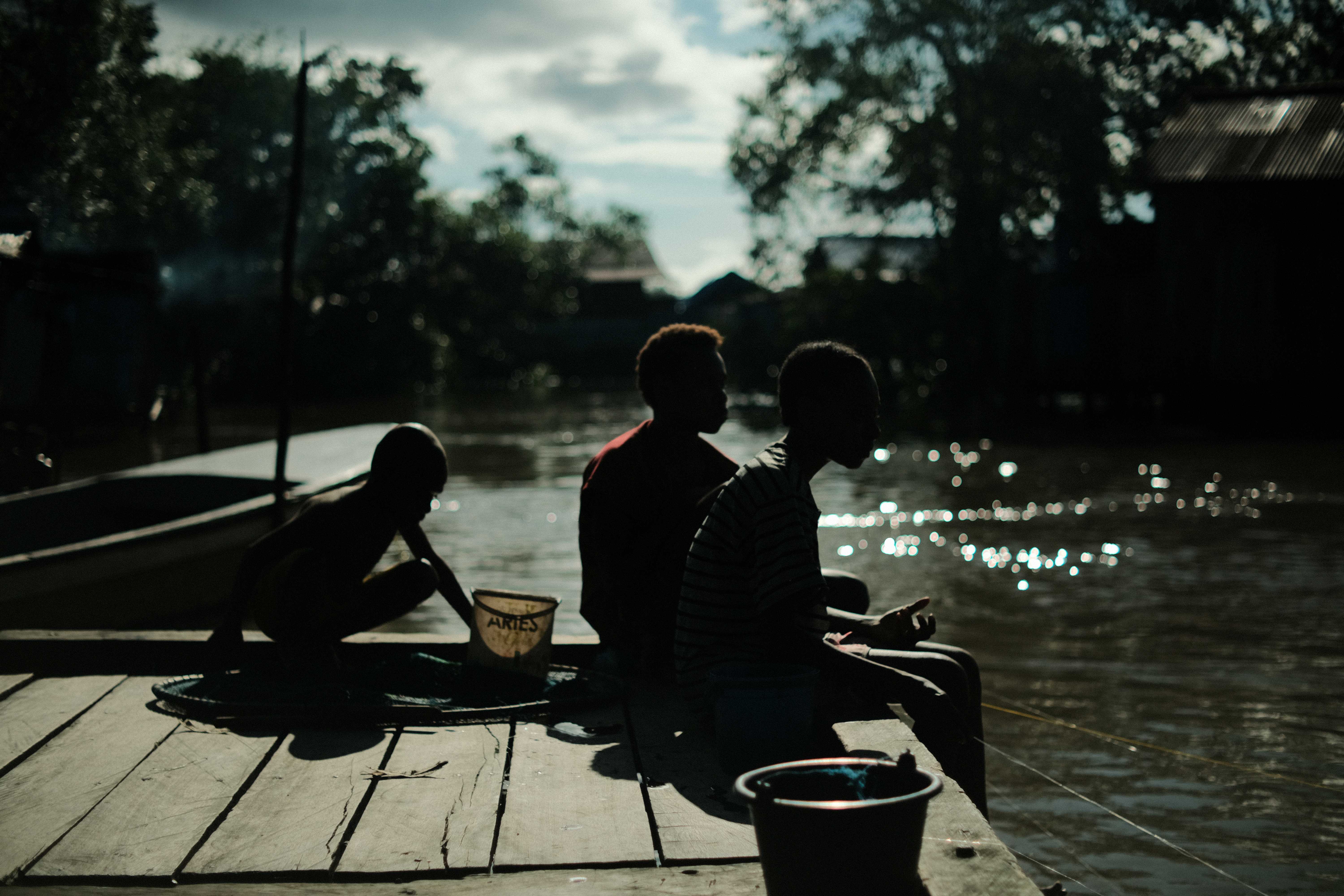
Malaria elimination efforts in Eastern Indonesia, particularly in Papua, still face significant challenges regarding healthcare accessibility and equity. Although technical interventions are available, the disease burden remains concentrated among indigenous communities (Orang Asli Papua). To achieve sustainable elimination, a profound understanding of the systemic and social barriers preventing vulnerable groups from receiving timely diagnosis and treatment is essential. The application of comprehensive evaluation instruments is key to identifying gaps in inclusive service delivery.
Using a framework based on Gender Equality, Disability, and Social Inclusion (GEDSI), factors such as gender norms, physical limitations, and geographic isolation were analysed to understand their influence on malaria vulnerability. By mapping these inequities, health programmes can shift from "one-size-fits-all" strategies towards interventions that are more responsive and tailored to the specific needs of local communities.
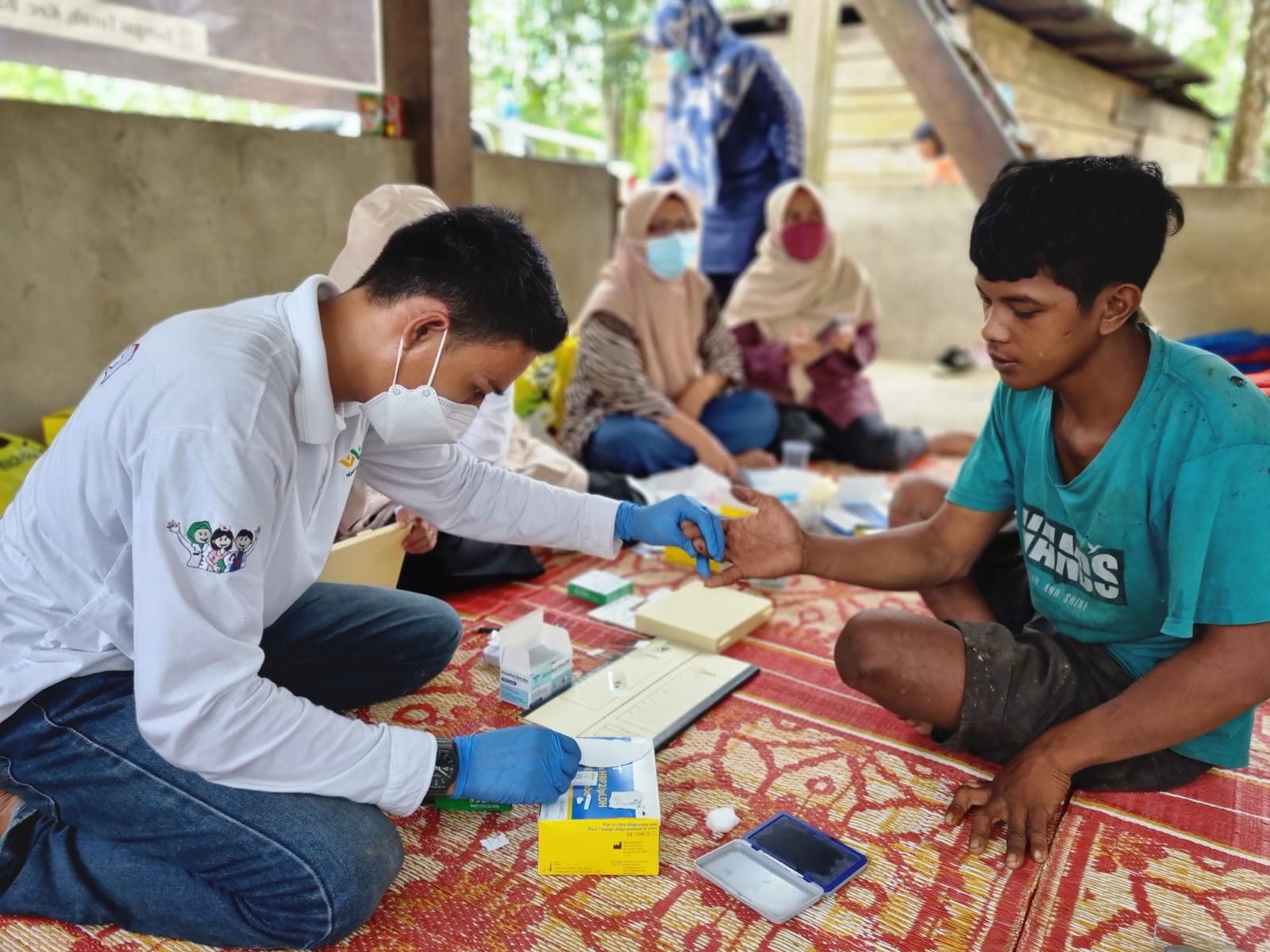
OUCRU Indonesia has completed a formative assessment conducted in three priority regencies: Keerom, Yapen, and Asmat. This study utilised the WHO Matchbox Tool to evaluate the effectiveness and inclusivity of current malaria programmes. The assessment involved various stakeholders, ranging from programme managers at the district health office level and primary health centre (Puskesmas) staff to community members in remote areas.
The study revealed several crucial findings and best practices, including:
- Socio-Cultural Barriers: Identifying the influence of gender roles and deep-rooted traditional beliefs in shaping health-seeking decisions.
- Accessibility and Infrastructure: Evaluating health facilities that still require improvements, particularly regarding disability-friendly infrastructure.
- The Vital Role of Community Health Workers (CHWs): Discovering that local CHWs possess high motivation and strong legitimacy but require specific training on disability inclusion and more stable logistical support.
- Treatment Adherence Dynamics: Analysing patient behaviour where many tend to cease medication once symptoms subside, posing a risk of relapse and drug resistance.
- Logistics Availability: Monitoring the stocks of antimalarial medicines and the distribution of bed nets which have reached vulnerable groups such as pregnant women and the elderly, although the visibility of educational materials remains limited.
The assessment results demonstrate that whilst the technical capacity at Puskesmas is generally adequate, logistical challenges in difficult terrains, such as swamps and mountains, remain major obstacles. The recommendations from this report emphasise the importance of strengthening services that are culturally sensitive and increasing the involvement of indigenous people in programme planning.
Moving forward, the results of this research report are expected to serve as a guide for the Ministry of Health and global partners in designing fairer malaria elimination policies. By addressing the equity barriers identified through the Matchbox Tool, it is hoped that every individual in Papua, regardless of gender, physical ability, or social status, can receive maximum protection from the threat of malaria.
These reports are prepared as internal documents to monitor programme progress and ensure accountability to development partners. Access to the full documents is restricted to relevant partners and donors only.
Tags:

Tags: