
Published on

About Us
Lorem ipsum dolor sit amet, consectetur elit, sed do eiusmod tempor incididunt ut labore et magna aliqua.
Get a free quote
Alignment of Case Estimates for Malaria Programme Planning 2026–2029
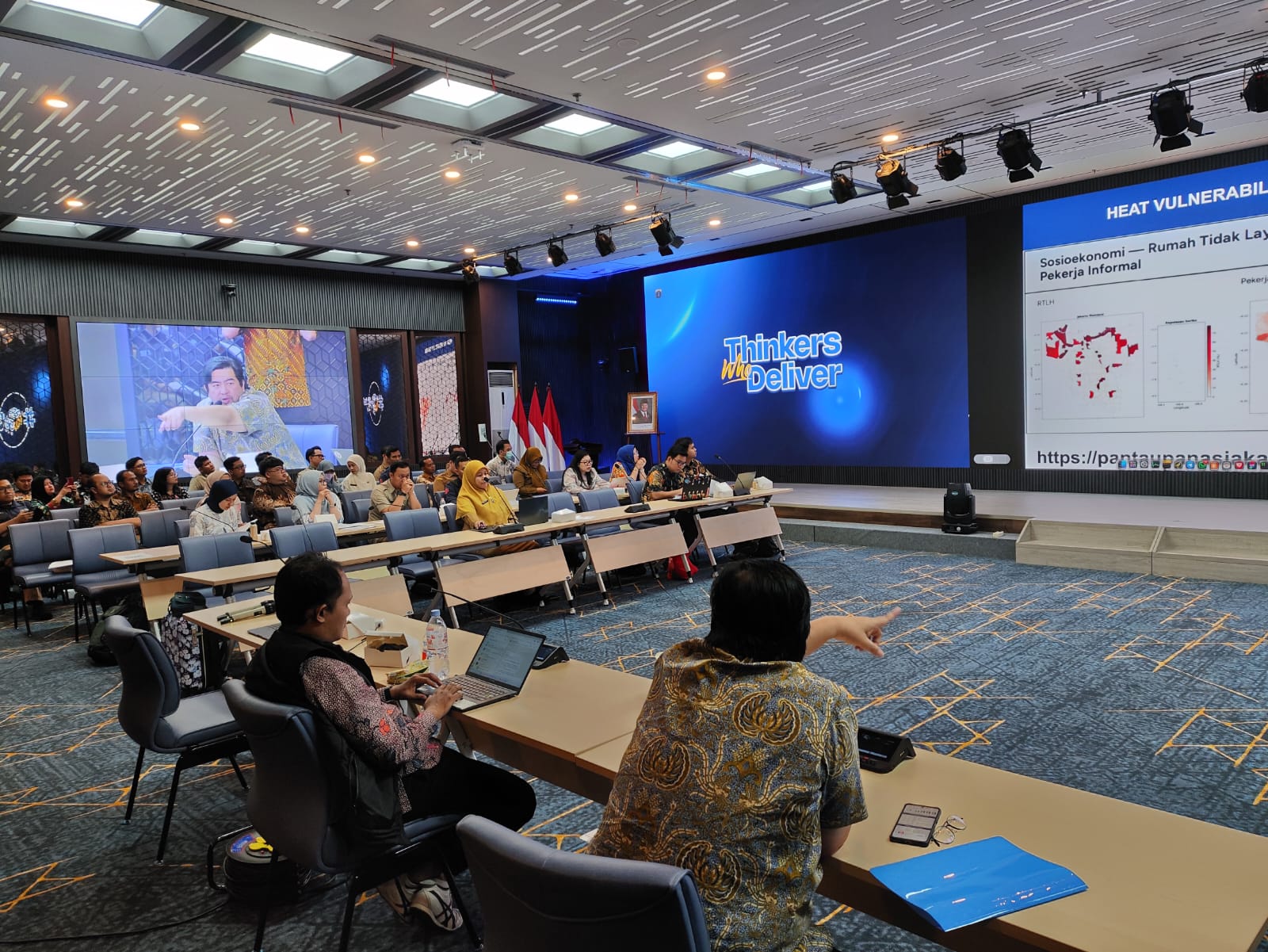
In an effort to accelerate national malaria elimination, the Ministry of Health convened a Coordination Meeting on the Alignment of Positive Case Estimates and Malaria Testing Targets for the 2026–2029 period. The meeting was held on 10 March 2026, both in person at the UNICEF Indonesia Office in Jakarta and virtually via Zoom, bringing together a wide range of cross-sector stakeholders.
This coordination forum represents a strategic step in ensuring that future malaria programme planning is grounded in accurate estimates of disease burden and realistic testing targets. Such alignment is essential to support targeted interventions, strengthen surveillance systems, and ensure the adequate provision of programme logistics across endemic areas.
The meeting also addressed adjustments to estimation methodologies based on programme achievements in 2024 and 2025. Reviewing these data is critical to understanding current epidemiological trends and identifying remaining gaps. By adopting a data-driven approach, the targets set are expected to be not only ambitious but also operationally feasible at the field level.
Participants included officials and staff from the Indonesian Ministry of Health, representatives from WHO and UNICEF, academics, and malaria expert Dr Iqbal Elyazar. The involvement of these stakeholders highlights the importance of collaborative engagement in shaping comprehensive and responsive malaria policies and strategies.
Through constructive discussions, the meeting is expected to produce consensus on more precise case estimates and testing targets. The outcomes of this alignment will serve as a key foundation for the development of the national malaria programme plan for 2026–2029.
With stronger, evidence-based planning, Indonesia is better positioned to accelerate progress towards malaria elimination in an effective, efficient, and sustainable manner.
Tags:
Tags: