
Published on

About Us
Lorem ipsum dolor sit amet, consectetur elit, sed do eiusmod tempor incididunt ut labore et magna aliqua.
Get a free quote
Health Data Integration: Modernising SISMAL Towards National Electronic Medical Records
The accuracy and speed of data exchange are decisive factors in the effectiveness of malaria control in Indonesia. The Malaria Surveillance Information System (SISMAL) has long served as the backbone for case reporting; however, challenges regarding interoperability with other national systems remain to be addressed. The transformation of SISMAL towards integration with Electronic Medical Records (RME) and the SatuSehat platform is a crucial step in ensuring that all malaria patient data is accurately recorded, integrated, and accessible in real-time for policymakers.
This digitalisation effort aims to create programme efficiency through the use of a unique patient identifier (NIK) and data synchronisation with various health platforms such as ASIK and NAR. With an integrated system, field monitoring and interventions can be conducted with greater precision, ensuring that no cases are missed during the surveillance process as the nation works towards the 2030 elimination target.
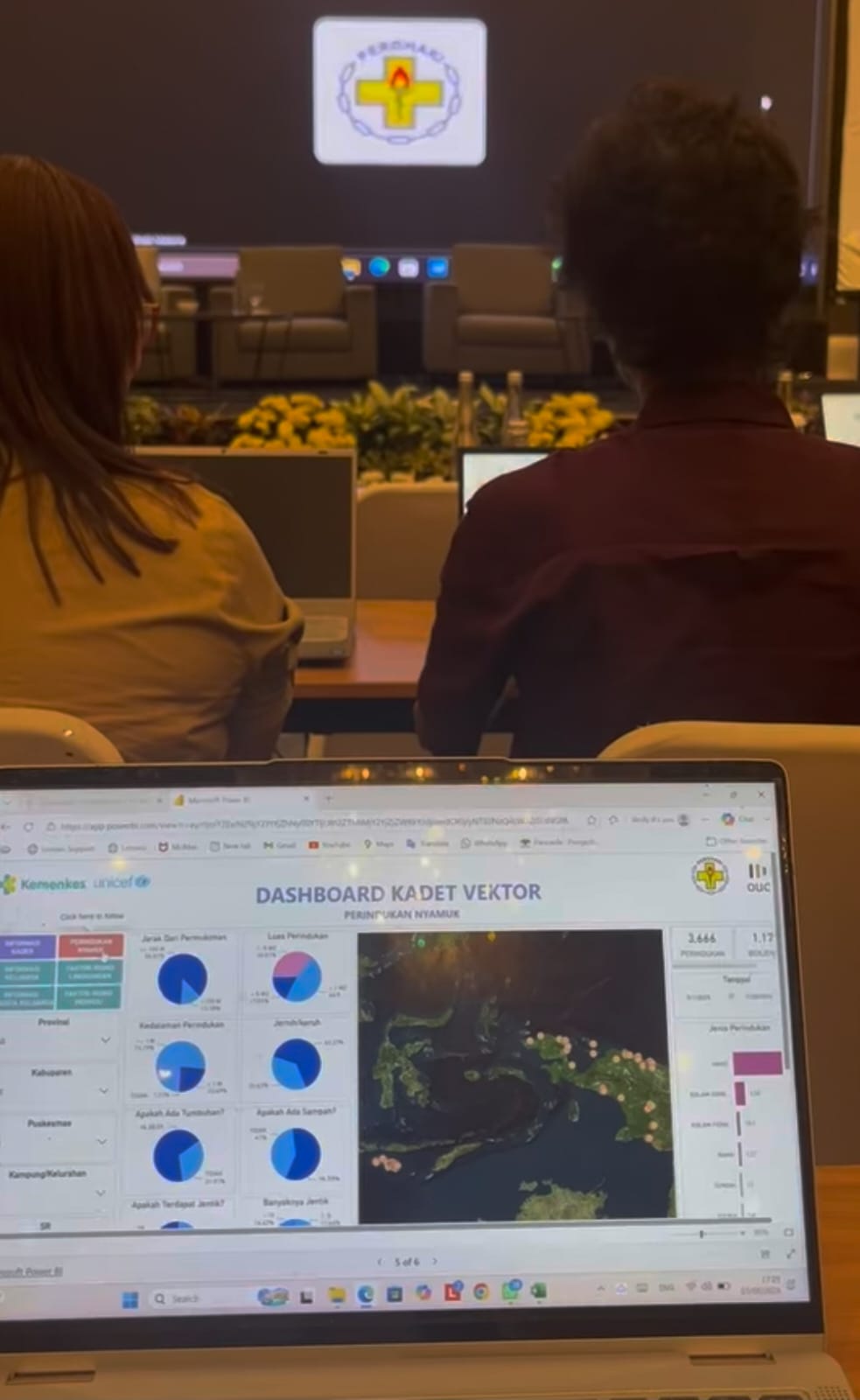
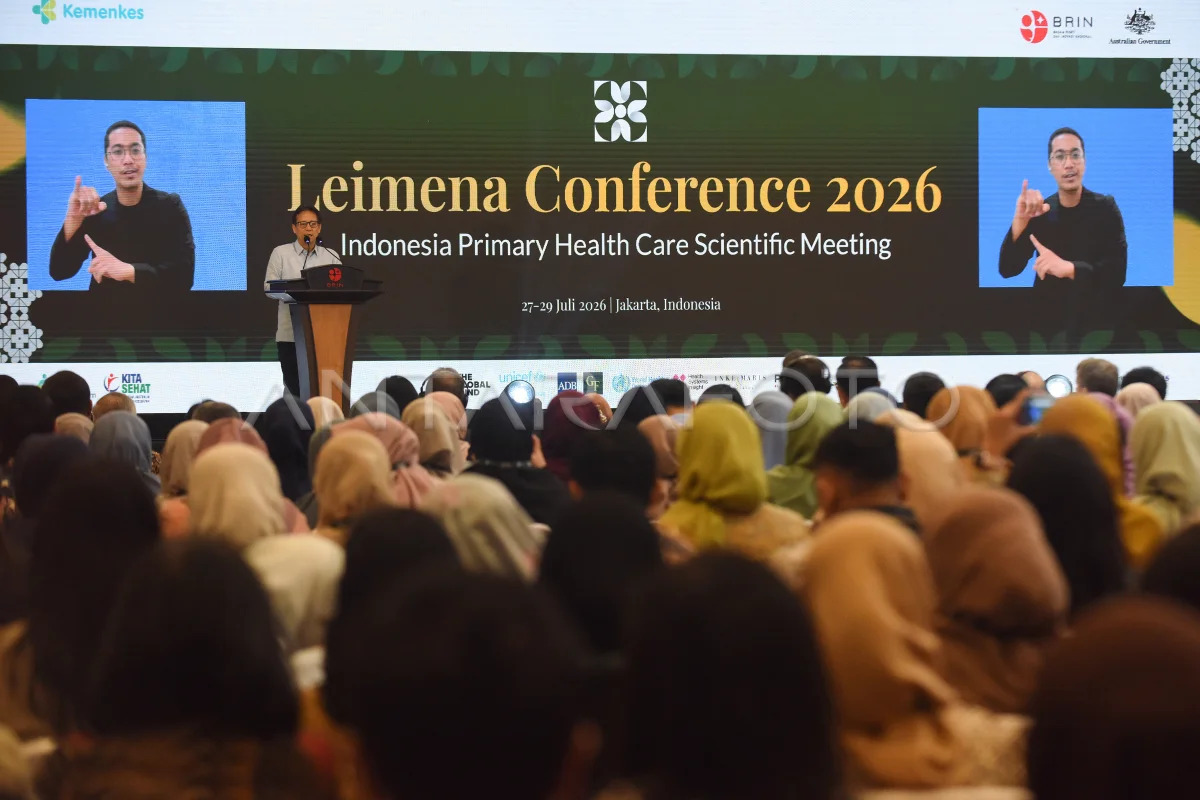
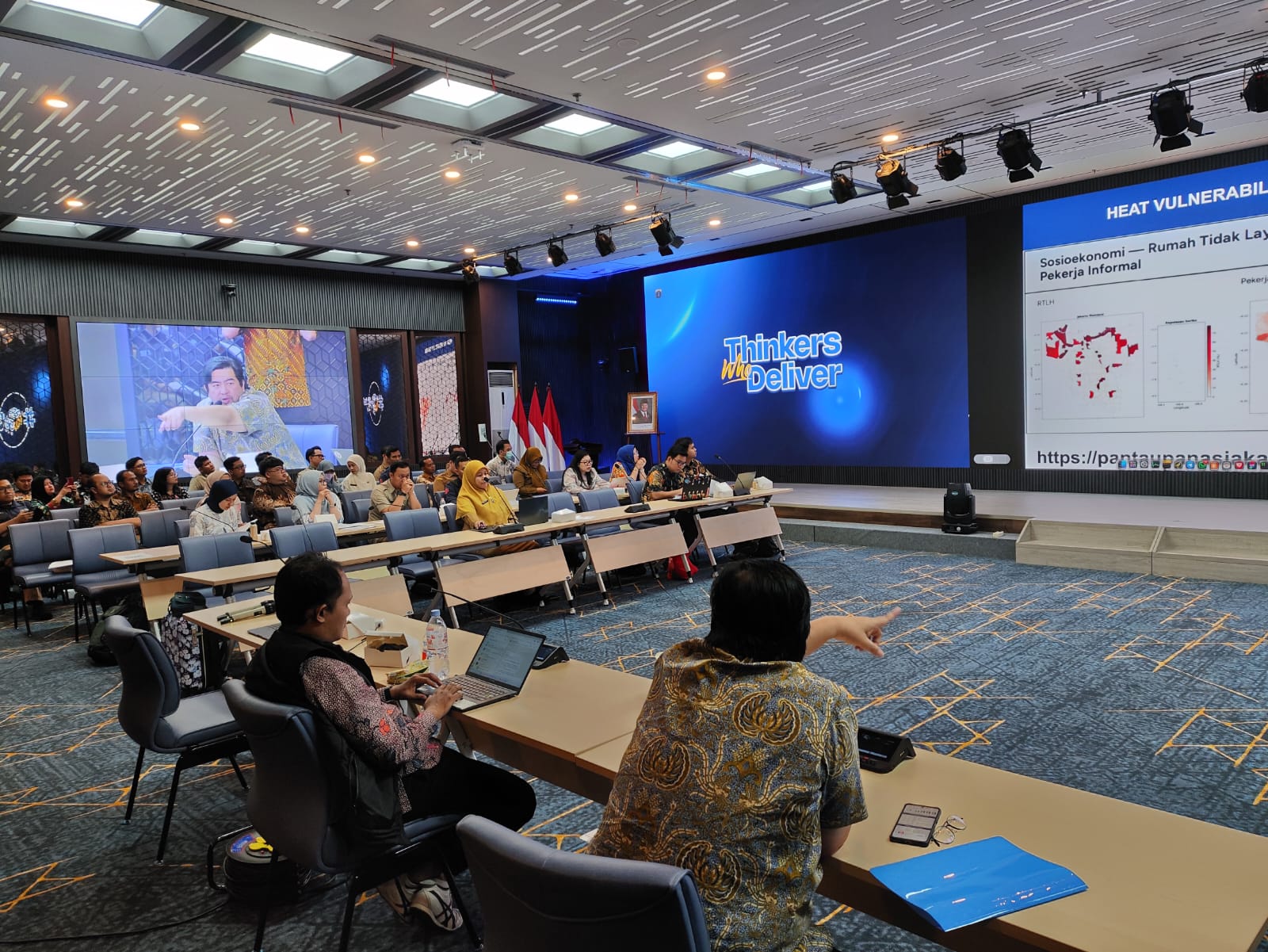
To discuss these technical steps, a strategic session on SISMAL's status and its integration with RME was held on Thursday, 20 March 2025, in Jakarta. The meeting brought together data managers from the Ministry of Health, health technology practitioners, and technical experts. During this technical discussion, Iqbal Elyazar, Ph.D. attended as a malaria expert to provide a review of surveillance data architecture and offer insights into the challenges and opportunities of aligning malaria data within the national digital health ecosystem.
The discussions are expected to produce a solid follow-up plan for system transition and the development of more interactive monitoring dashboards. The synergy between government leadership and the technical expertise of specialists like Iqbal Elyazar is key to building a resilient health information system that is responsive to the needs of malaria elimination in Indonesia.
Tags:
Tags: