
Published on

About Us
Lorem ipsum dolor sit amet, consectetur elit, sed do eiusmod tempor incididunt ut labore et magna aliqua.
Get a free quote
Regional Workshop in Singapore Discusses Policy-driven Infectious Disease Modelling
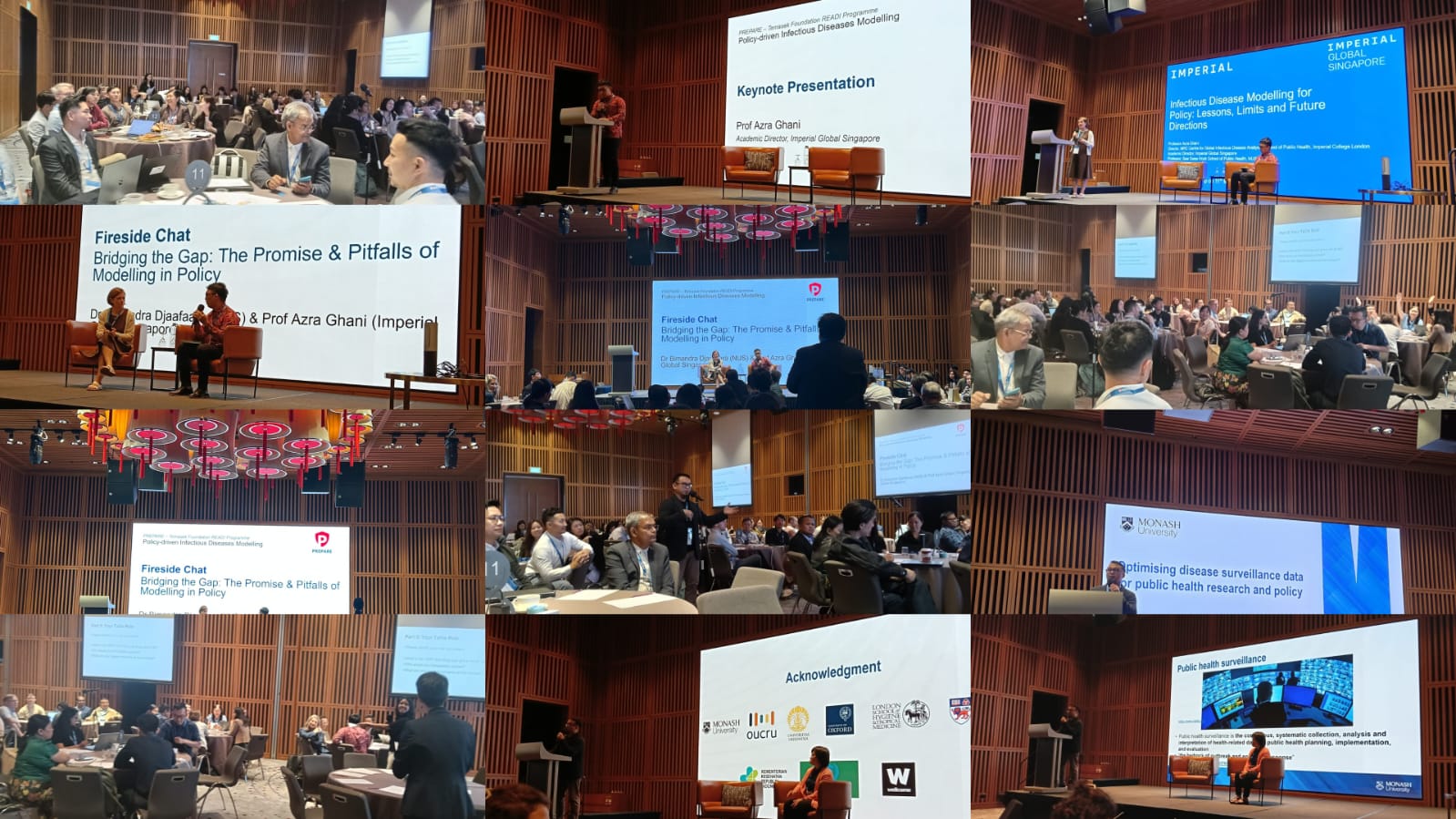
Singapore’s PREPARE (Programme for Research in Epidemic Preparedness and Response) organises the Policy-driven Infectious Diseases Modelling Workshop from 11 to 15 May 2026 in Singapore as part of the Research Engagements and Alliance for Diseases caused by Infections (READI) programme. The workshop aimed to strengthen ASEAN collaboration in epidemic preparedness through training, research, and regional capacity building in infectious disease modelling.
The five-day workshop brought together academic researchers, operational analysts, policymakers, and public health institutions from across the ASEAN region. Organises in collaboration with the Saw Swee Hock School of Public Health and the Centre for Epidemic Research Modelling (CERM) at the National University of Singapore, as well as the Jameel Institute at Imperial College London, the programme focused on strengthening the role of infectious disease modelling in evidence-based policymaking. Support for the initiative was provided by the Temasek Foundation.
The workshop programme covered a broad range of themes, including disease surveillance and epidemiology, vaccination policy modelling, climate and environmental drivers of infectious diseases, behavioural and public health modelling, forecasting and projections, as well as the application of AI and machine learning in infectious disease policy. Participants also took part in breakout discussions, policy simulation exercises, and a field visit to the National Environment Agency (NEA) Mosquito Production Facility in Singapore.
Representatives from OUCRU Indonesia contributed actively to the programme. Henry Surendra, Associate Professor at Monash University Indonesia and representative of OUCRU Indonesia, delivered a presentation entitled Optimising Disease Surveillance Data For Public Health Research And Policy under the Data Platforms subtheme. Meanwhile, Dr. Bimandra Djaafara represented OUCRU Indonesia as a presenter in the session LMIC Realities: Two-way Engagement At The District Level, which discussed challenges and opportunities for strengthening engagement between modellers and policymakers in low- and middle-income countries.
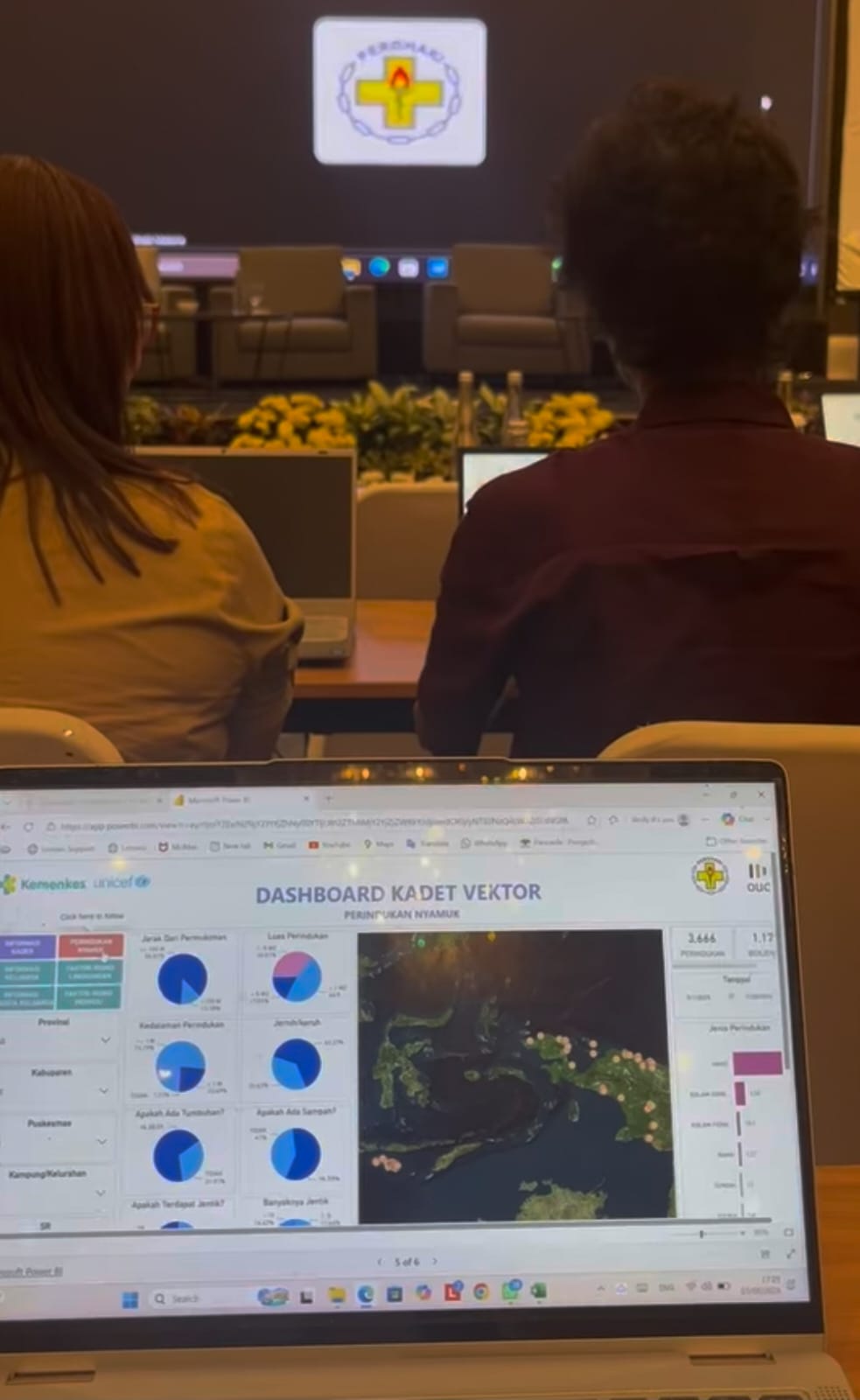
Representing OUCRU Indonesia, Dr. Kartika Sarawati and Dr. Iqbal Elyazar, Head of the Geospatial Epidemiology Programme, also participate in the workshop through an official invitation from PREPARE. The forum is expected to strengthen regional scientific networks, encourage long-term modeller–policymaker partnerships, and support the development of more responsive and evidence-based public health policies across ASEAN.
Tags:
Tags: