
Published on

About Us
Lorem ipsum dolor sit amet, consectetur elit, sed do eiusmod tempor incididunt ut labore et magna aliqua.
Get a free quote
Strengthening Legal Foundations: Standardising Regional Regulations to Accelerate Malaria Elimination
The sustainability of malaria elimination programmes at the regional level relies heavily on robust and standardised legal frameworks. Following the high-level commitments made during the High-Level Forum with Six Governors of Papua in Bali, the Indonesian Government is now focusing on ensuring that every province and regency, particularly across Papua, possesses solid regional regulations. This step is crucial to guarantee the continuity of funding, strengthen cross-sectoral coordination, and ensure that malaria interventions remain effective amidst leadership or funding transitions.
The standardisation of regional regulations aims to create strategic alignment between national policies and local implementation. With a clear legal basis, local governments can independently allocate resources and mobilise all sectors in the effort to break the chain of malaria transmission within their respective territories.
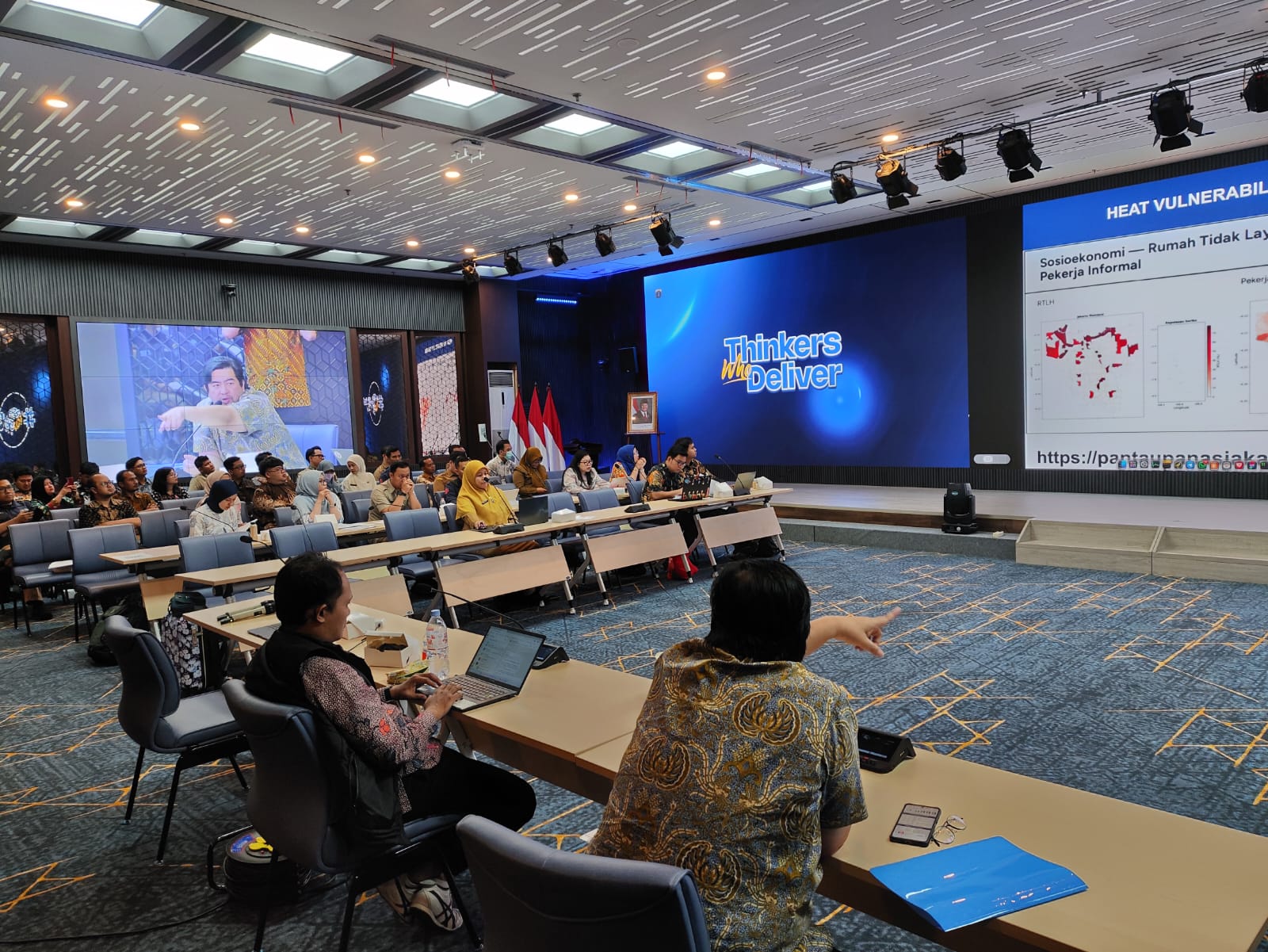
To achieve this vision, the Directorate General of Disease Prevention and Control of the Ministry of Health organised a consultative meeting on the standardisation of regional regulations on Tuesday, 1 July 2025. This gathering served as a platform for stakeholders to discuss and formulate recommendations regarding regional legal instruments. During the meeting, Iqbal Elyazar, Ph.D. attended as a malaria expert to provide technical perspectives and data-driven insights to help shape the regulatory concept.
Through the synergy between the government, experts, and development partners, this regulatory standardisation is expected to accelerate the achievement of malaria elimination status in Papua. A firm regulatory foundation will serve as a vital legacy in safeguarding public health and ensuring that the vision of a Malaria-Free Indonesia by 2030 is realised in an inclusive and sustainable manner.
Tags:
Tags: