
Published on

About Us
Lorem ipsum dolor sit amet, consectetur elit, sed do eiusmod tempor incididunt ut labore et magna aliqua.
Get a free quote
Special Intervention Strategies: Coordinating Malaria Control for Mobile Migrant Populations
Controlling malaria among Mobile Migrant Populations (MMP) is a critical challenge in achieving the Malaria-Free Indonesia 2030 target. Workers in the forestry, mining, and plantation sectors often operate in high-risk transmission areas that are difficult to reach via standard health services. This mobility not only poses a risk to the workers themselves but also carries the potential to trigger the reintroduction of malaria in regions that have already achieved elimination status.
To address these challenges, the Ministry of Health has adopted various special intervention strategies, ranging from preventive drug administration to active screening for those entering and leaving forest areas. Data synchronisation and operational coordination across regions are vital to ensuring that health protection is precisely targeted at these high-risk populations.
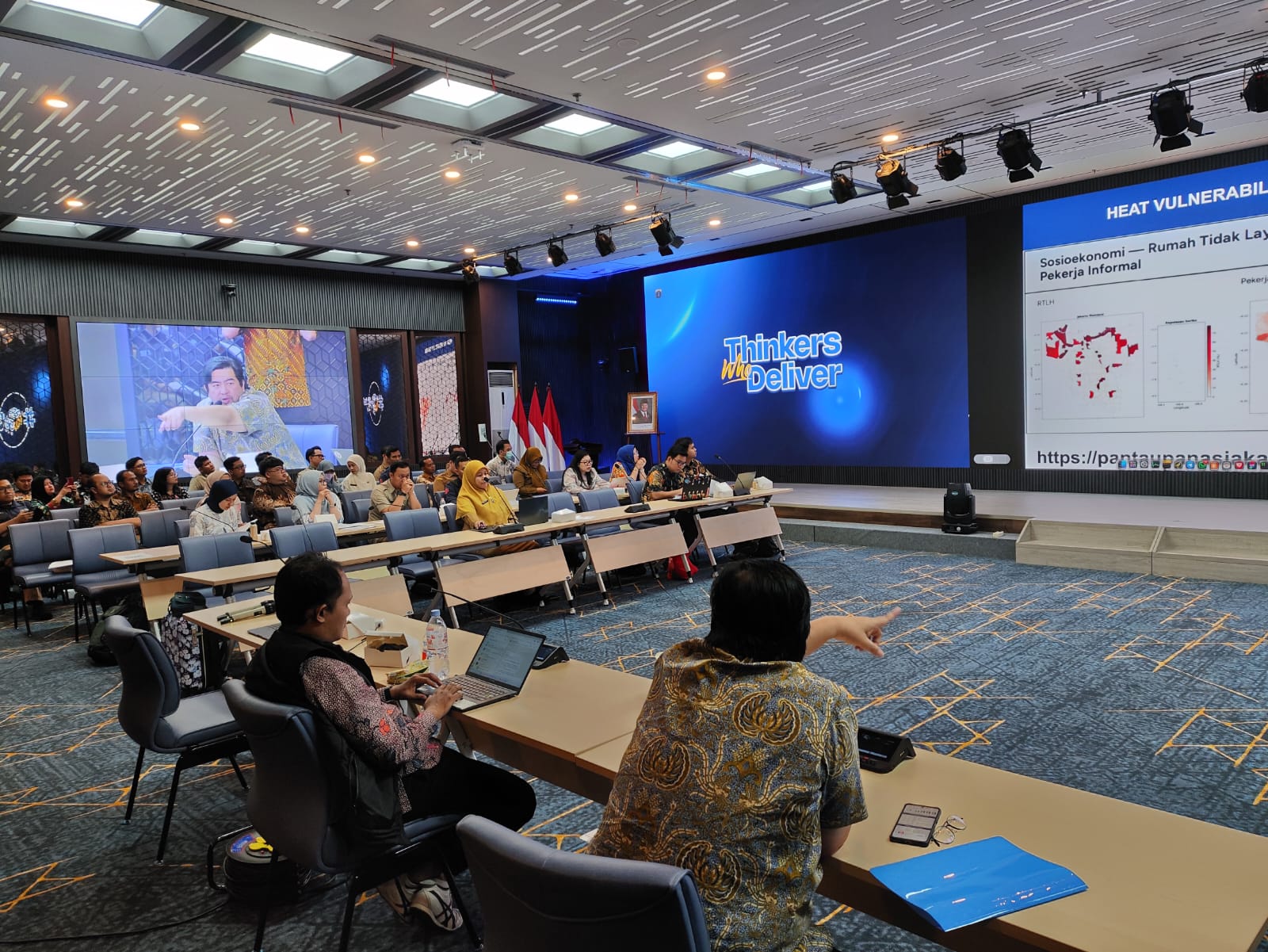
To strengthen the implementation of these strategies, the Directorate General of Disease Prevention and Control of the Ministry of Health convened a virtual meeting titled "Coordination of Special MMP Malaria Interventions" on Wednesday, 9 July 2025. The meeting involved programme managers from priority regencies in Jambi, West Kalimantan, East Kalimantan, North Maluku, and Gorontalo. During the technical discussions, Iqbal Elyazar attended as a malaria expert to provide strategic input and assist in refining intervention plans for each regency and city.
The meeting focused on mapping specific intervention loci and developing detailed action plans for each regional cluster. The synergy between ministerial policy and scientific expertise from specialists is expected to ensure that these special intervention packages for migrant populations are effective in reducing case numbers in challenging areas.
Tags:
Tags: