
Published on
About Us
Lorem ipsum dolor sit amet, consectetur elit, sed do eiusmod tempor incididunt ut labore et magna aliqua.
Get a free quote
Community Synergy: Evaluating Community-Based Malaria Intervention Achievements in Papua and Sumba
Accelerating malaria elimination in high-endemic regions such as Papua and Sumba requires an approach that reaches the grassroots level. Community-based interventions serve as a key strategy to ensure that health services, early detection, and case monitoring reach remote areas often inaccessible to routine services. Through active community engagement and intensive mentoring, the malaria transmission chain is expected to be broken more effectively and sustainably.
The coordination between stakeholders, including faith-based organisations and development partners, provides the foundation for safeguarding the quality of field interventions. Periodic evaluations of activity achievements are essential to map successes and identify challenges faced in mobilising community participation across priority regions.
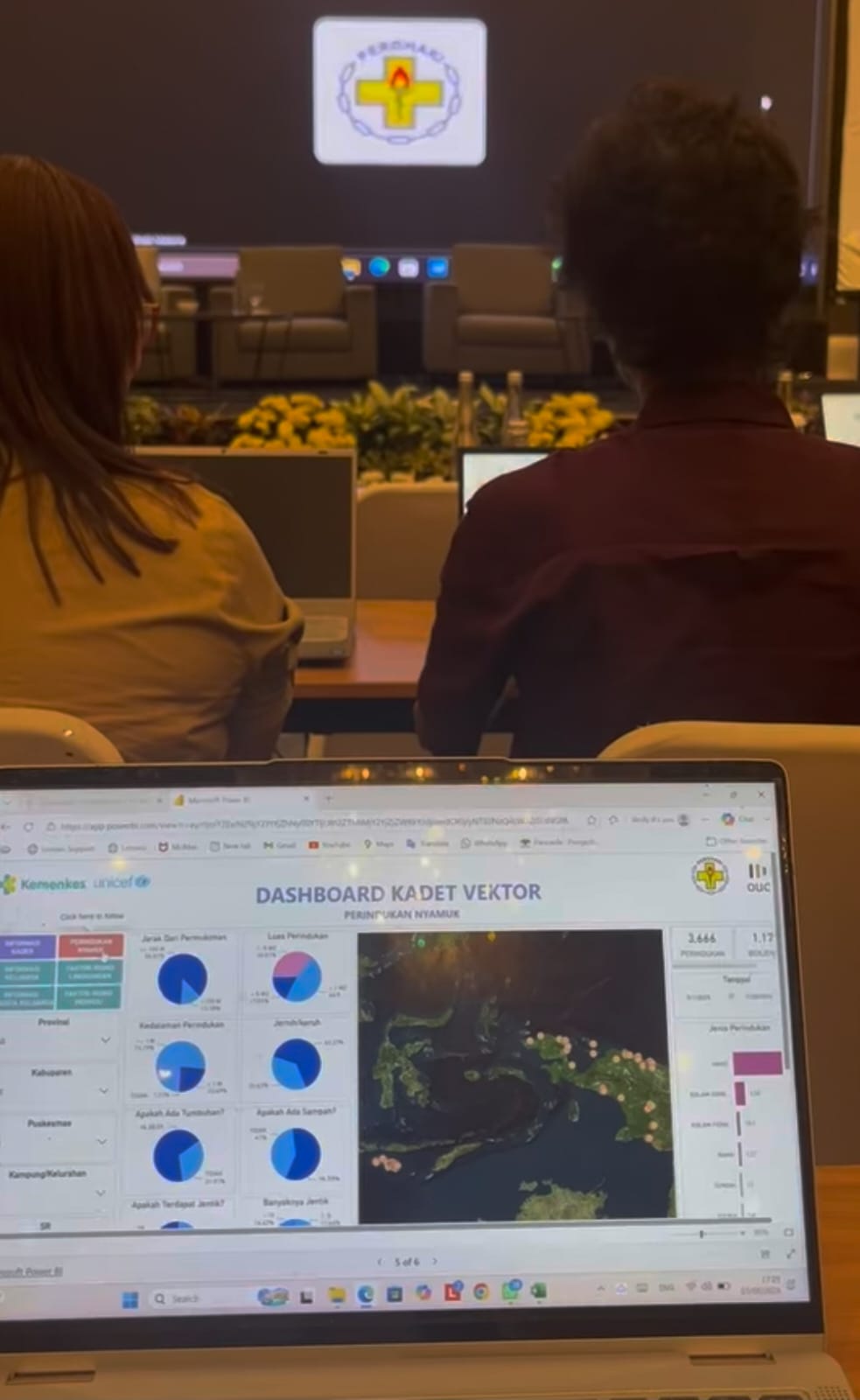
As part of this commitment, the Directorate General of Disease Prevention and Control of the Ministry of Health organised the "Coordination Meeting on Community-Based Malaria Intervention Achievements" on Thursday-Friday, 17-18 July 2025, at the Perdhaki Office, Jakarta. The meeting brought together programme managers from various regencies in Papua and Sumba along with technical experts. During the session, Iqbal Elyazar, Ph.D. attended as a malaria expert to provide technical reviews and strategic input regarding the monitoring and evaluation of collaborative community-based interventions.
The meeting focused on discussing regional achievements and developing more integrated monitoring strategies. The synergy between community dedication on the ground and scientific expertise from specialists like Iqbal Elyazar is key to ensuring that Indonesia's malaria elimination programme remains inclusive and accurately targeted.
Tags:
Tags: