Posted By

About Us
Lorem ipsum dolor sit amet, consectetur elit, sed do eiusmod tempor incididunt ut labore et magna aliqua.
Get a free quote
From Interviews to Themes: Nursing Students in Papua Explore Qualitative Research Techniques
-

-
Published on
December 18, 2025
Public health issues in Papua, such as the persistence of malaria, HIV/AIDS, and tuberculosis, are deeply intertwined with social dynamics and cultural beliefs. While quantitative data provides the numbers, qualitative research is essential to uncover the "why" and "how" behind health behaviors. For nursing students, mastering these techniques is not just about academic research; it is a vital skill for delivering more empathetic, humanistic, and culturally sensitive care to their future patients.
Qualitative research focuses on the meaning behind the data, capturing the lived experiences of individuals within their specific cultural contexts. By understanding the social barriers—such as economic constraints or local traditions—healthcare professionals can develop interventions that are more acceptable and effective for the community.
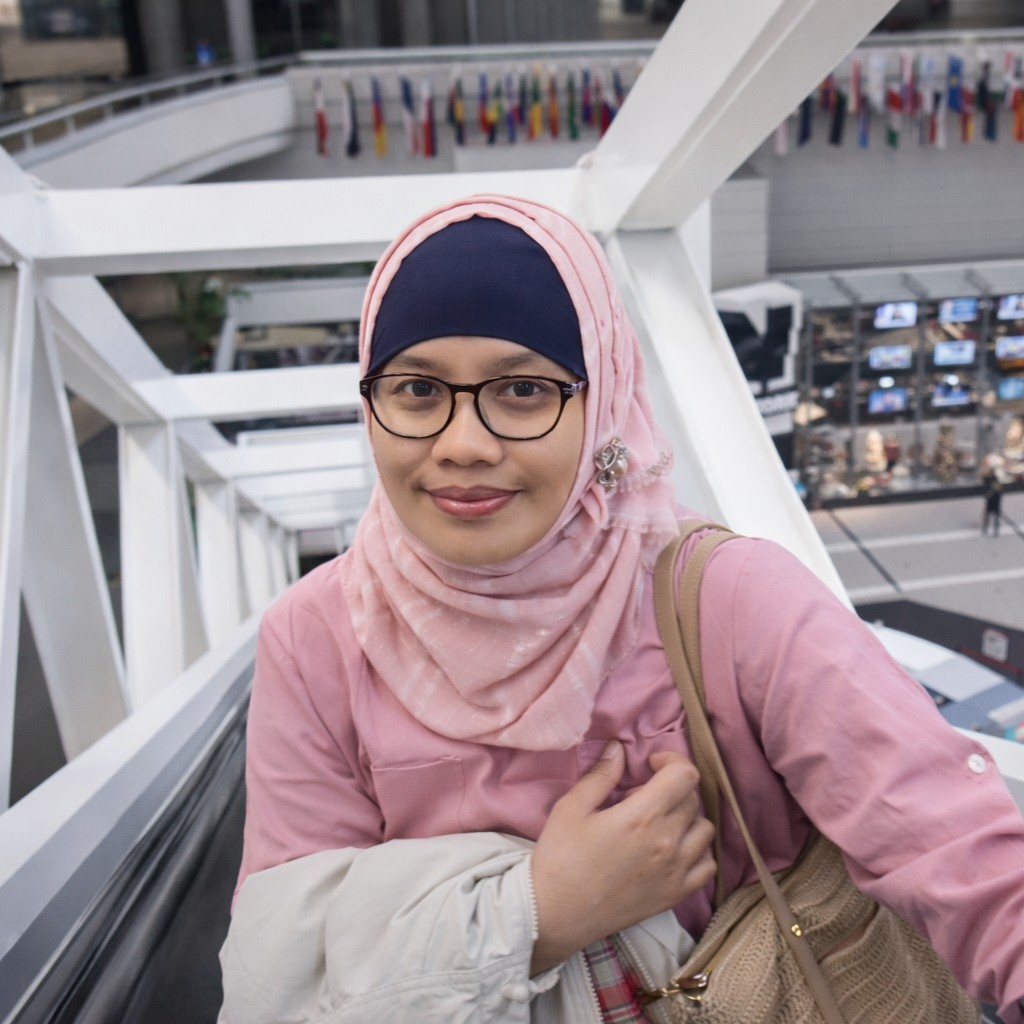
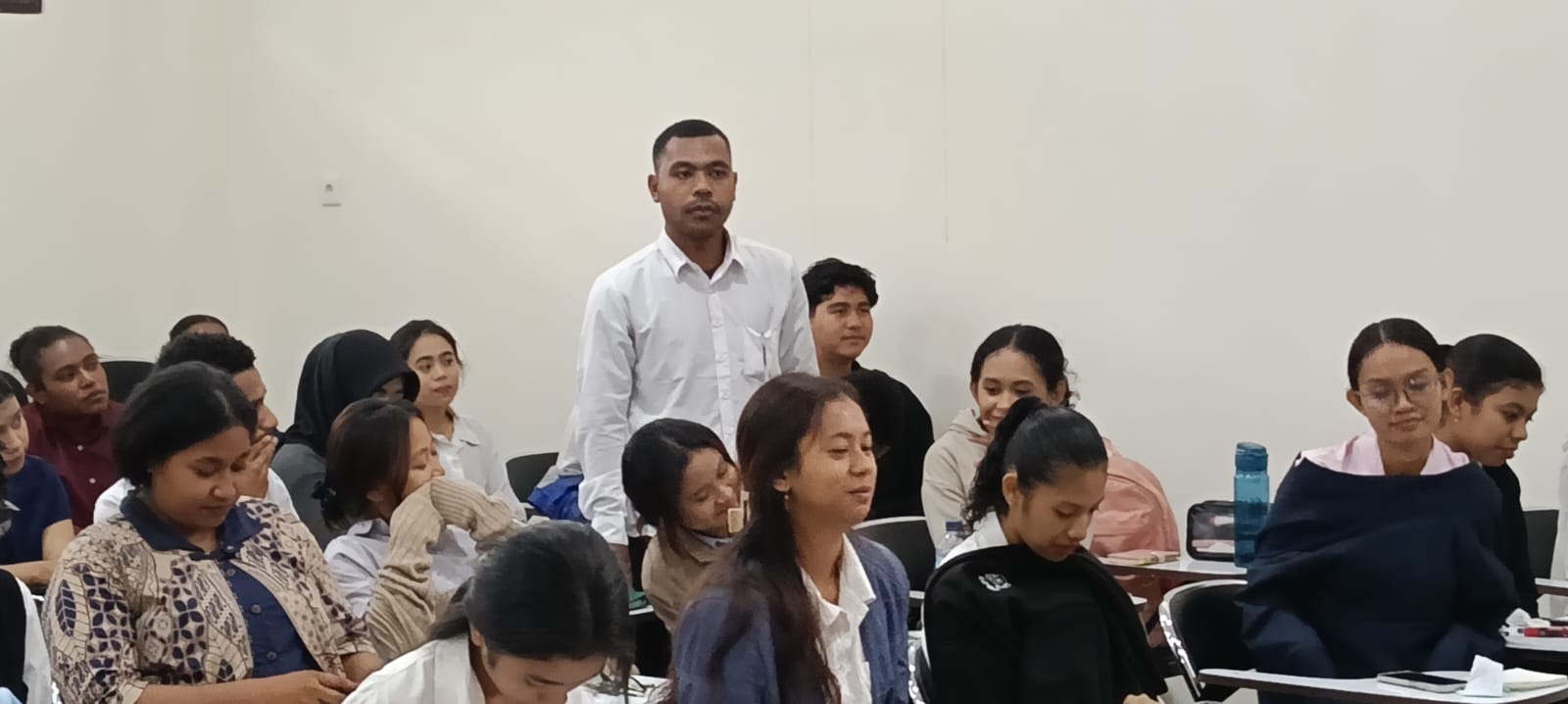
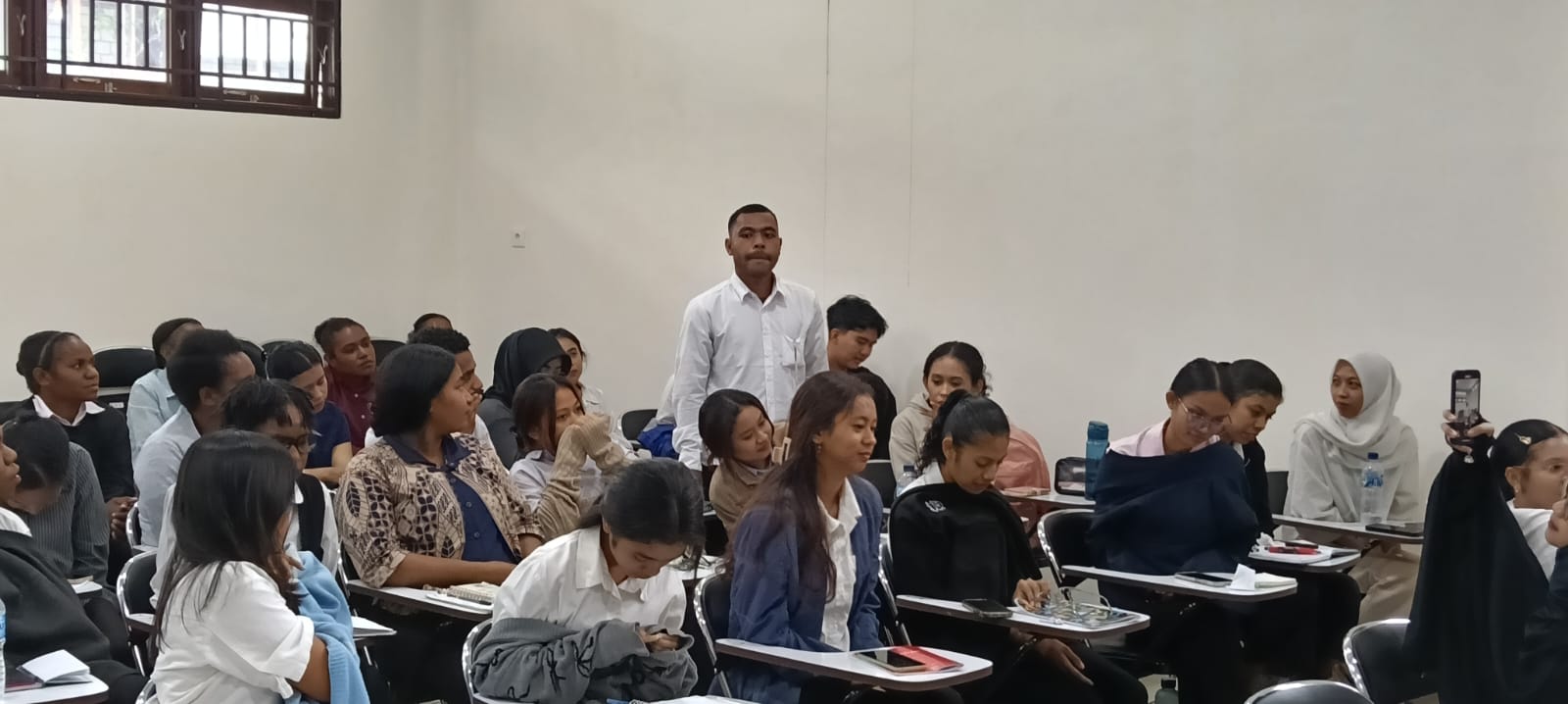
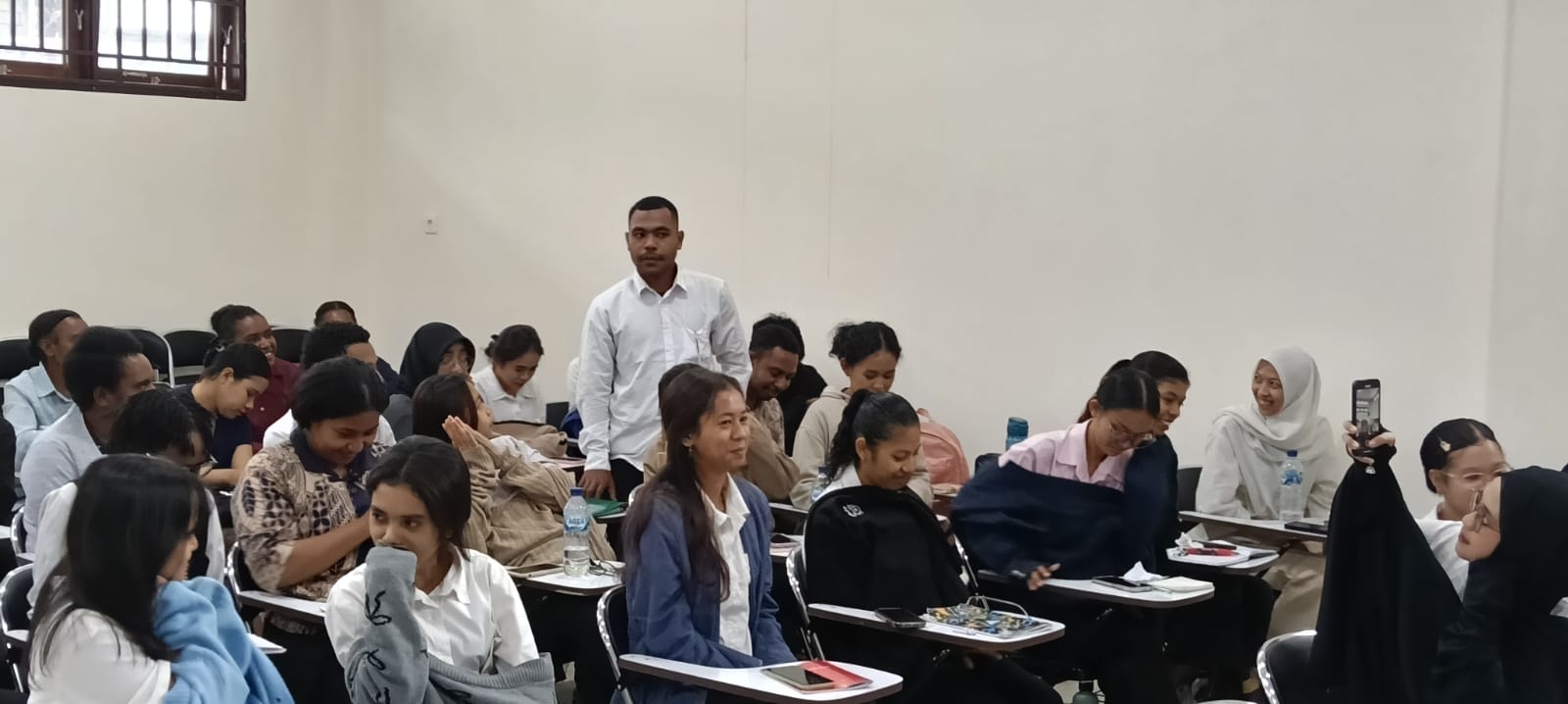
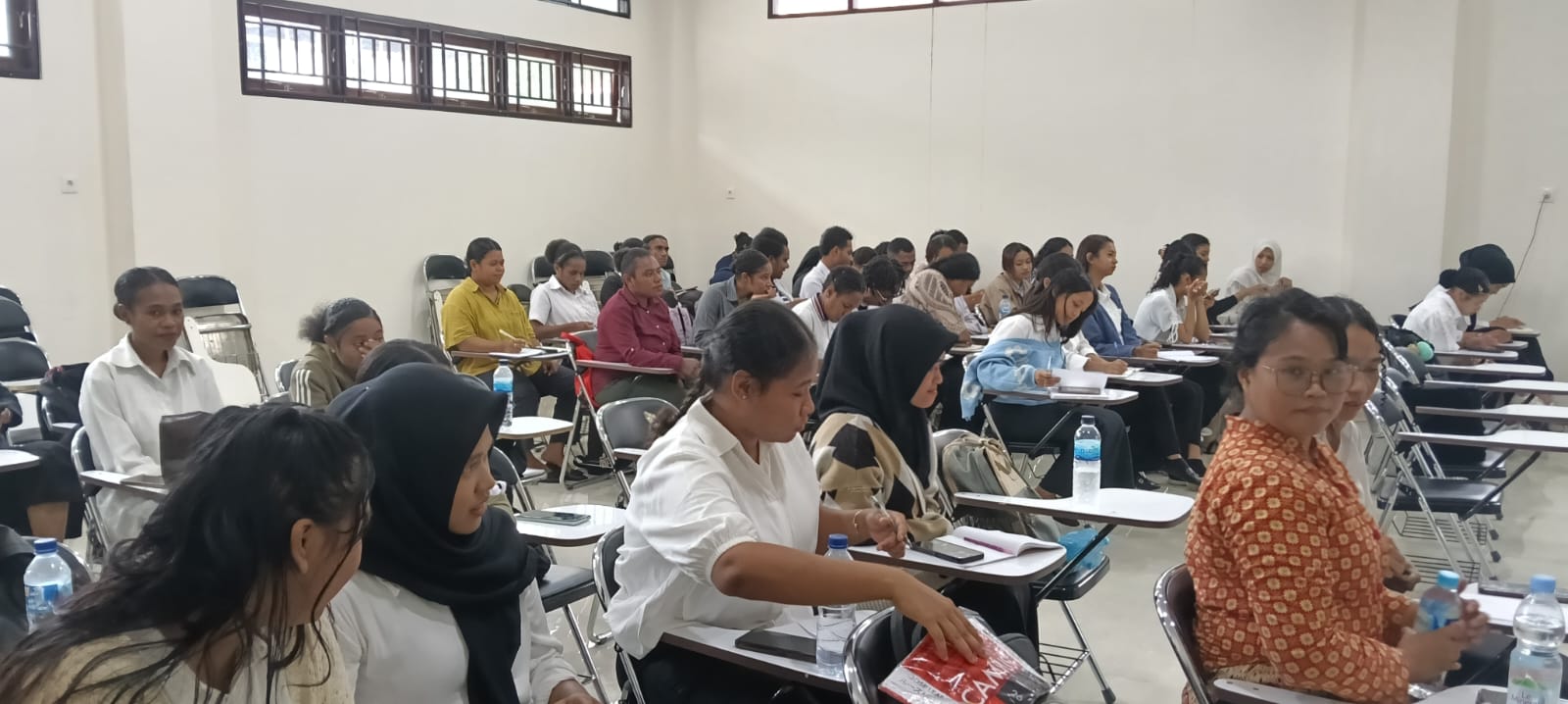
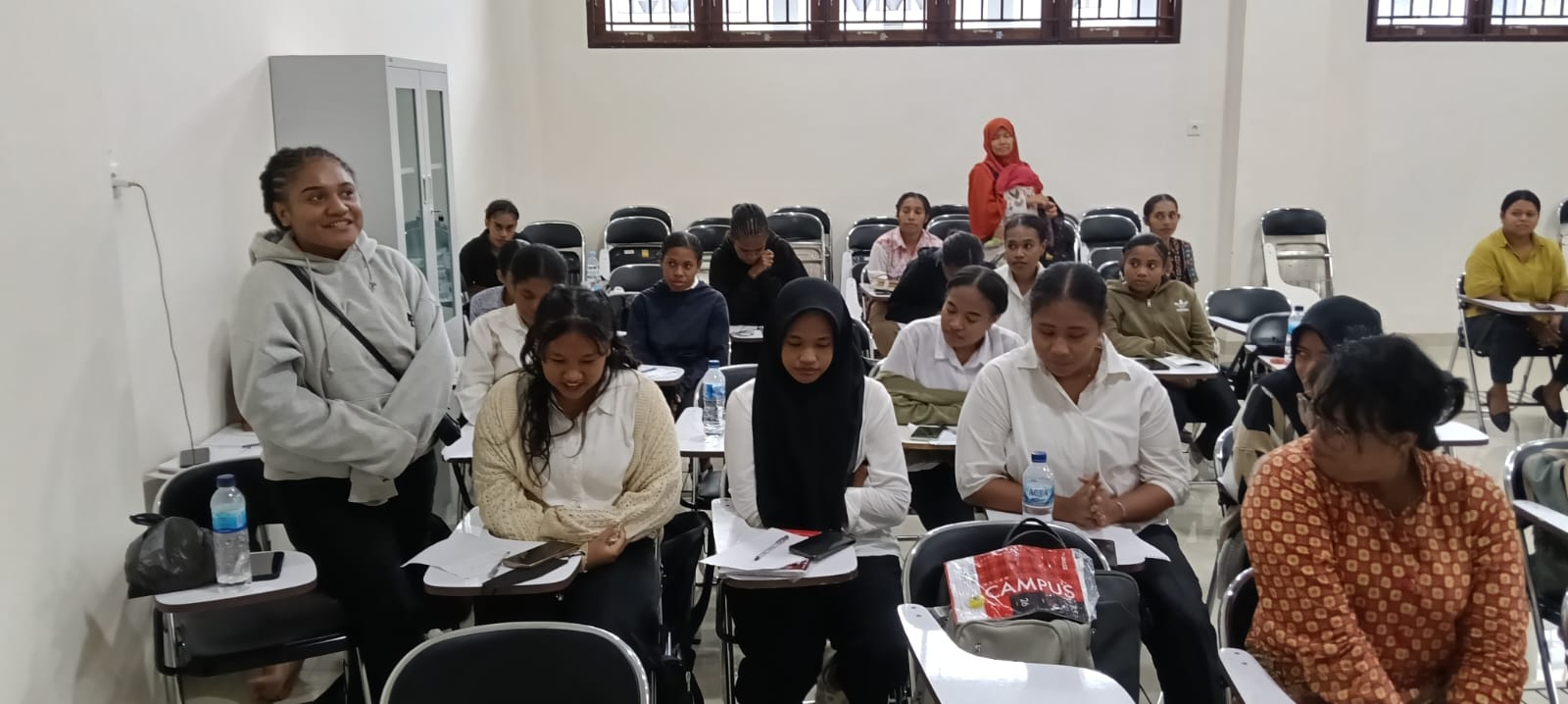
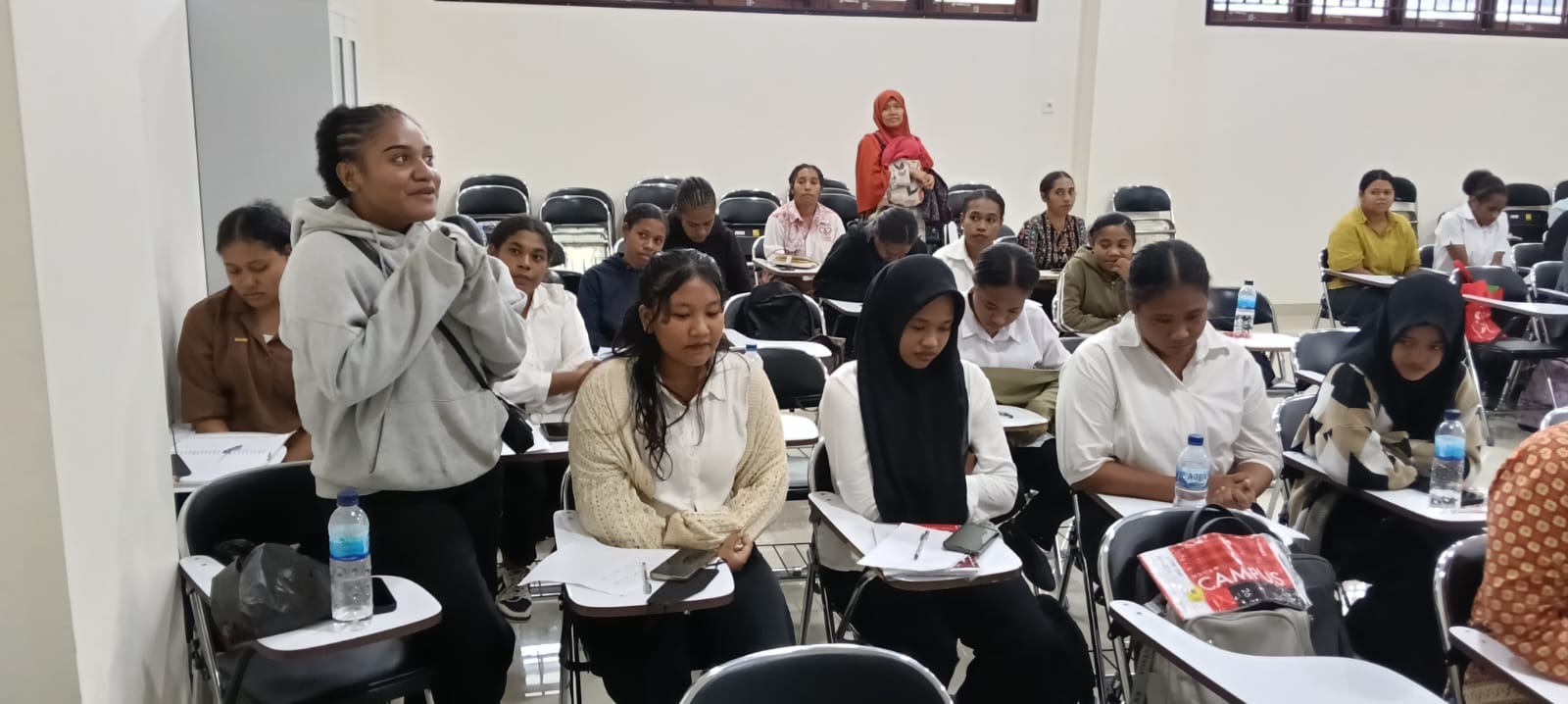
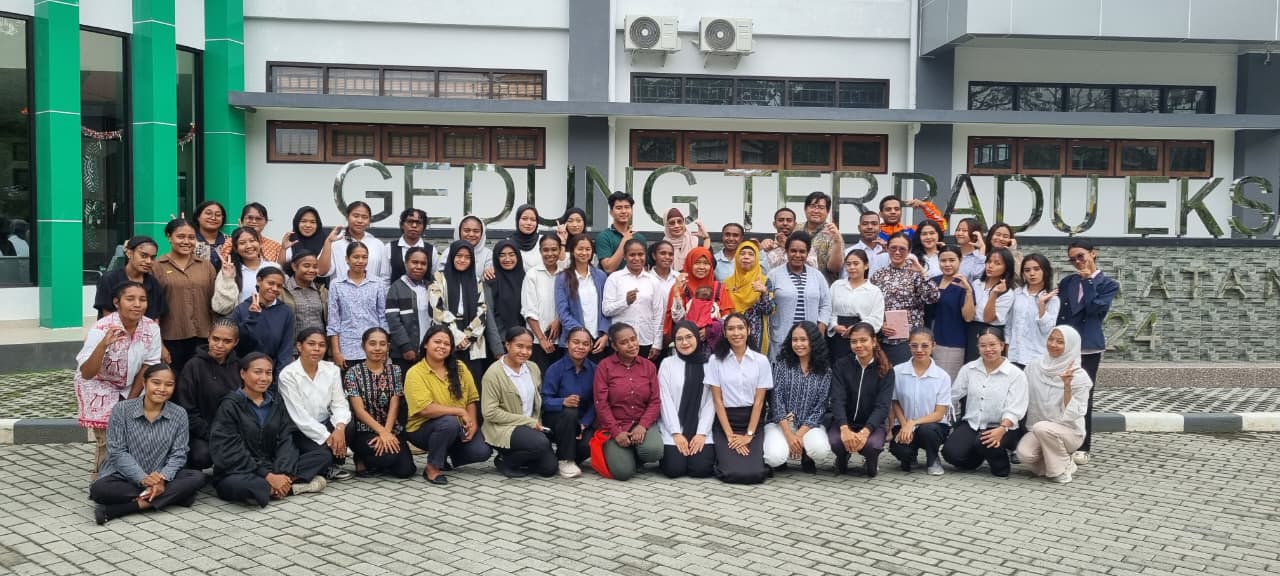
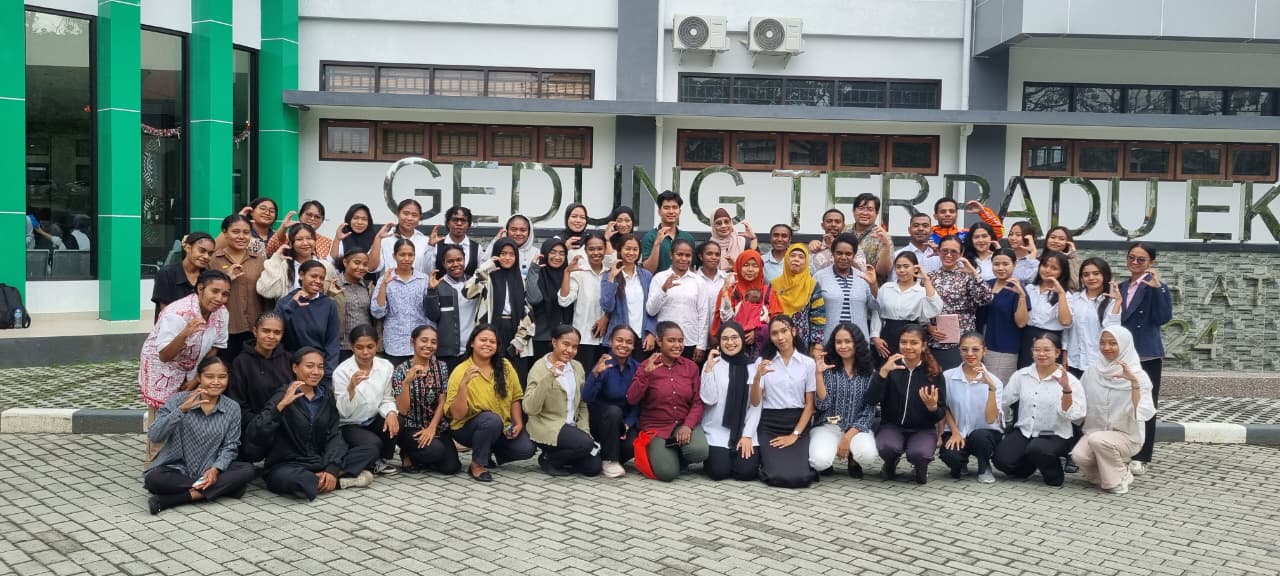
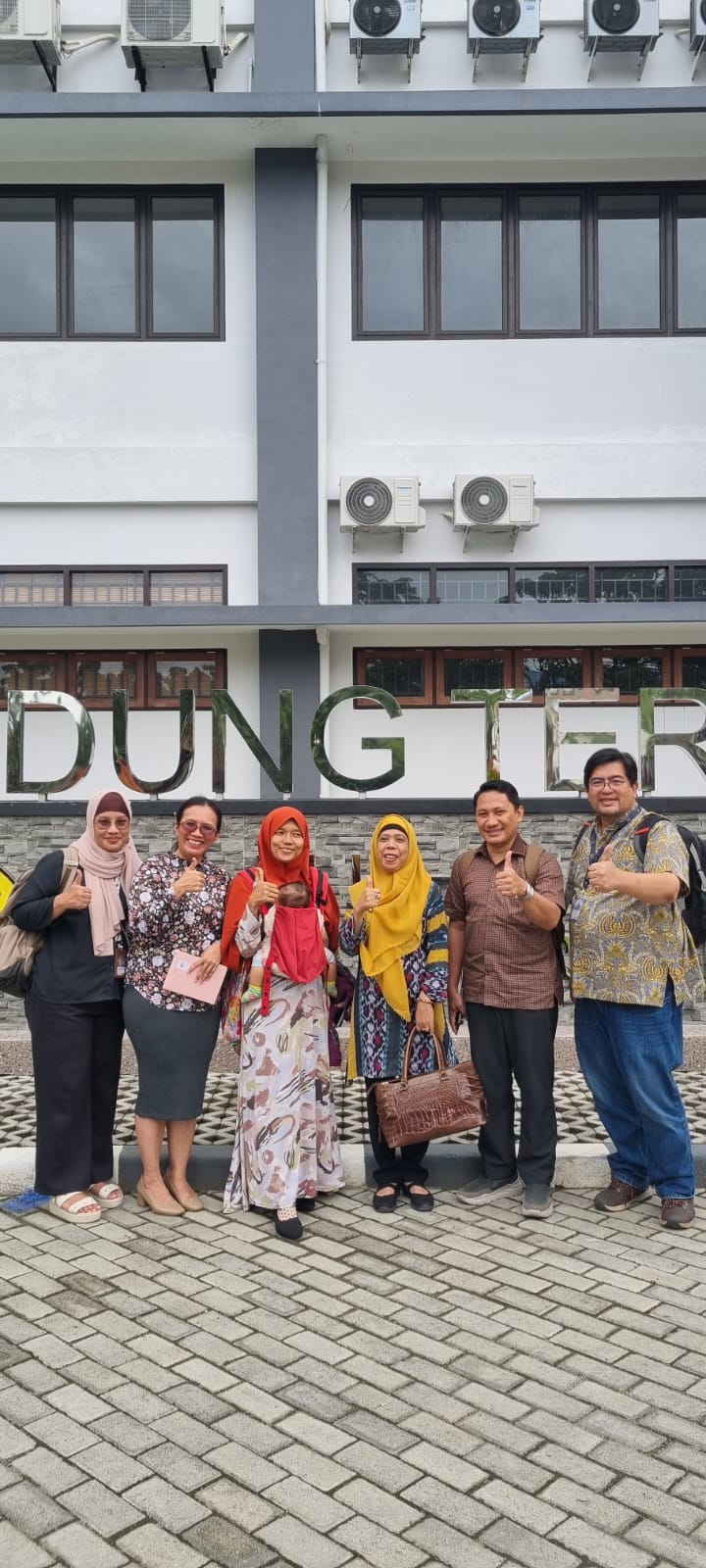
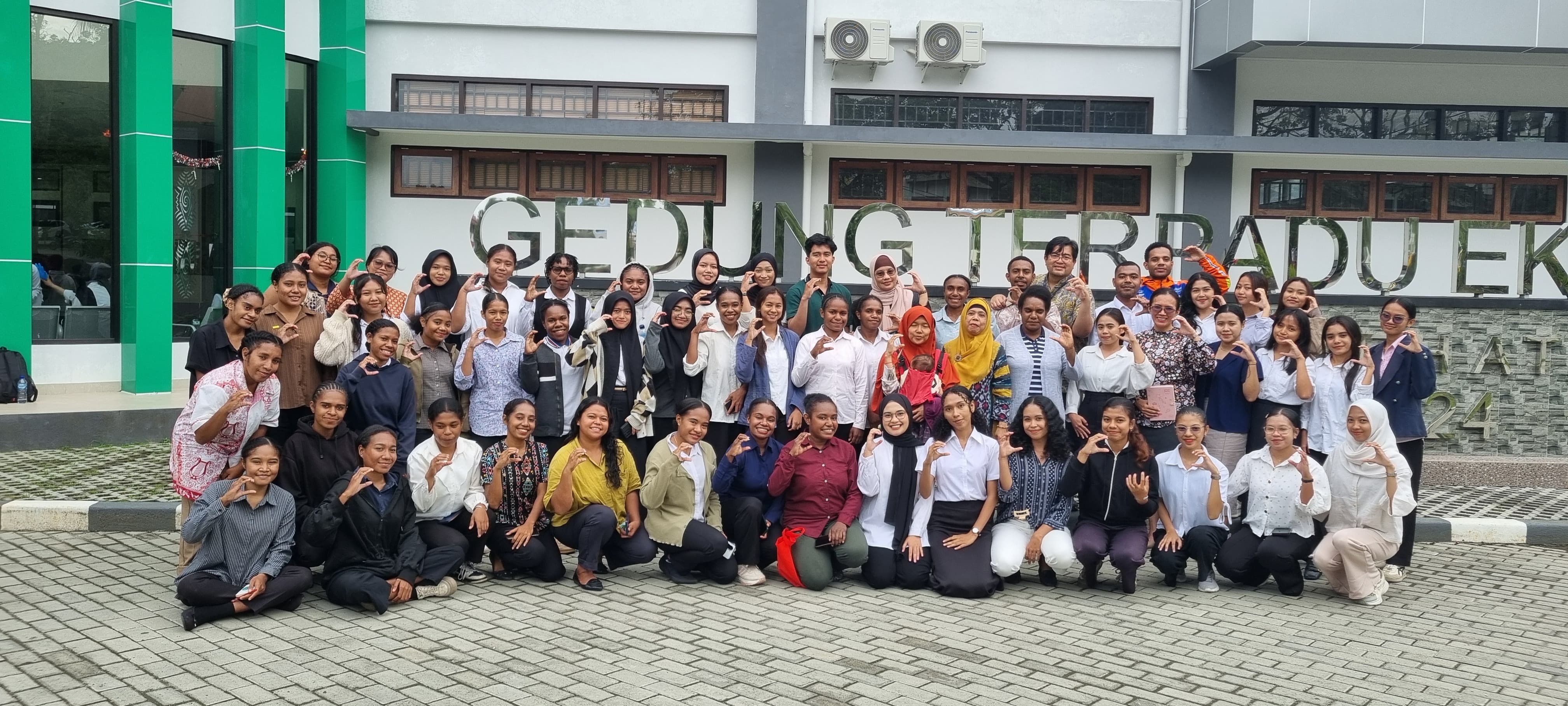
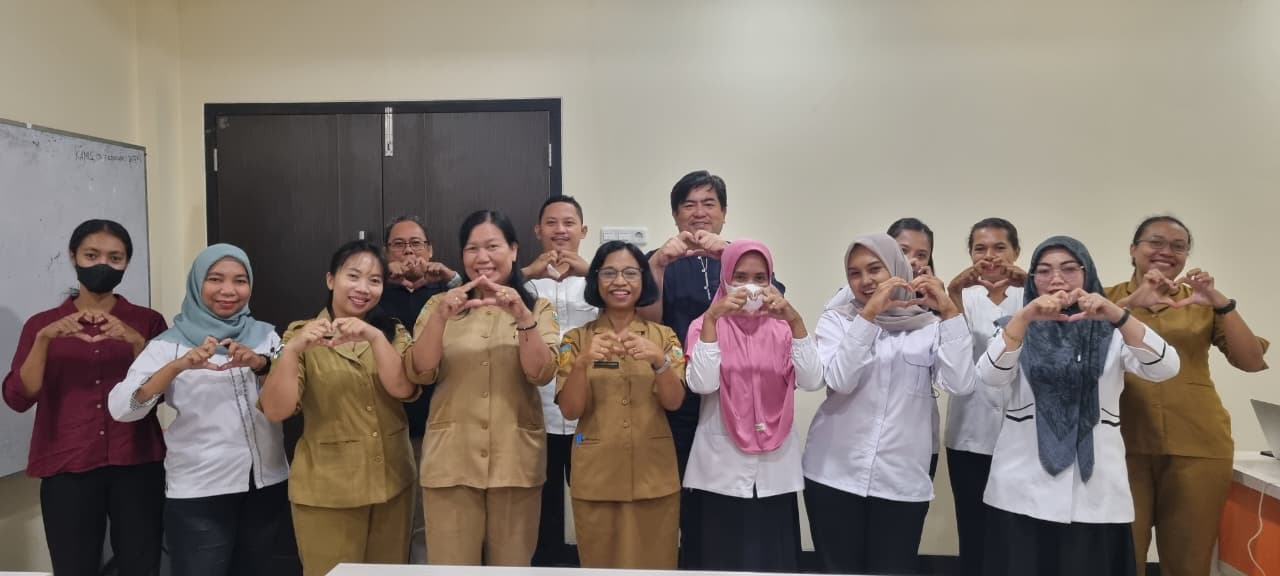
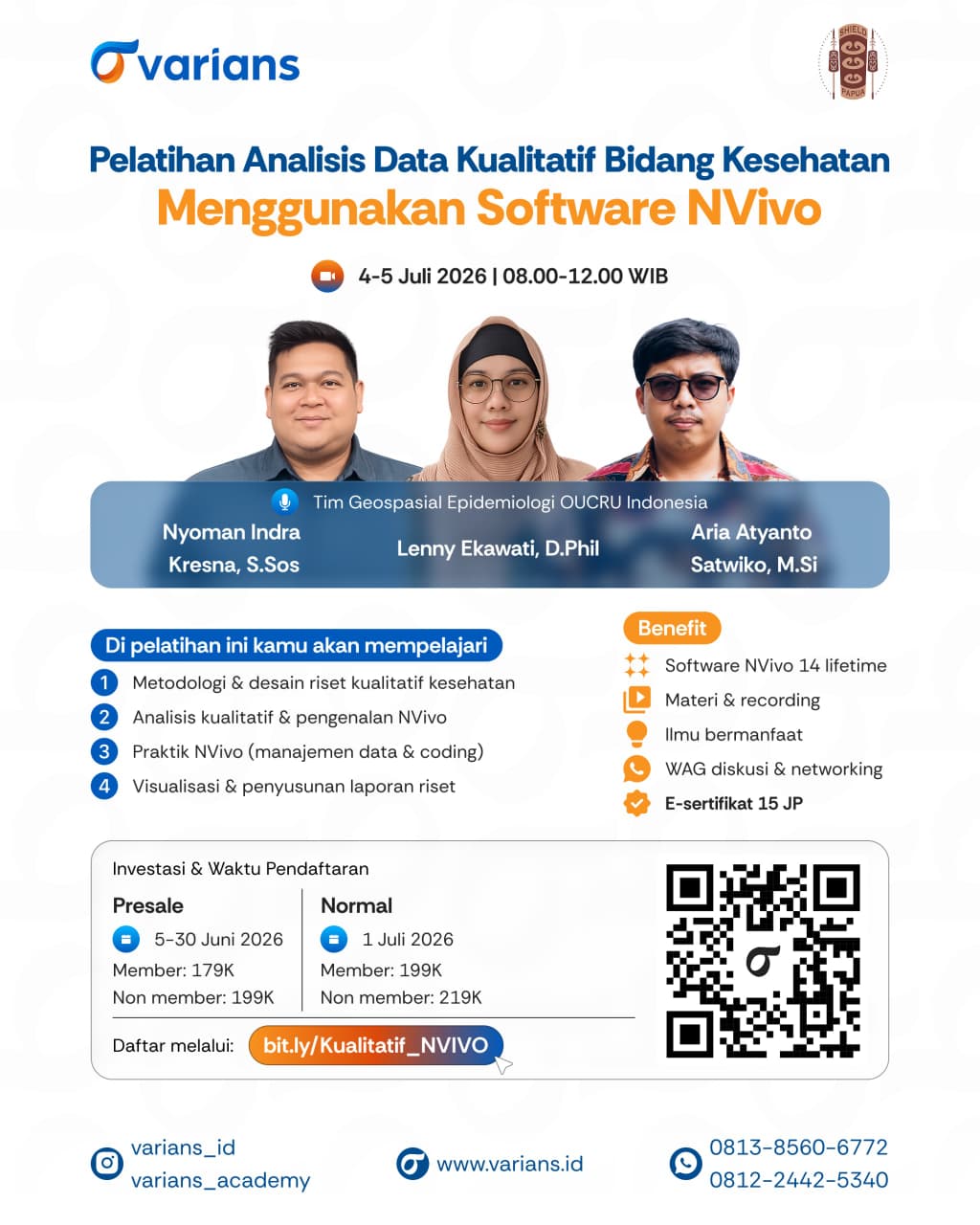
On Wednesday, December 17, 2025, dozens of fifth-semester students from the Nursing Study Program, Faculty of Medicine, Cenderawasih University (UNCEN), participated in a public lecture titled "From Interviews to Themes: Qualitative Data Collection and Analysis Techniques." The session was delivered by Lenny L. Ekawati, a geo-cultural researcher from OUCRU Indonesia and manager of the SHIELD PAPUA program. The lecture provided a bridge between theoretical methodology and real-world application in the Papuan health landscape.
The lecture provided deep insights into several key areas:
- The Essence of Qualitative Research: Shifting the focus from statistics to human stories and the systematic interpretation of textual information.
- Key Data Collection Techniques: Practical guidance on In-Depth Interviews (IDI), Focus Group Discussions (FGD), and observations, emphasizing the researcher's role as the primary "instrument."
- Real-World Case Studies: Using examples from the field, such as community perceptions of malaria and the challenges faced by health volunteers (Kader) in managing HIV and TB.
- From Coding to Policy: Demonstrating how to transform raw interview transcripts into meaningful themes through manual coding, which can then inform public health recommendations.
- Refining Research Topics: Students engaged in discussions about potential qualitative studies, ranging from the experiences of families living with diabetes to smoking habits among youth.
The interactive session highlighted that effective research in Papua requires not only technical precision but also a high degree of cultural sensitivity. By learning to navigate the norms and emotions of the communities they study, these future nurses are better equipped to advocate for their patients' needs.
This public lecture serves as a cornerstone for strengthening local research capacity in Jayapura. It is hoped that by empowering nursing students with these qualitative tools, they will contribute to a body of evidence that is both scientifically rigorous and deeply rooted in the unique social fabric of Papua, ultimately leading to more compassionate and effective healthcare outcomes.
Tags:
Tags: