Posted By

About Us
Lorem ipsum dolor sit amet, consectetur elit, sed do eiusmod tempor incididunt ut labore et magna aliqua.
Get a free quote
Linking Mosquito Biting and Human Behaviour: HLC and HBO Training
-

-
Published on
August 28, 2026
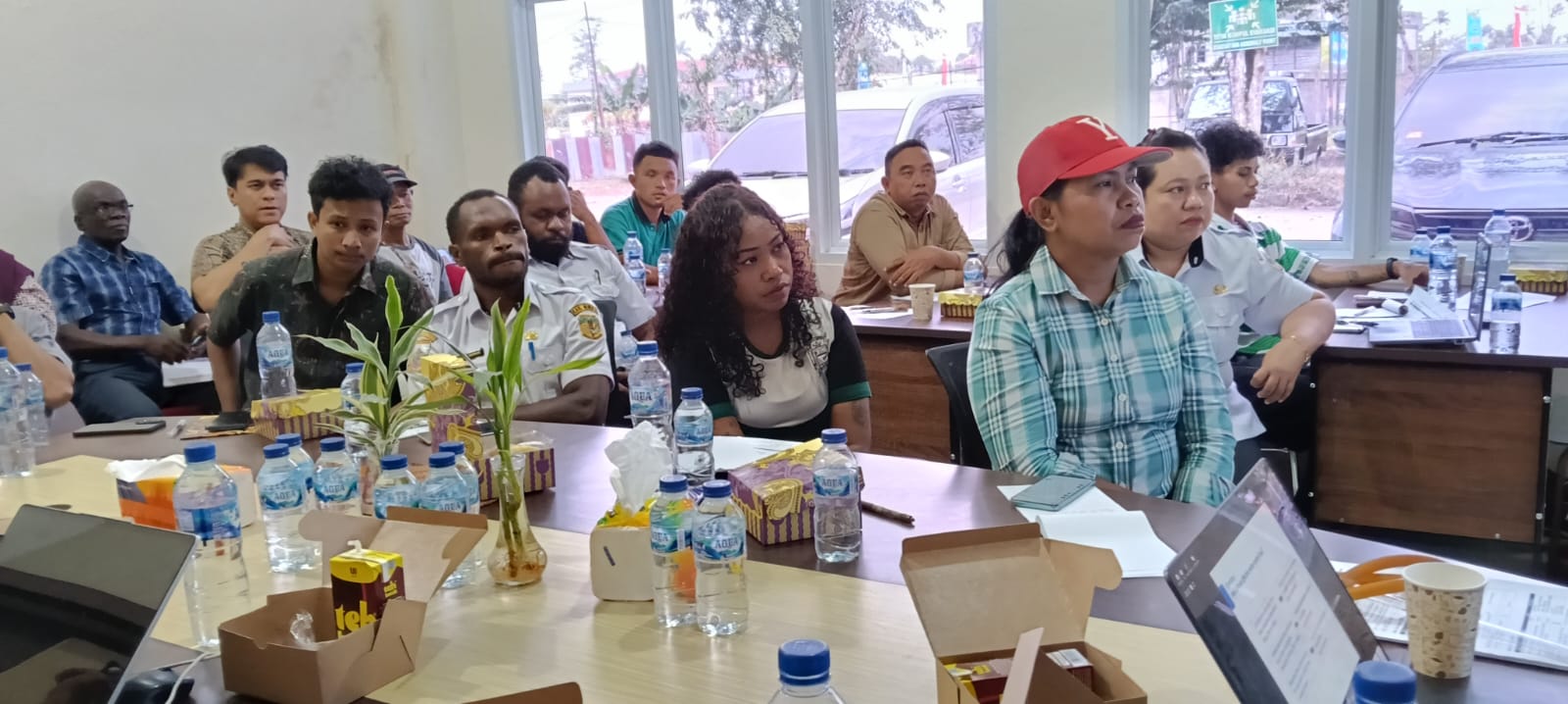
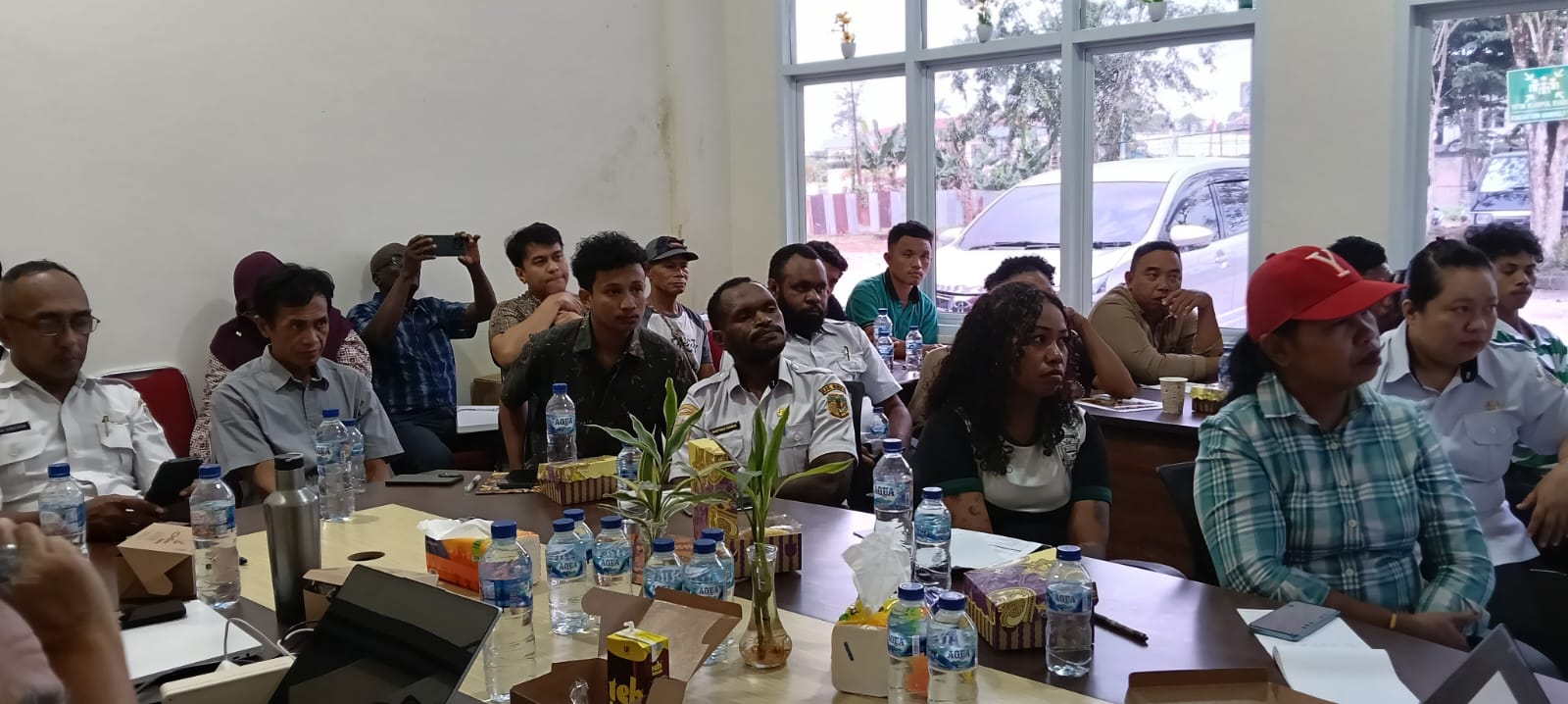
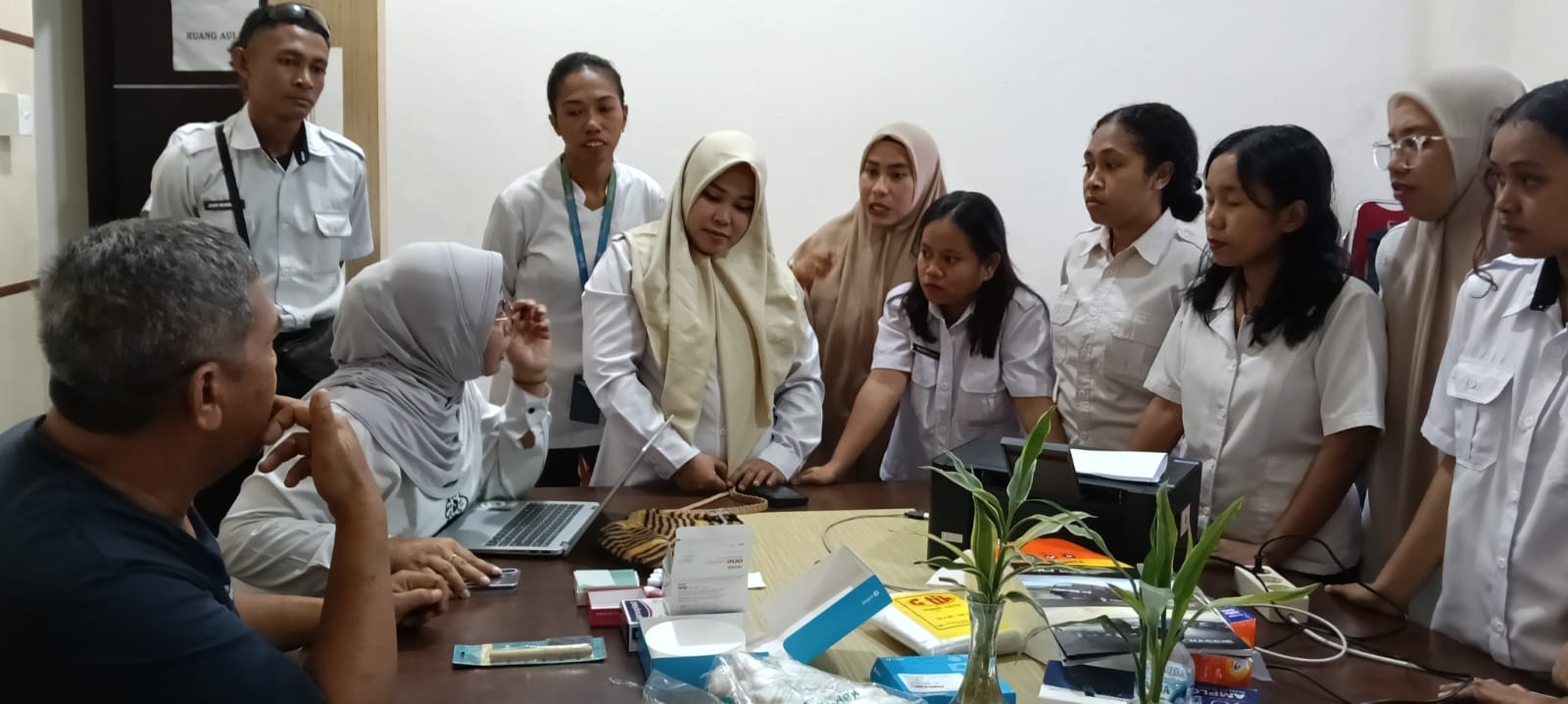
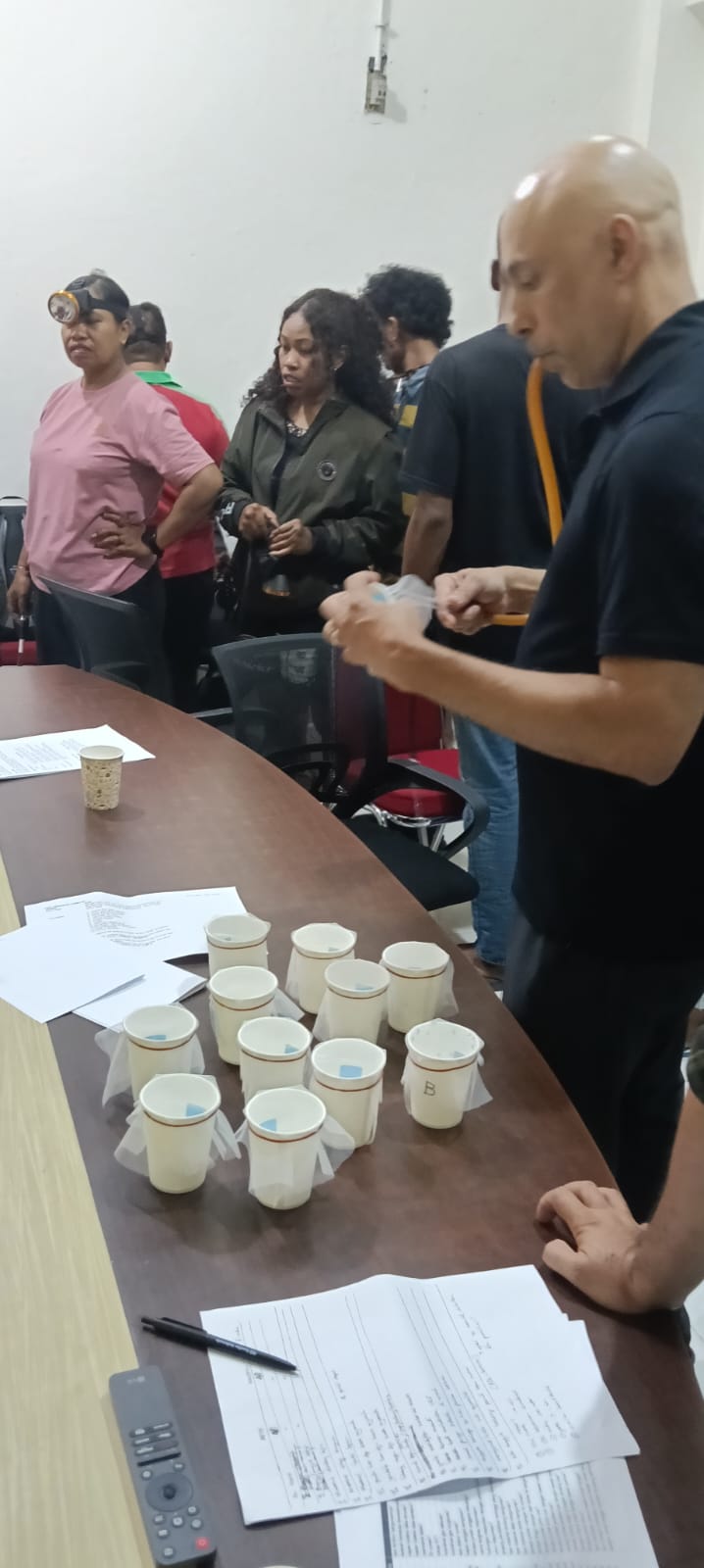
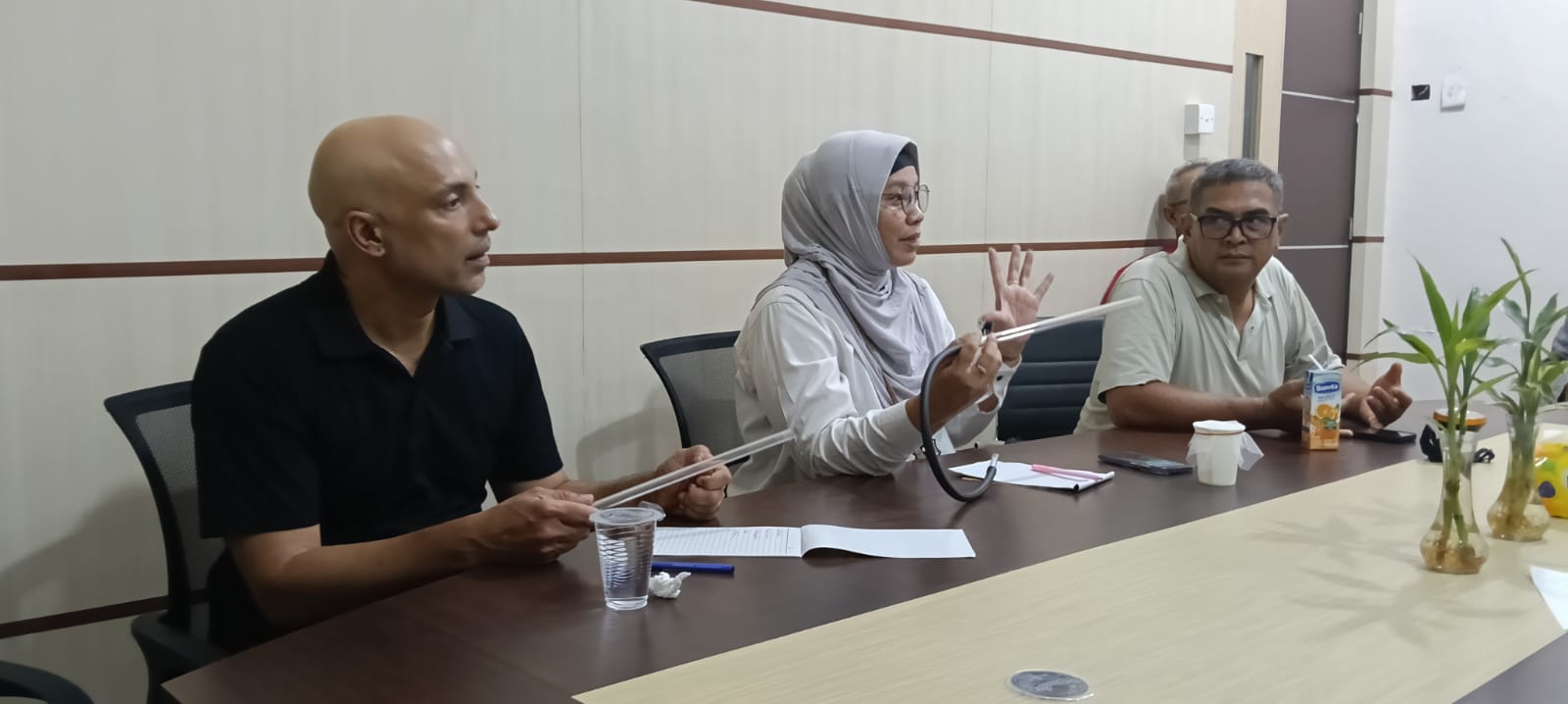
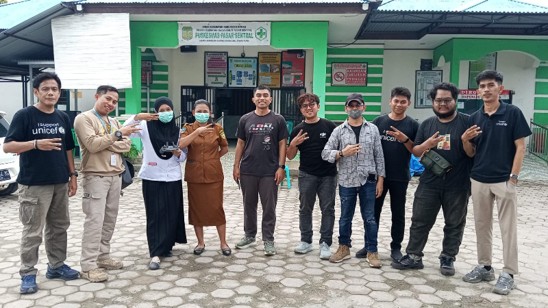
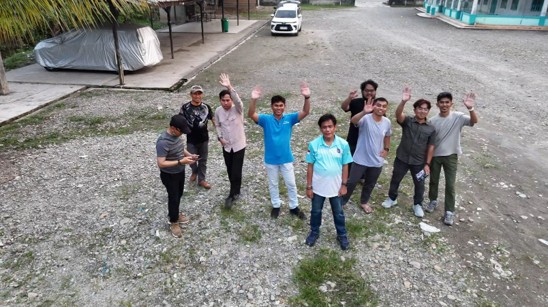
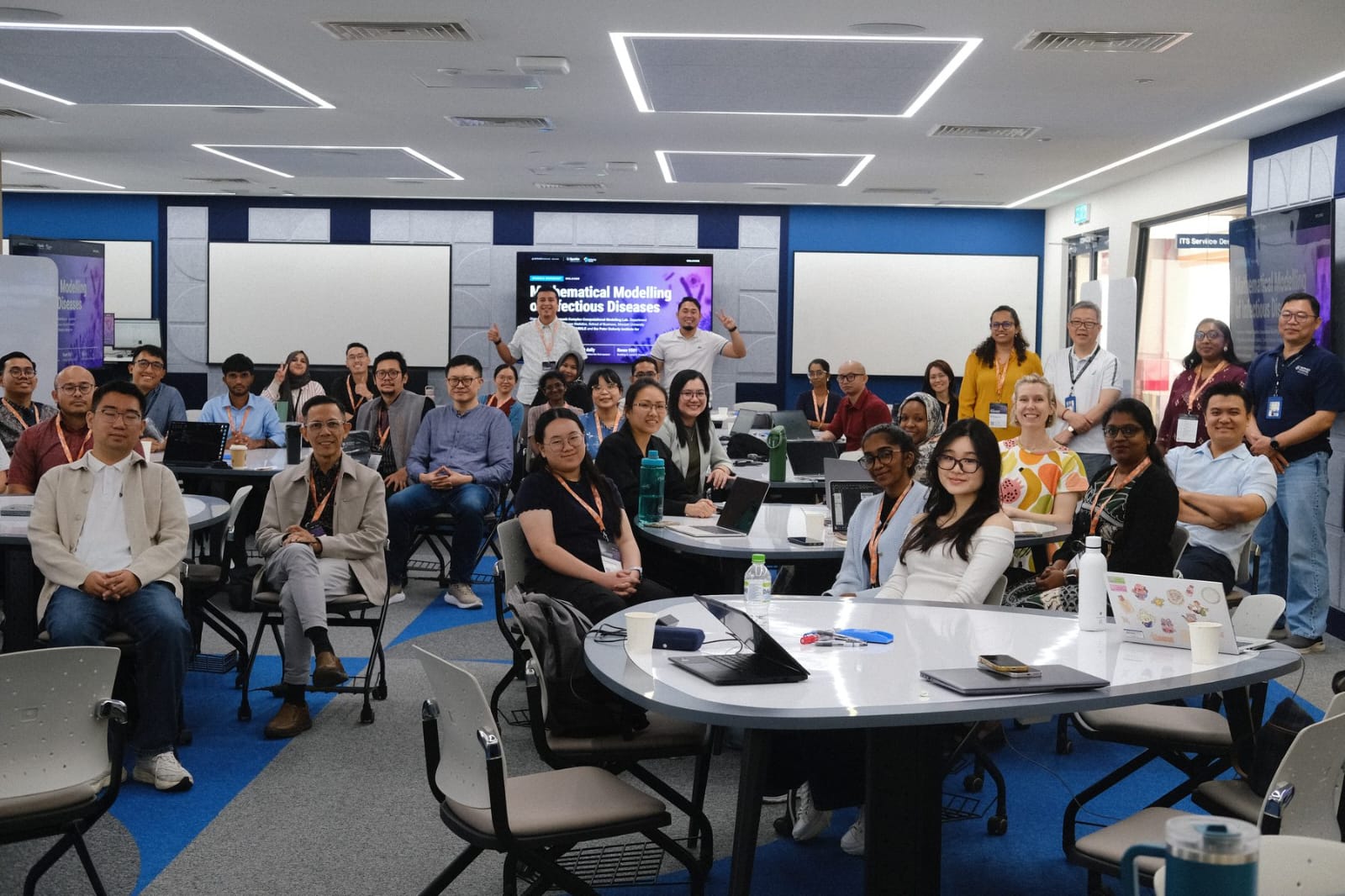
On August 27 2026, the field research team participated in specialised training on Human Landing Catch (HLC) and Human Behaviour Observations (HBO). The training was delivered by Professor Neil Lobo, Research Professor at the University of Notre Dame, and Professor Din Syafruddin, Professor of Parasitology at the Faculty of Medicine, Hasanuddin University.
The session strengthened participants’ understanding of how mosquito-biting patterns and human behaviour can be studied together to produce a more realistic picture of potential malaria exposure. Mosquito density alone does not determine exposure: the risk of contact also depends on where people spend their time, whether they are awake or asleep, and whether they are using protective measures such as bed nets. Integrating entomological and human behavioural data therefore helps researchers identify when and where gaps in protection may occur. Published research on human–vector interactions supports this combined approach.
Measuring mosquito-biting activity through HLC
HLC is widely regarded as a reference method for measuring human-biting rates and the behaviour of host-seeking mosquitoes. It provides information about the number of mosquitoes attempting to feed, their preferred biting locations and the hours during which biting activity is highest.
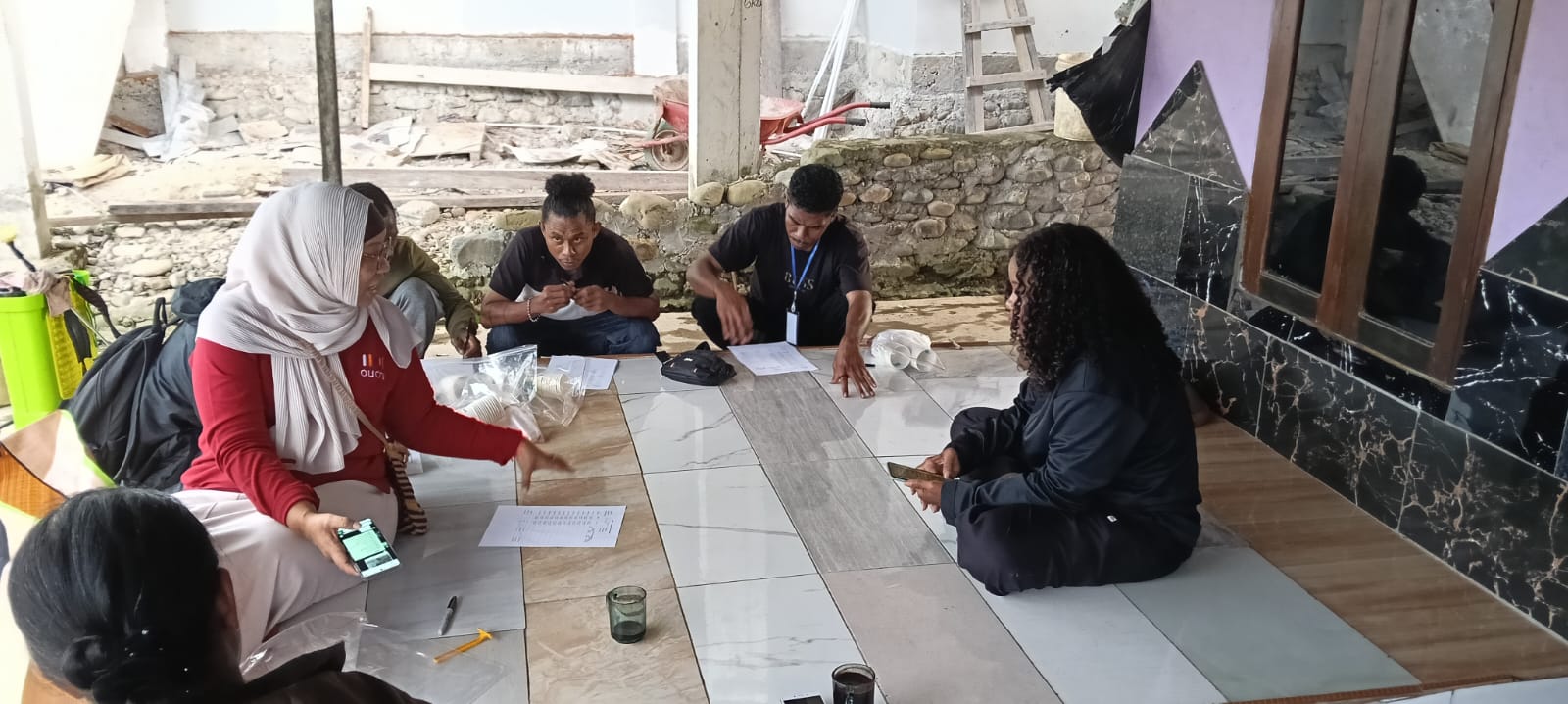
During an HLC, trained collectors are positioned indoors and outdoors. With only the lower legs exposed, they use filtered oral aspirators to capture mosquitoes as soon as they land and, wherever possible, before the mosquitoes begin to bite. The specimens are transferred into clearly labelled collection cups for each hourly interval.
The training emphasised the importance of maintaining the identity of every sample. Labels and data forms must accurately record the date, location, collection point, indoor or outdoor position, hourly interval and collector. Samples from different locations, collectors or time periods must not be combined unless this is specifically permitted by the study protocol.
Participants also learned that collection effort must be documented accurately. Breaks, interruptions, delayed starts, equipment problems and any departures from the protocol should be recorded. Even an hourly count of zero mosquitoes is a valid result and must be entered rather than left blank.
Collector rotation was also discussed as an important quality-control measure. Because people can differ in their attractiveness to mosquitoes and in their collection skills, rotating collectors between designated positions can help to reduce bias.
Protecting collectors and maintaining ethical standards
HLC requires particularly careful ethical and safety safeguards because collectors may be exposed to potentially infectious mosquitoes. The method must therefore be undertaken only within an approved research protocol, with properly trained participants who have provided informed consent.
The training covered the use of protective clothing, filtered aspirators, reliable communication, emergency contacts, first-aid supplies and active field supervision. Appropriate arrangements for malaria prevention, screening, diagnosis and treatment must also be established in accordance with the approved protocol and local requirements. International HLC operating guidance similarly stresses informed consent, risk assessment and access to appropriate malaria services.
Understanding human behaviour through HBO
HBO adds the human dimension to entomological surveillance. At the end of each hourly interval, trained observers record how many people are indoors and outdoors. Each person is classified as awake or asleep, while those who are sleeping are recorded as being either under a properly installed bed net or without adequate bed-net protection.
Observations should be conducted discreetly and consistently so that normal household activities are not disturbed. HBO records must also be aligned with HLC data from the same household, date and hourly interval. This synchronisation enables researchers to compare mosquito-biting activity directly with the location and behaviour of the people who may be exposed.
For example, high outdoor mosquito activity in the early evening may represent an important protection gap if many people remain outside during the same period. Conversely, high indoor biting late at night may have different implications if most residents are already sleeping under bed nets.
Producing a clearer picture of potential exposure
When HLC and HBO data are examined together, researchers can move beyond simply asking how many mosquitoes were collected. They can investigate whether mosquito activity coincides with human presence, whether exposure is more likely indoors or outdoors, and how much of that exposure occurs while people are awake, asleep or protected by bed nets.
These measurements represent potential exposure to mosquito bites rather than confirmed malaria infections. Their interpretation must therefore be supported by mosquito identification, laboratory findings where applicable, information about vector competence and other epidemiological evidence.
The training delivered by Professor Lobo and Professor Syafruddin provided an important foundation for collecting these data safely, consistently and responsibly. By linking mosquito behaviour with the realities of everyday human activity, HLC and HBO can support a more accurate assessment of protection gaps and help guide locally appropriate malaria-vector-control strategies.
Tags:
Tags: