
Published On

About Us
Lorem ipsum dolor sit amet, consectetur elit, sed do eiusmod tempor incididunt ut labore et magna aliqua.
Get a free quote
Second-Phase Evaluation of the PERKASA Community Health Worker Programme: Community Acceptance, Field Performance, Operational Challenges, and Sustainability
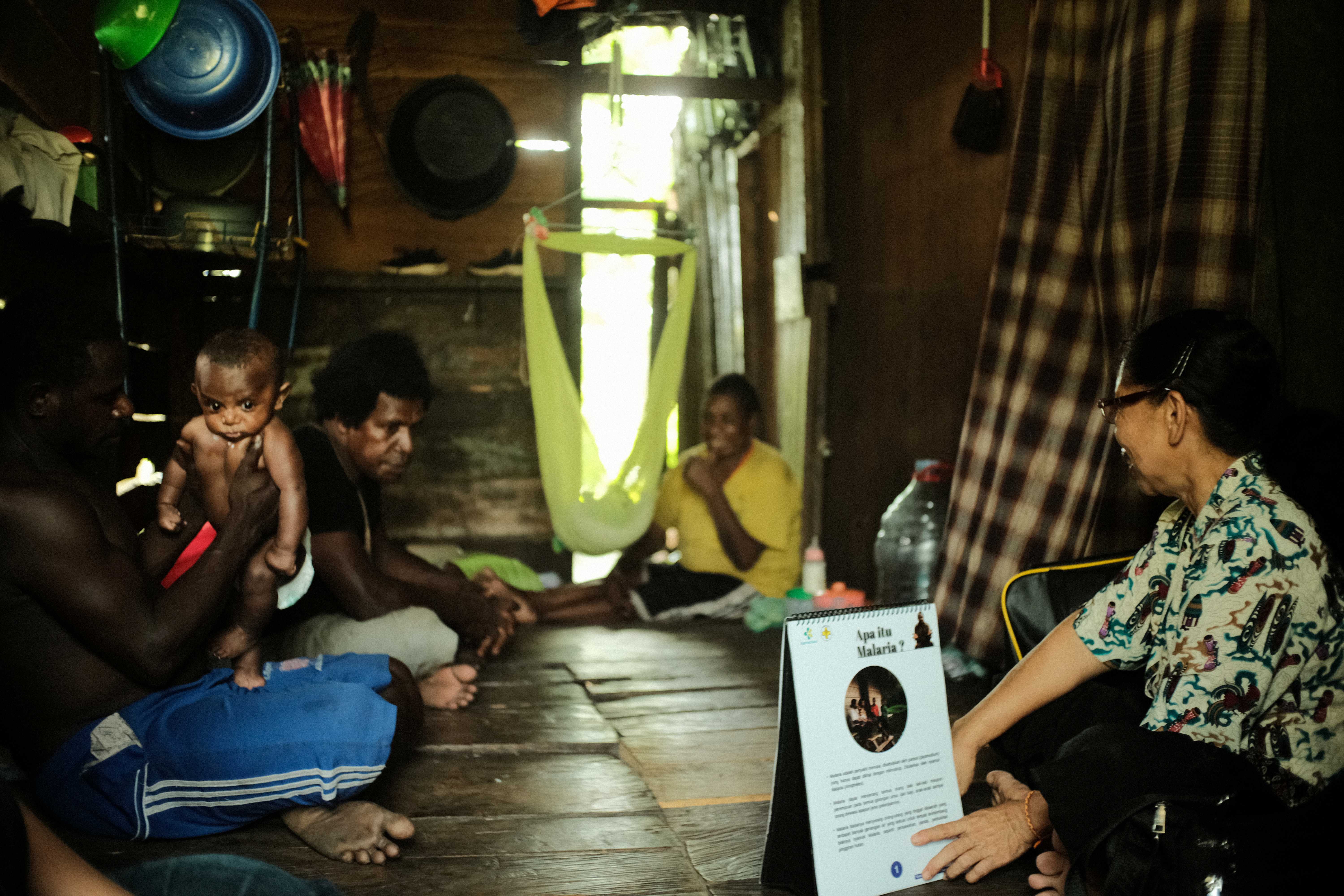
The success of integrated health programmes relies not only on the readiness of health facilities, healthcare workers, and referral systems. It also depends on whether communities accept, trust, and engage with these programmes in their daily lives. For this reason, following the initial assessment of system readiness, the second phase of the evaluation focused on how PERKASA Integrated Community Health Workers (ICHWs) were performing in practice and how local communities responded to their expanded role in malaria, HIV, and tuberculosis (TB) education, early detection, and referral.
The PERKASA ICHWs Programme is implemented by PERDHAKI and evaluated by OUCRU Indonesia. This second-phase evaluation provides valuable insight into how an integrated community health worker model operates within the diverse social and cultural settings of Papua. In many ways, this phase served as a real-world test of whether the integrated approach could move beyond a promising concept and function effectively, safely, and sustainably within communities.
By examining both community perceptions and field performance, the evaluation identified a number of practical challenges that emerged after training. These included stigma surrounding HIV and TB, barriers within the referral system, shortages of personal protective equipment, logistical constraints, and the need for ongoing support from Puskesmas staff. Understanding these realities is essential for ensuring that programme improvements are guided by evidence from the field rather than assumptions alone.
OUCRU Indonesia has completed the second-phase evaluation of the PERKASA Programme in Merauke, Nabire, and Jayapura. The evaluation focused on programme implementation at community level, with particular attention to community acceptance, CHW performance, operational challenges, and long-term sustainability. It also captured the experiences of PERKASA CHWs as they transitioned from training into active community service.
Several key findings emerged from the evaluation are as follows:
- Strong community acceptance. PERKASA CHWs were generally well accepted and trusted by local communities. Their close social connections and shared community backgrounds were important strengths. In many settings, CHWs acted not only as health educators but also as trusted links between households, communities, and health facilities.
- Post-training performance showed both strengths and areas for improvement. CHWs demonstrated strong interpersonal communication skills and were generally confident in delivering basic health education. However, further support is needed in technical areas such as referral documentation, reporting, record keeping, and the delivery of more complex HIV and TB messages.
- Referral systems require further strengthening. The evaluation found that effective referrals depend not only on community willingness but also on the responsiveness of health services. Clearer referral pathways, stronger follow-up mechanisms, and better feedback between Puskesmas and CHWs are needed to ensure that responsibility does not fall disproportionately on community workers.
- HIV and TB stigma remains a significant challenge. Many CHWs reported difficulties discussing HIV and TB because these conditions remain sensitive topics in some communities. Future training should therefore place greater emphasis on empathetic communication, stigma reduction, and approaches that encourage trust and openness.
- Sustainability depends on local ownership and support. The evaluation highlighted the importance of formal recognition through official appointment letters, support from village governments, appropriate incentives, regular supervision, and reliable access to logistics and protective equipment. These elements are essential for maintaining motivation, ensuring safety, and strengthening the legitimacy of CHWs within the health system.
Overall, the second-phase evaluation suggests that the PERKASA Programme has considerable potential to strengthen integrated malaria, HIV, and TB services at community level. However, long-term success cannot rely on the commitment of CHWs alone. Sustainable implementation will require consistent institutional support, close supervision, adequate resources, and stronger referral and reporting systems. With these foundations in place, PERKASA has the potential to evolve from a pilot initiative into an important component of community-based healthcare in Papua.
This report is prepared as an internal document to support programme monitoring and accountability to implementing partners, funders and other key stakeholders. Access to the full is restricted to PERDHAKI, OUCRU ID, funders and relevant programme partners.
Tags:

Tags: