
Published on

About Us
Lorem ipsum dolor sit amet, consectetur elit, sed do eiusmod tempor incididunt ut labore et magna aliqua.
Get a free quote
SHIELD PAPUA Supports the Development of a Malaria Microscopy MOOC to Strengthen the Competencies of Medical Laboratory Technologists Across Indonesia
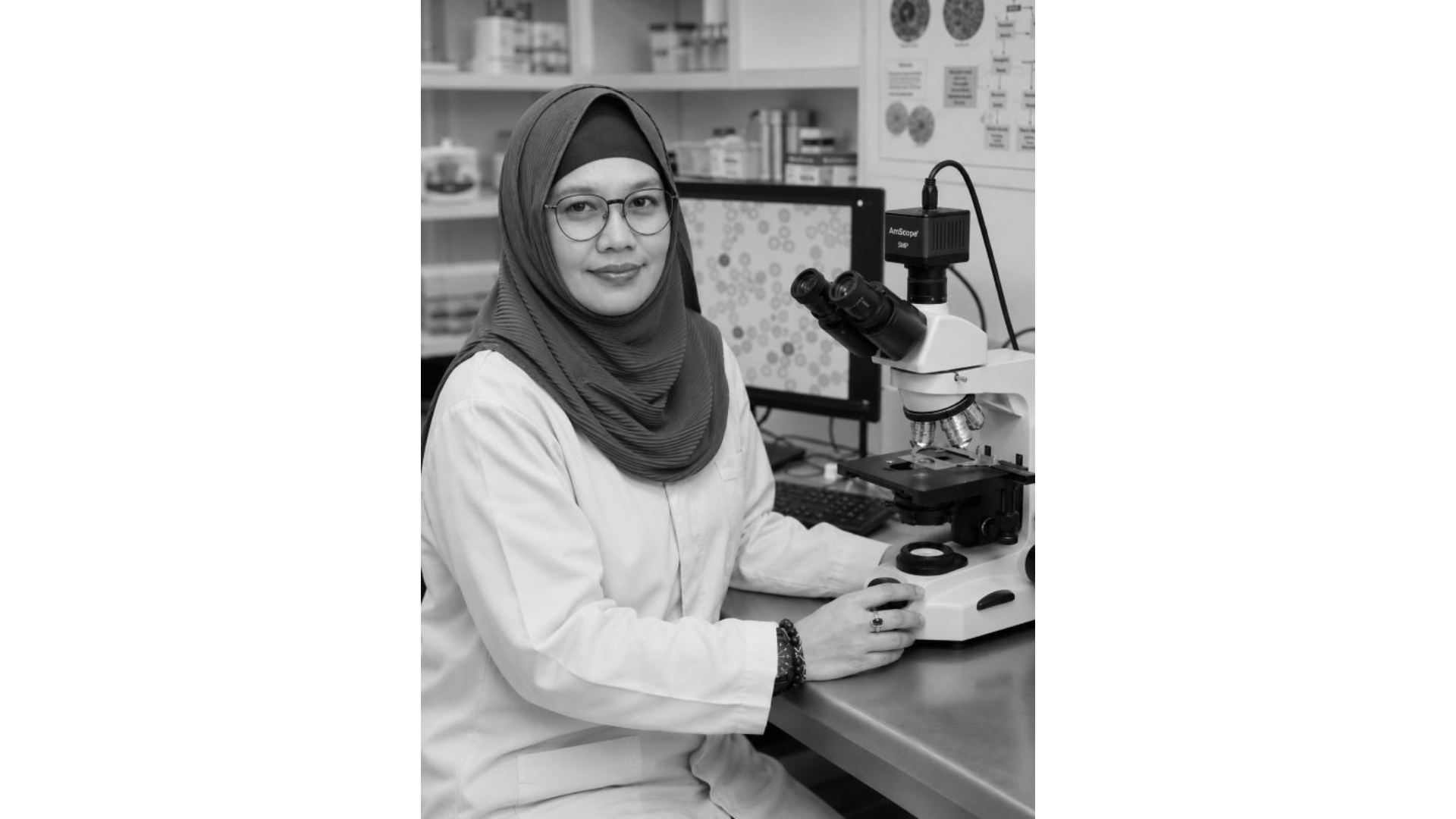
Dr Lenny L. Ekawati served as a member of the team responsible for developing the Massive Open Online Course (MOOC) Curriculum for Malaria Microscopy Examination for Medical Laboratory Technologists (ATLM). The curriculum was developed to expand access to standardised and flexible malaria microscopy training for laboratory professionals across Indonesia.
Her contribution focused primarily on developing the background section of the curriculum, which highlights the importance of strengthening ATLM capacity to support accurate and timely malaria diagnosis. This section positions malaria microscopy as a critical component of case management, surveillance, and the achievement of Indonesia’s national malaria elimination targets. Given the variation in laboratory capacity and the challenges of accessing training in endemic areas, the MOOC approach was identified as a practical and relevant strategy for reaching a wider health workforce without geographical barriers.
She also contributed to the development of the learning design for the training module on malaria control programme policy. The module covers the malaria elimination roadmap, patterns of malaria endemicity, the epidemiology of malaria in Indonesia, programme achievements, and malaria elimination strategies. This contribution reflects the recognition that microscopy training requires not only strong technical skills but also an understanding of the policy context and strategic direction of the national malaria programme.
The MOOC curriculum comprises several core modules, including malaria programme policy, an overview of malaria, microscope use and maintenance, preparation and staining of blood films, and identification of Plasmodium parasites. Training is delivered online through the Plataran Sehat platform, with both formative and summative assessments used to evaluate participants’ competencies.
Through this work, she helped support the development of a training model that is more responsive to the needs of laboratory personnel working in diverse settings. The initiative aims not only to strengthen the competencies of Medical Laboratory Technologists but also to improve the quality of malaria diagnosis as part of Indonesia’s broader malaria elimination agenda.
Tags:

Tags: