
Published on

About Us
Lorem ipsum dolor sit amet, consectetur elit, sed do eiusmod tempor incididunt ut labore et magna aliqua.
Get a free quote
SHIELD PAPUA to strengthen TB and HIV surveillance evidence in Indonesian Papua

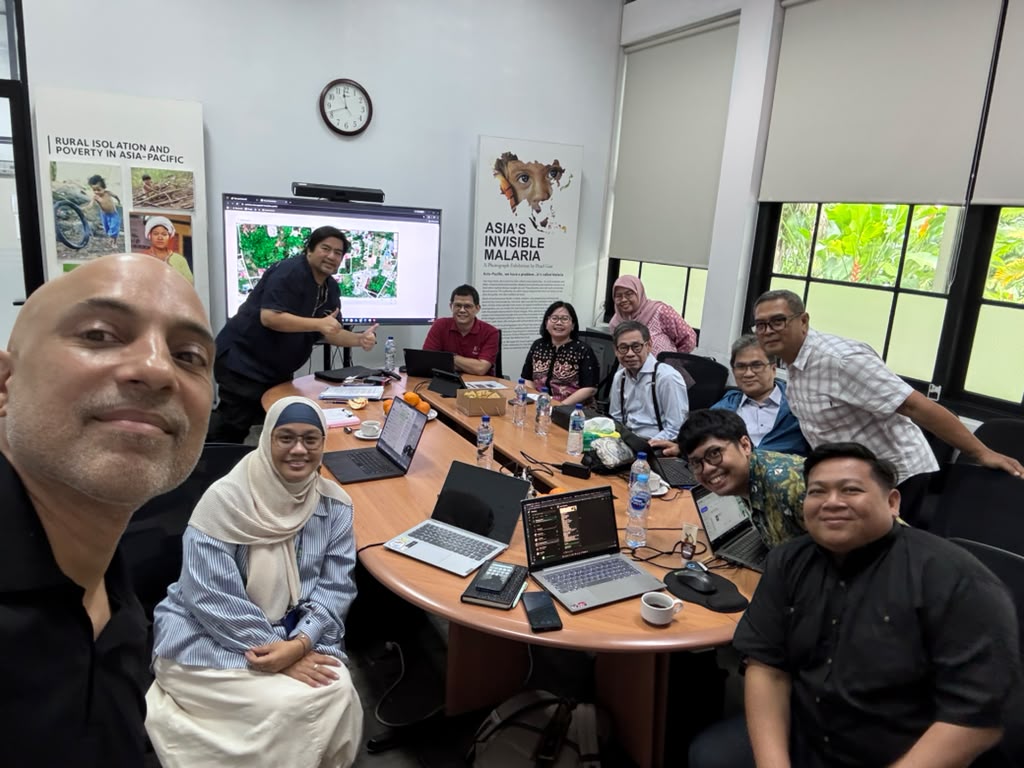
SHIELD PAPUA is expanding its work beyond malaria to support stronger evidence for tuberculosis (TB) and HIV control in Indonesian Papua. A new study led by OUCRU Indonesia researcher Ihsan Fadilah in collaboration with Universitas Cenderawasih, Papua Provincial Health Offices, and the Indonesian Ministry of Health, will examine how existing TB and HIV surveillance data can be better used to understand disease burden, transmission patterns, and gaps in service coverage.
Papua has a distinct infectious disease profile compared with many other parts of Indonesia. Although it represents a small proportion of the national population, the region carries a much higher burden of HIV and some of the country’s highest TB notification rates. These patterns are shaped by geography, uneven access to health services, mobility, and long-standing health system challenges. Yet many important questions remain unanswered: where are people being tested, where are cases being missed, and how complete are current reporting systems?
The study will review routine surveillance data from SITB, Indonesia’s TB information system, and SIHA, the national HIV information system. Researchers will assess data quality, completeness, reporting flows, and geographical coverage. The analysis will also describe how TB and HIV cases vary across districts, health facilities, and time.
Rather than creating a new reporting system, this work focuses on making better use of data that are already collected. By identifying strengths and weaknesses in current surveillance, the study aims to support more targeted planning by health authorities in Papua.
The findings will provide an important foundation for future TB and HIV interventions under SHIELD PAPUA. They will also help strengthen collaboration between researchers, public health programmes, and local institutions, ensuring that disease control strategies are grounded in the realities of Papua’s health system and communities.
Wishing you all the best with the study, Ihsan!
Tags:

Tags: