
Published on

About Us
Lorem ipsum dolor sit amet, consectetur elit, sed do eiusmod tempor incididunt ut labore et magna aliqua.
Get a free quote
Accelerating Priority Regions: Coordination for Malaria Elimination in 14 Priority Regencies Across Papua
The focus of malaria elimination in Indonesia is currently directed towards regions with the highest case burdens, specifically within 14 priority regencies and cities in Papua. As the largest contributors to malaria cases, the success of elimination in these areas will be the primary determinant for achieving the Malaria-Free Indonesia 2030 target. This effort requires intensive monitoring, periodic evaluation of follow-up plans, and continuous technical support for programme managers at the regional level.
Synchronising actions between central, provincial, and regency governments is vital to ensure that every operational intervention stays on track. Through regular coordination forums, field obstacles—ranging from the utilisation of funding support to the strengthening of surveillance strategies—can be promptly identified and addressed in each region.
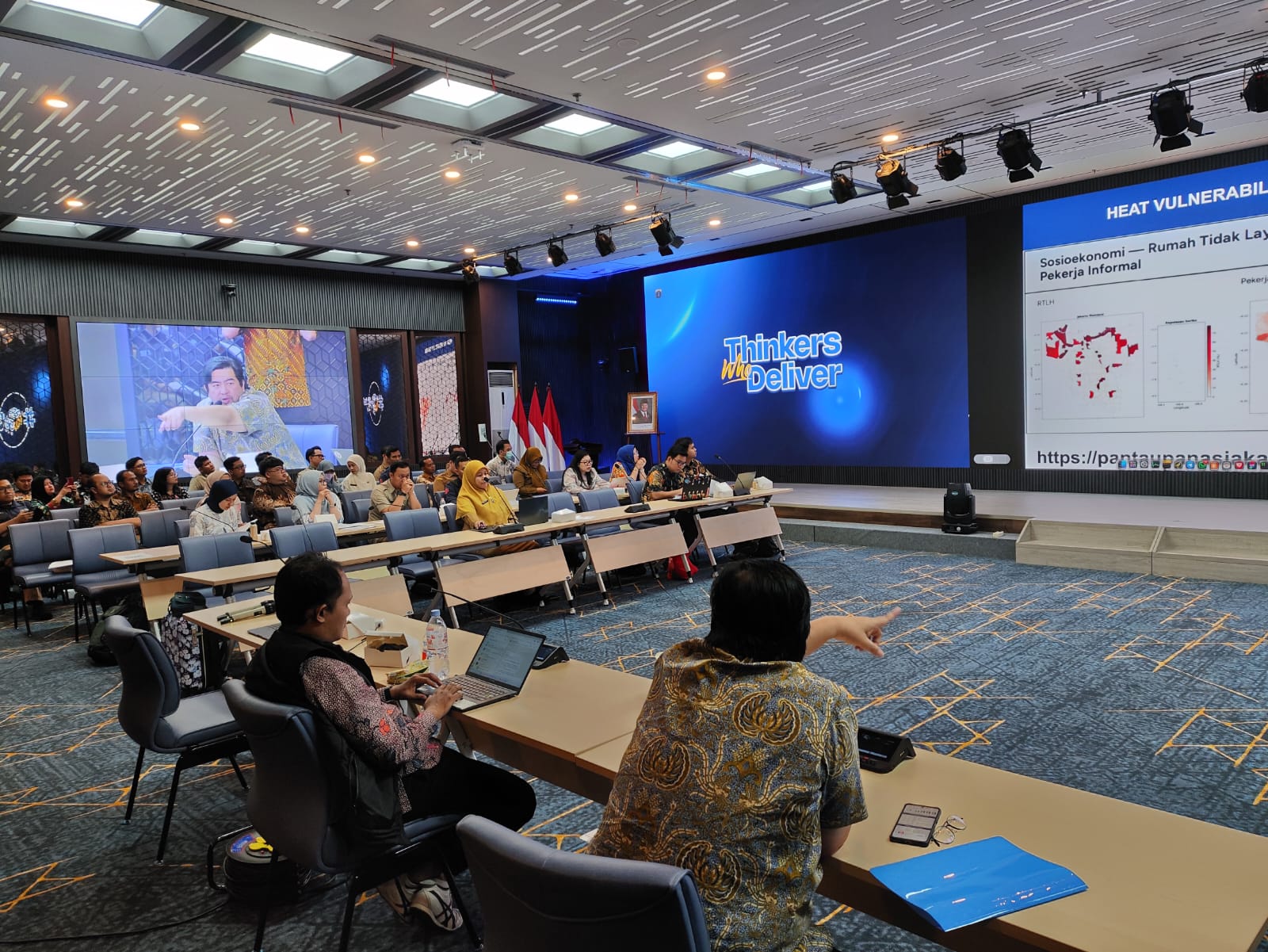
As part of this acceleration commitment, the Directorate General of Disease Prevention and Control of the Ministry of Health held a virtual coordination meeting on Monday, 16 December 2024. The gathering brought together malaria programme officers from 14 priority regions, including Mimika, Jayapura, Sarmi, and other key areas in Papua. During this session, Iqbal Elyazar, Ph.D. attended as a malaria expert to monitor progress and provide technical perspectives aimed at reinforcing the acceleration plans in these territories.
The meeting focused on progress reports from each regency, the optimisation of grant funding, and the alignment of new, more targeted intervention proposals. The synergy between regional government commitment and expert insights is expected to drive a significant reduction in case numbers within the heart of Indonesia's malaria-endemic regions.
Tags:

Tags: