
Published on

About Us
Lorem ipsum dolor sit amet, consectetur elit, sed do eiusmod tempor incididunt ut labore et magna aliqua.
Get a free quote
Creating Vector-Free Environments: Strengthening Environmental Management for Malaria Elimination
Malaria elimination efforts in Indonesia, particularly in high-endemic regions like Papua, require a broader approach beyond medical interventions. A crucial determinant is the environmental condition, which frequently serves as an effective breeding ground for mosquitoes near settlements. To permanently break the transmission chain, strengthening environmental management is essential to creating an ecosystem that is inhospitable to the proliferation of malaria vectors.
The integration of environmental management with disease control strategies is part of a national commitment aligned with the Presidential Instruction (Inpres) initiative on Accelerating Malaria Elimination. By involving relevant sectors in urban planning, water drainage management, and environmental sanitation, it is expected that malaria incidence can be significantly reduced through sustainable environmental modification.
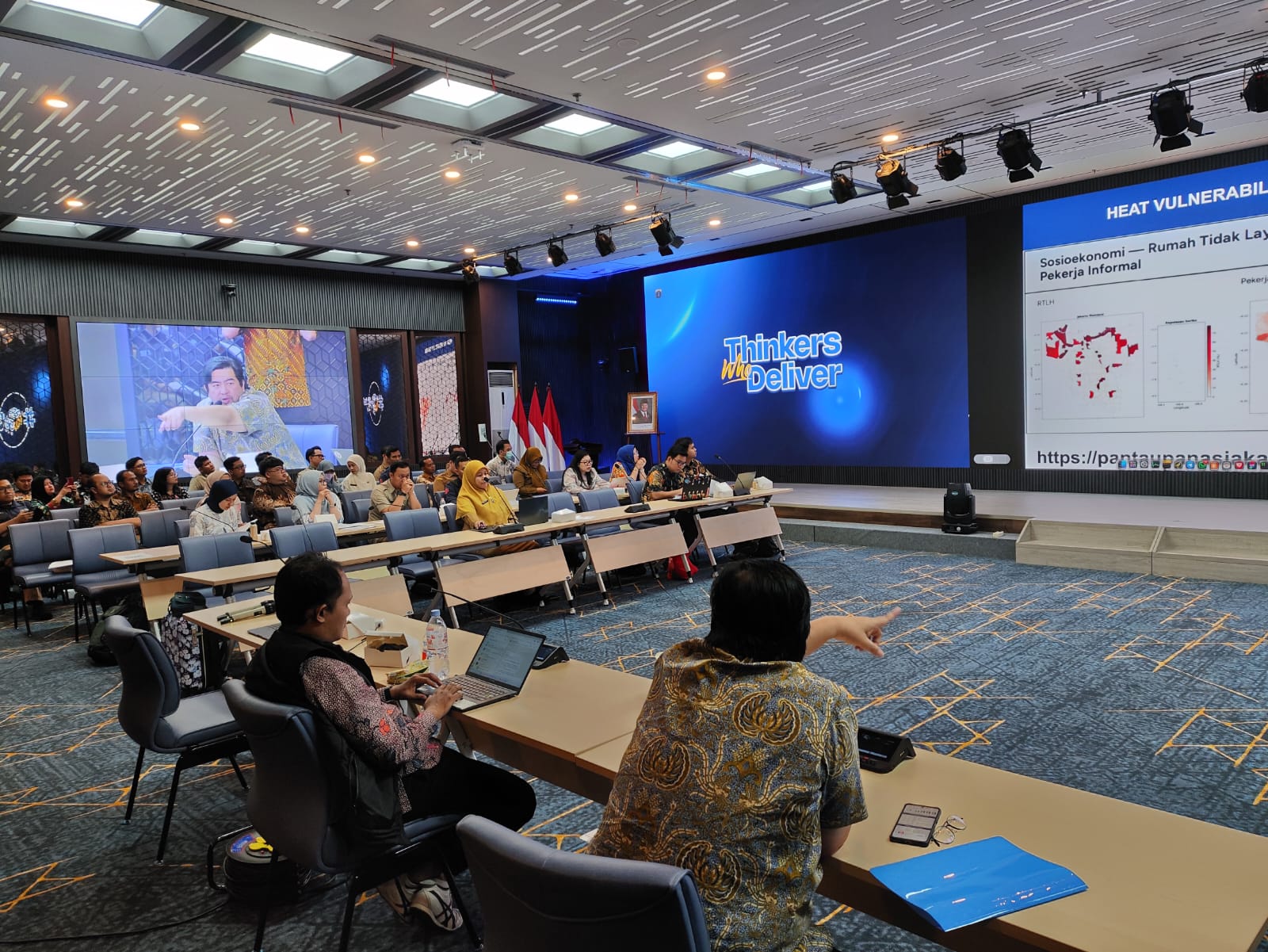
As a concrete step to synchronise this strategy, the Directorate General of Disease Prevention and Control of the Ministry of Health organised a consultative meeting on strengthening environmental management on Friday, 1 August 2025. The virtual gathering brought together relevant ministries, agencies, and experts in infectious diseases and the environment. During the discussions, Iqbal Elyazar, Ph.D. attended as a malaria expert to provide technical input regarding risk area mapping and to help formulate environment-based intervention recommendations for the national strategy.
These discussions are expected to produce a solid cross-sectoral follow-up plan to ensure that environmental management becomes an inseparable part of malaria elimination operations in the field. The synergy between government policy and expert insights is a vital asset in achieving the 2030 Malaria-Free Indonesia target through healthy and well-maintained environments.
Tags:
Tags: