Posted By

About Us
Lorem ipsum dolor sit amet, consectetur elit, sed do eiusmod tempor incididunt ut labore et magna aliqua.
Get a free quote
Application of Qualitative Methods for Public Health Research in Papua
-

-
Published on
December 09, 2025
Papua faces complex challenges in controlling infectious diseases, with the prevalence of malaria, HIV/AIDS, and tuberculosis (TB) often exceeding the national average. Beyond geographical hurdles, ethnic and cultural diversity, along with disparities in healthcare access, are key determinants of the disease burden in the region. In this context, qualitative research is crucial for understanding the underlying meanings, perceptions, local practices, and socio-cultural barriers that shape public health behaviors in Papua.
A qualitative approach allows researchers to explore the human side of health issues in depth, placing the researcher within the natural context to generate more contextual knowledge. By gaining a better understanding of local community perspectives, health intervention programs can be designed to be more targeted and culturally sensitive.
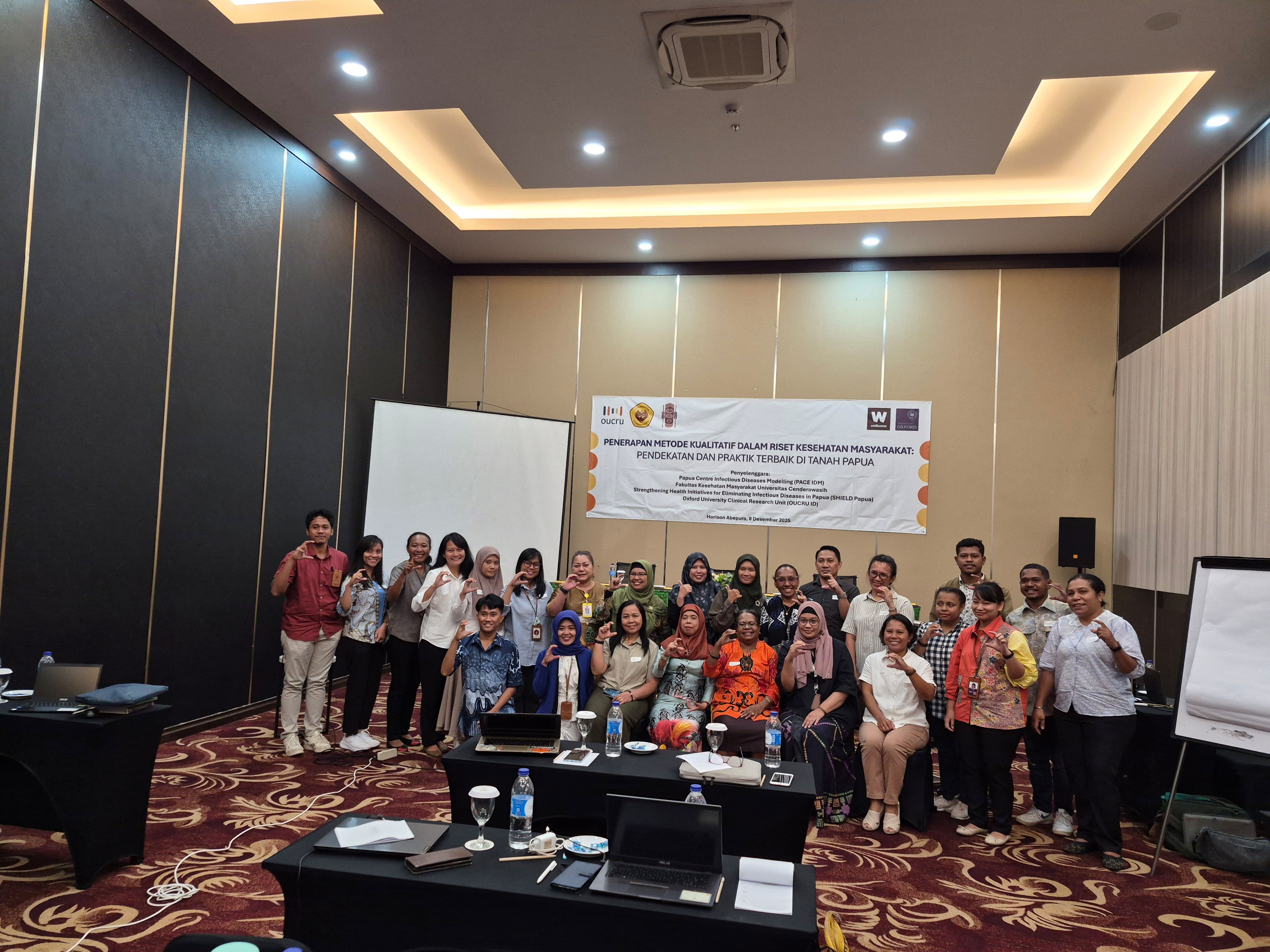
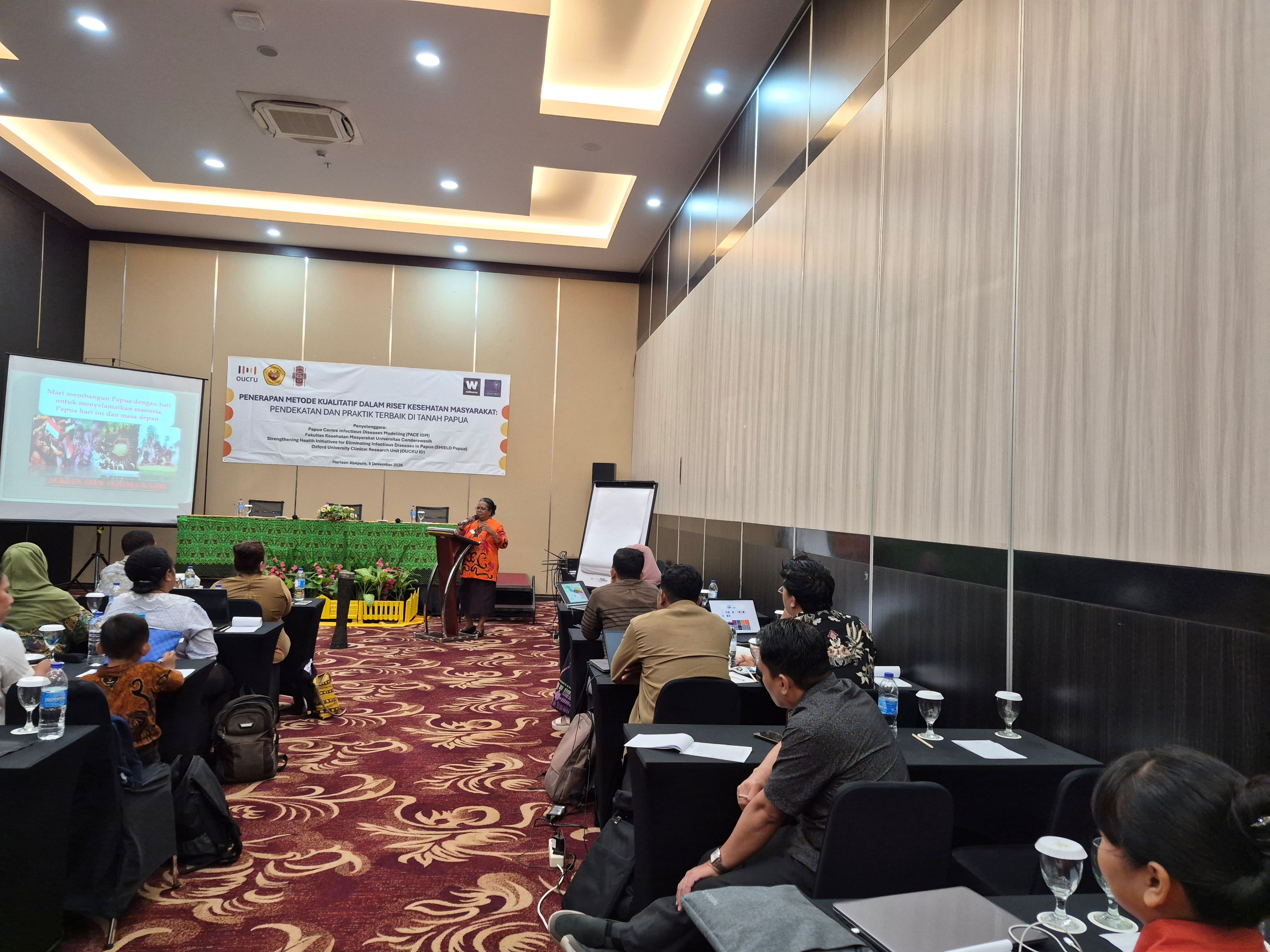
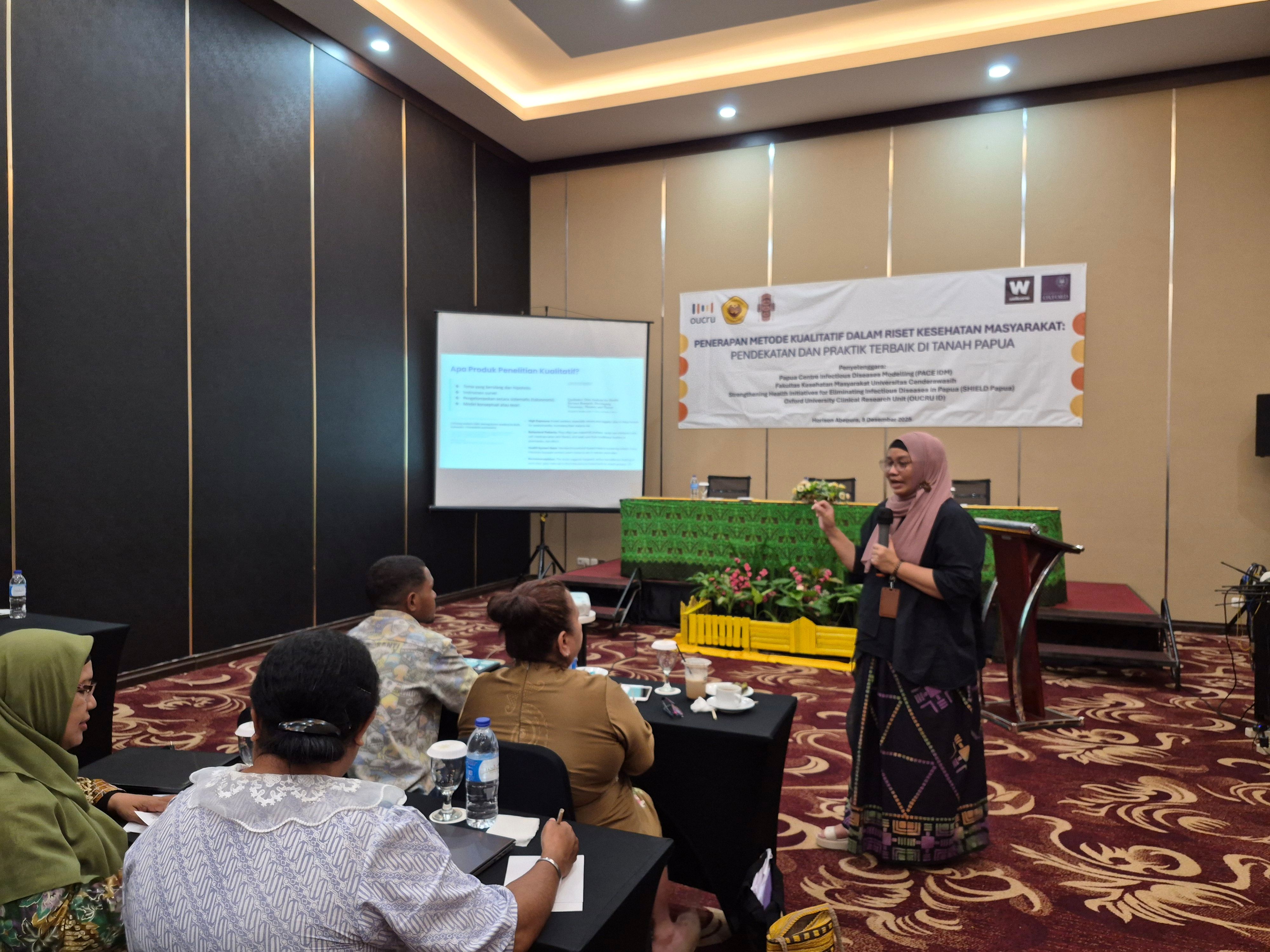
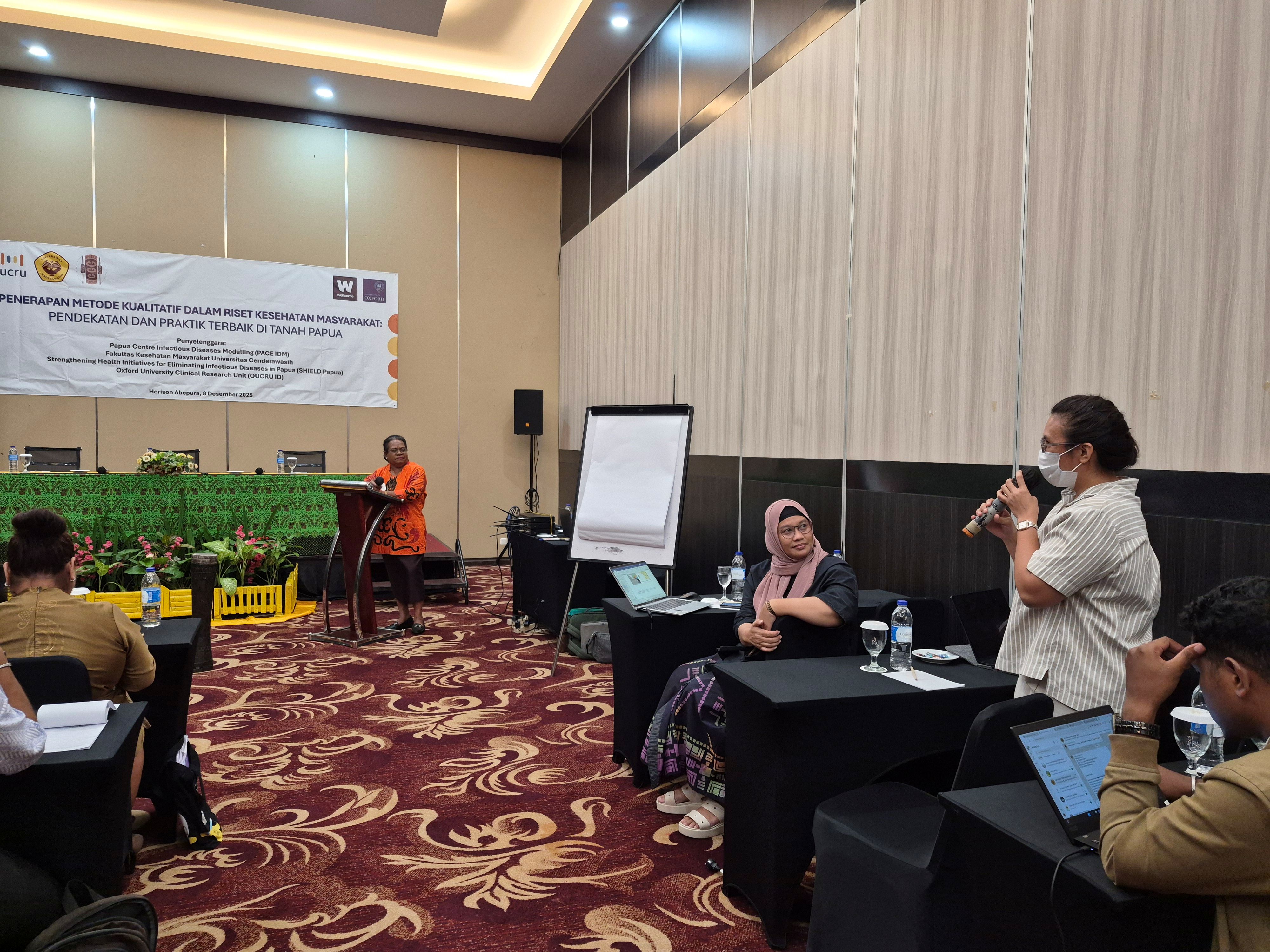
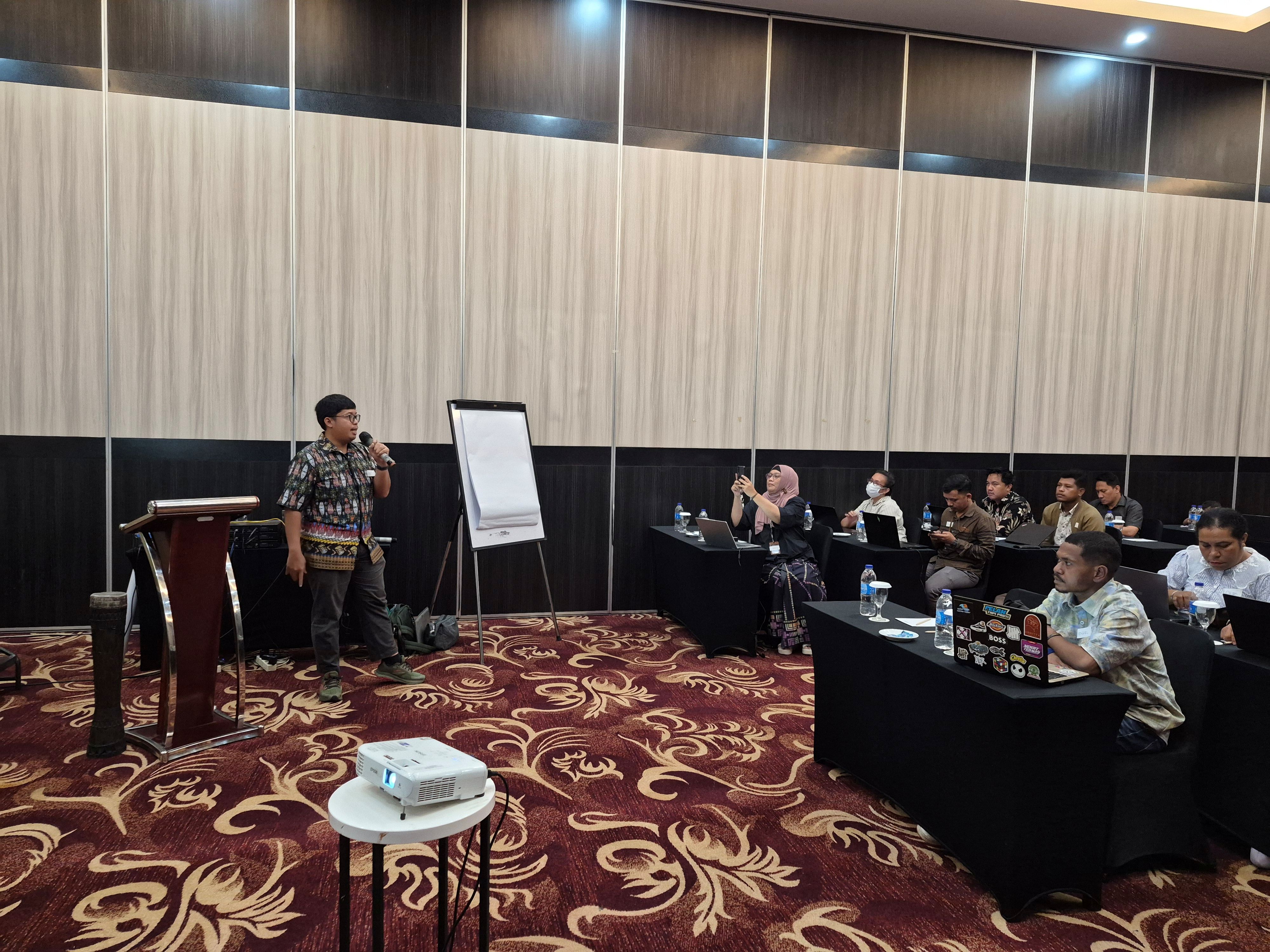
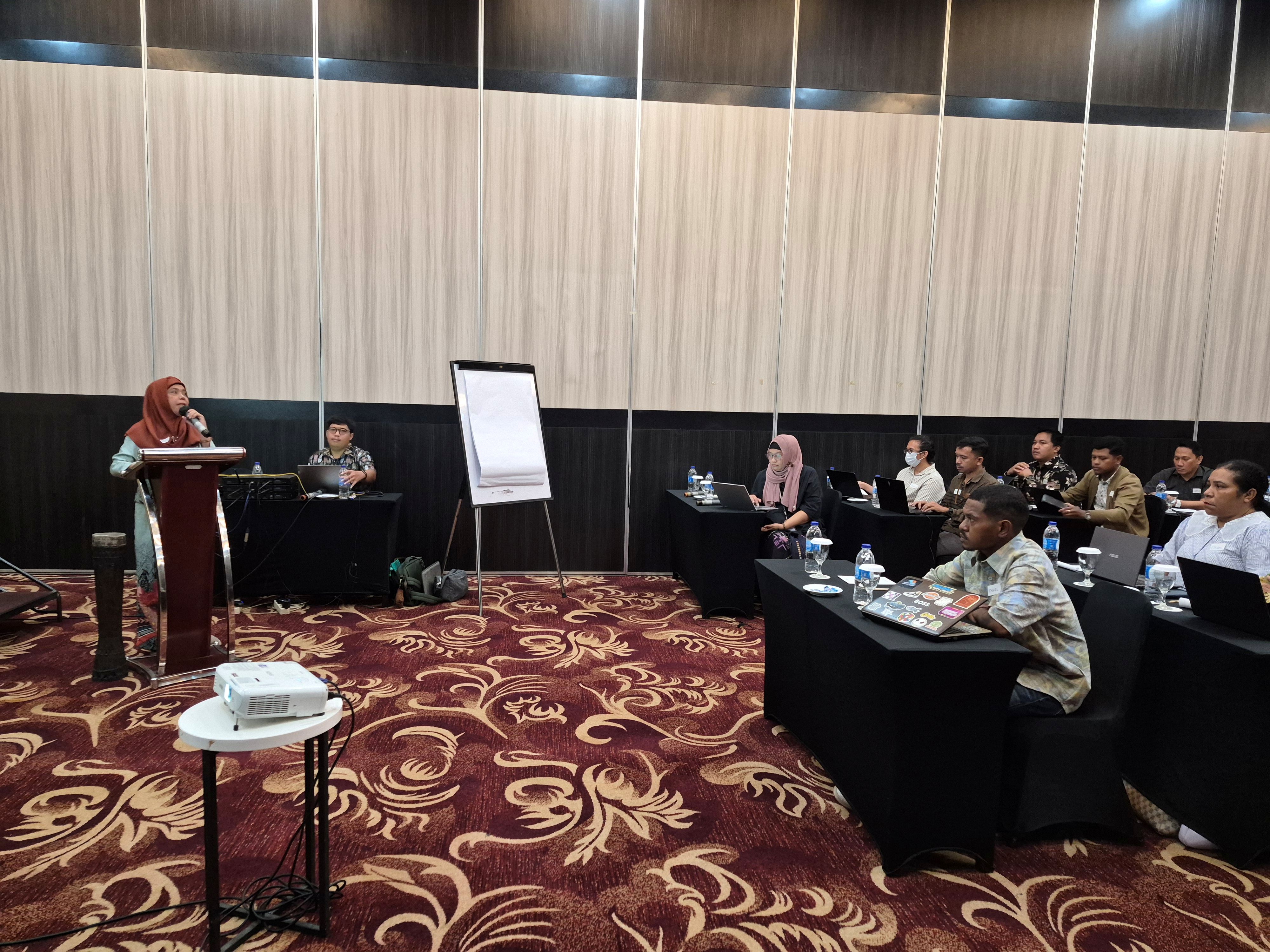
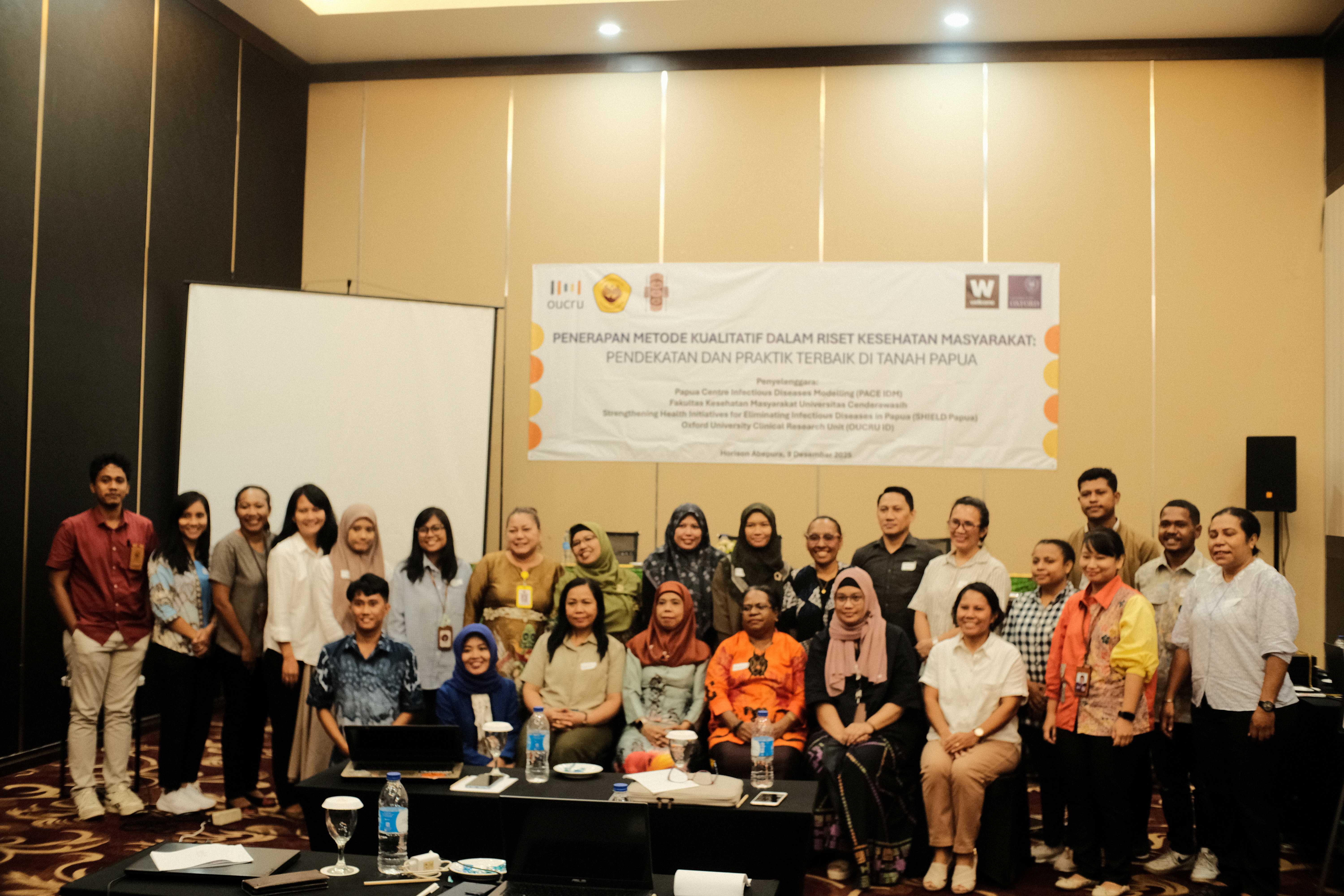
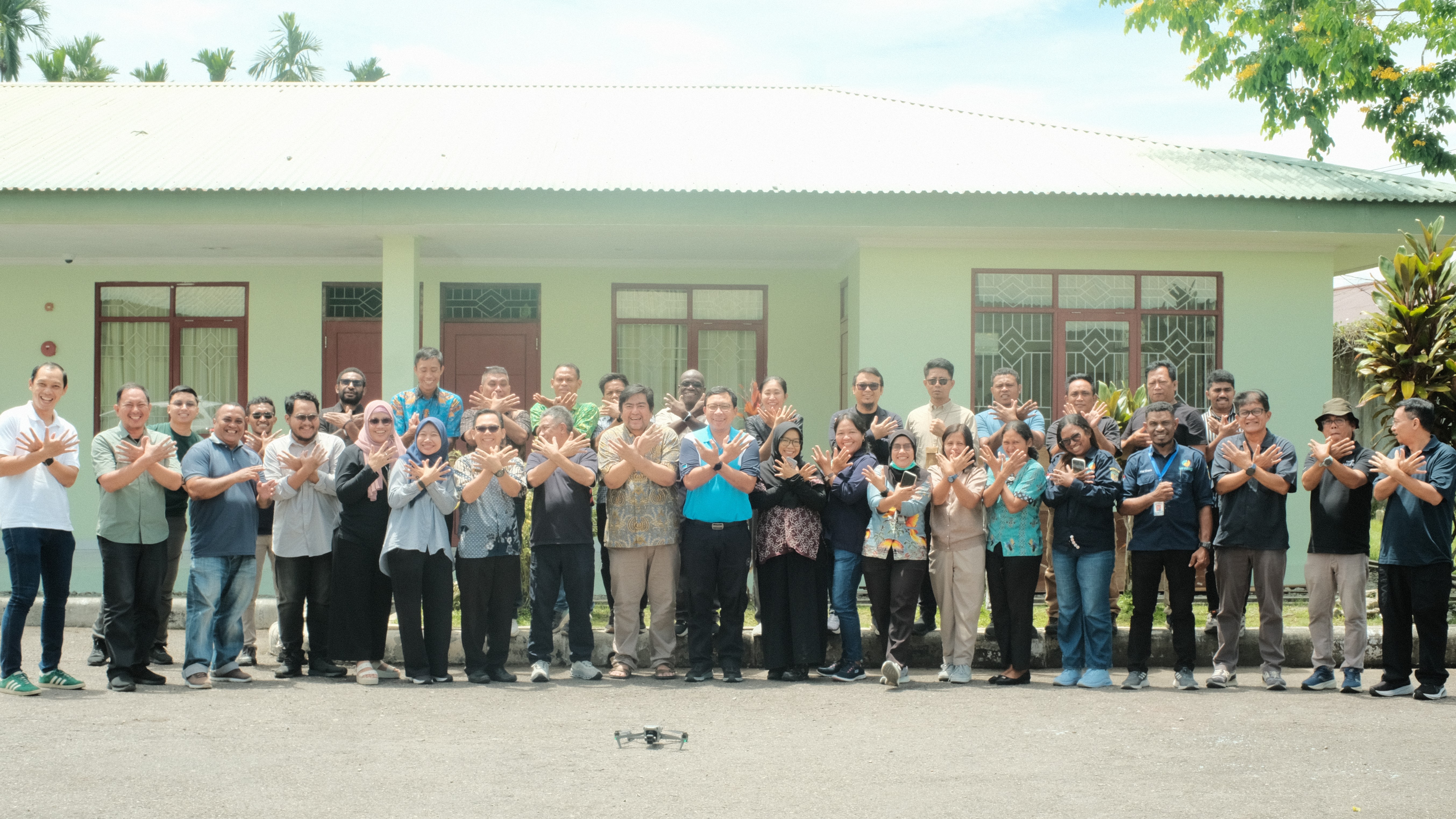
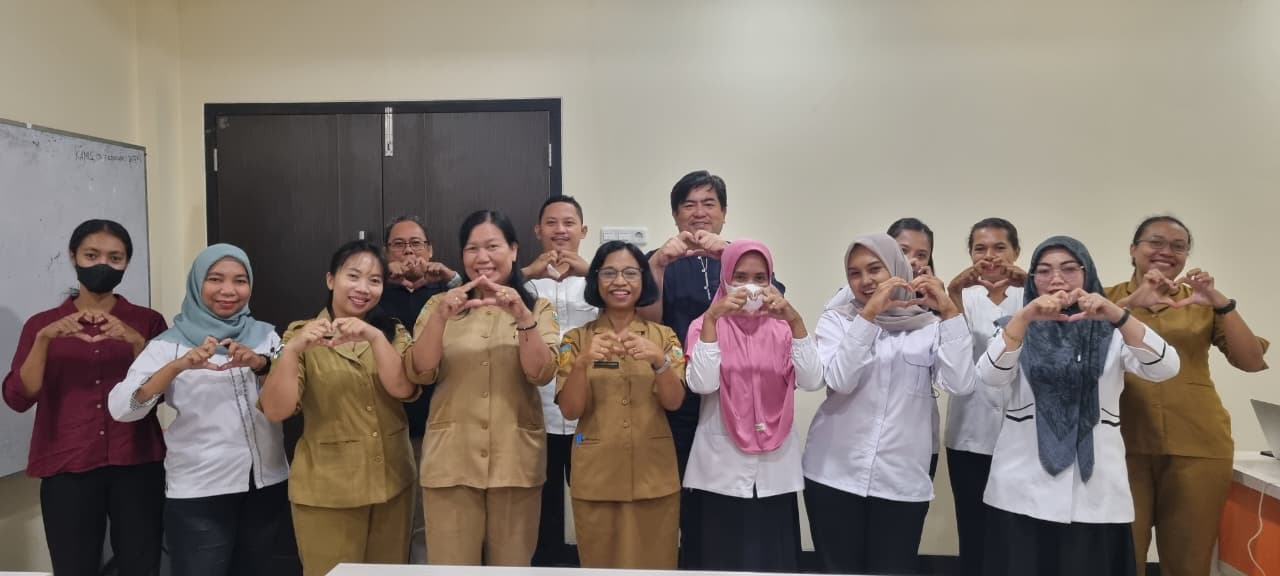
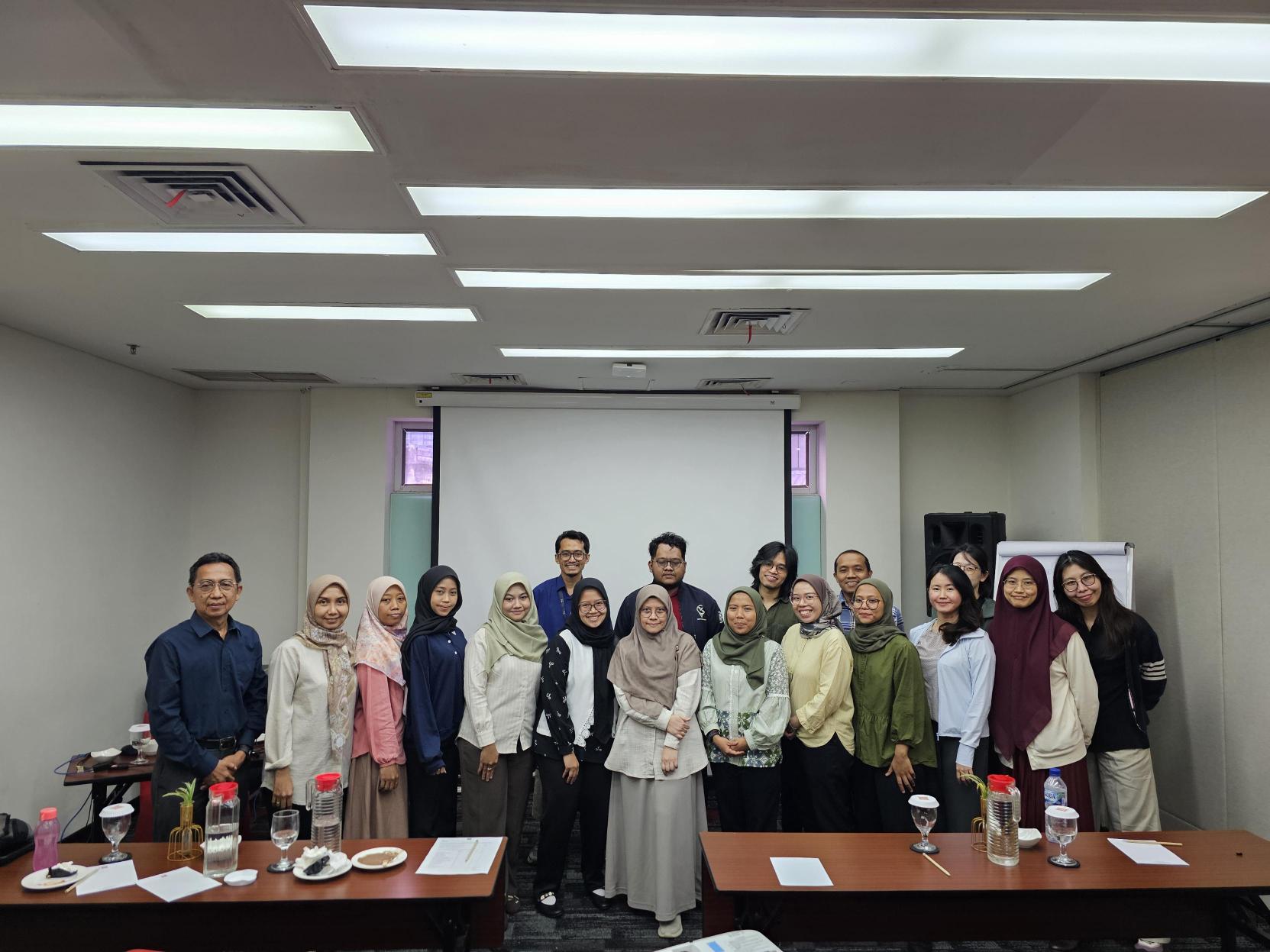
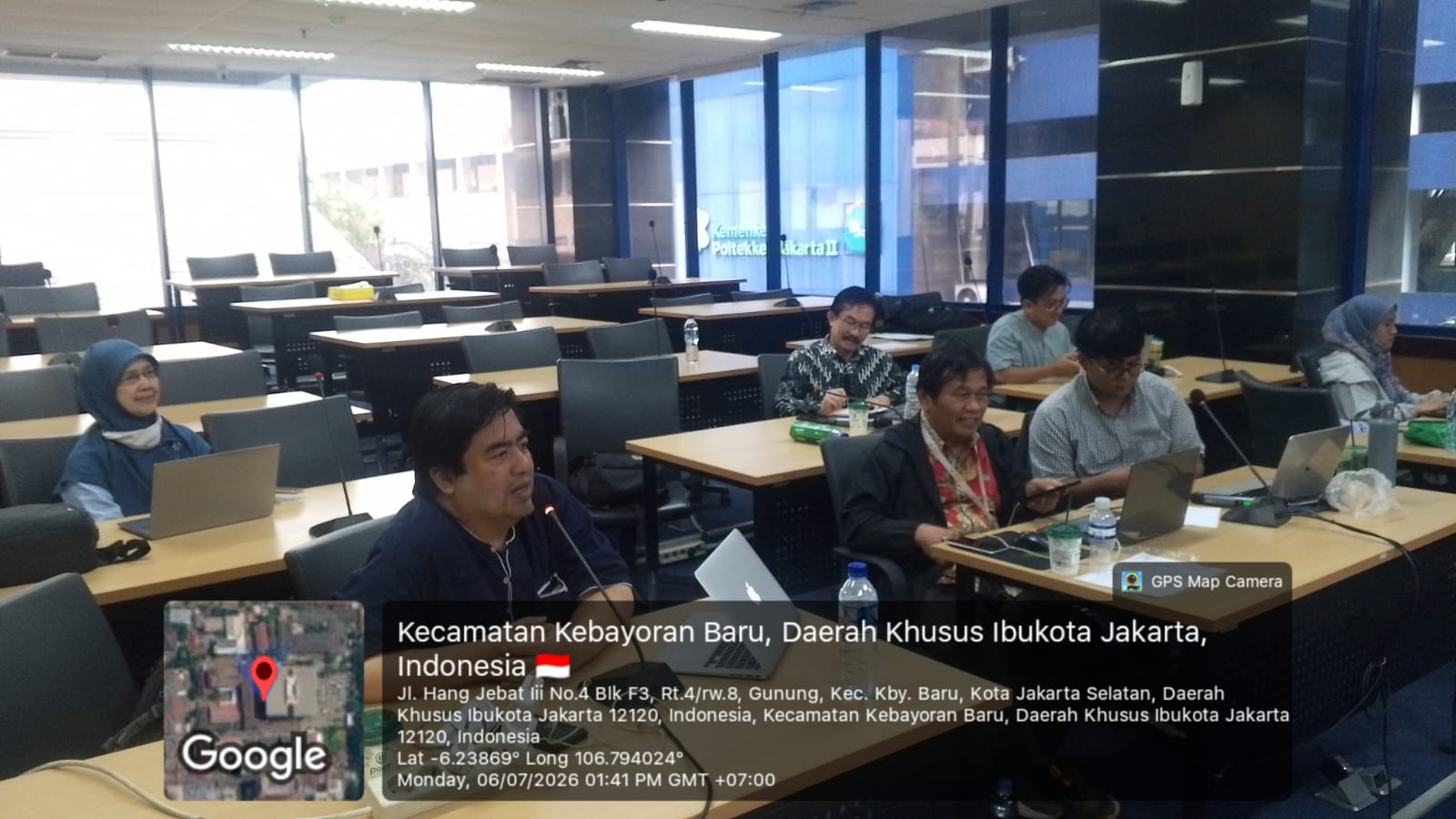
A workshop titled “Application of Qualitative Methods in Public Health Research: Approaches and Best Practices in Papua” was successfully held on Monday, December 8, 2025, at the Hotel Horison Abepura, Jayapura. This activity is part of the Strengthening Health Initiatives for Eliminating Infectious Diseases in Papua (SHIELD PAPUA) initiative, a collaboration between OUCRU Indonesia, PACE IDM, and the Faculty of Public Health (FKM) at Cenderawasih University. The training was attended by lecturers, researchers, and students from FKM UNCEN and other related health institutions.
The workshop equipped participants with practical understanding and skills regarding:
- Basic Philosophy of Qualitative Research: Understanding the fundamental differences between qualitative and quantitative approaches in public health.
- Qualitative Study Design: Explanation of various methods such as Ethnography, Case Studies, and Phenomenology, and how to select them.
- Sampling Techniques and Data Collection: Practice of purposive and snowball sampling techniques, as well as In-Depth Interview (IDI) and Focus Group Discussion (FGD) methods.
- Data Analysis: An introduction to manual coding processes and thematic analysis to process field information.
- Ethics and Culture: Ethical approaches to conducting research that respect the norms and cultural values of the Papuan people.
Evaluation results showed a significant increase in participant understanding, particularly in the technical aspects of data collection and ethical readiness for field research. Participants also showed high enthusiasm during the group exercise sessions for designing qualitative mini-studies.
Moving forward, this activity is expected to spark high-quality qualitative research led by local researchers in Papua. With strong methodological mastery, researchers are expected to produce policy recommendations that are not only based on scientific data but also rooted in the social reality and local wisdom of the Papuan people, aiming to accelerate the elimination of infectious diseases in the region.
Tags:
Tags: