Posted By

About Us
Lorem ipsum dolor sit amet, consectetur elit, sed do eiusmod tempor incididunt ut labore et magna aliqua.
Get a free quote
Monitoring and Evaluation Meeting on Vector Control Activities Using the Kadet Vektor Application
-

-
Published on
May 15, 2025
Malaria is an infectious disease that poses a significant public health problem, significantly impacting mortality and morbidity rates among infants, toddlers, and pregnant women, and can reduce labor productivity.
Malaria control in Indonesia has been outlined in the Decree of the Indonesian Minister of Health No. 293/Menkes/SK/IV/2009, dated April 28, 2009, concerning Malaria Elimination in Indonesia. The goal is to achieve a healthy society free from malaria transmission by 2030.
One crucial intervention in achieving malaria elimination is making surveillance a core intervention. This is outlined in the pillars of the Global Technical Strategy for Malaria 2016–2030 and translated into the National Action Plan for the Acceleration of Malaria Elimination 2016–2030, which focuses on transforming malaria surveillance into a core malaria elimination intervention. One key intervention in this strategy is strengthening malaria data systems and data management.
To simplify and strengthen the system, particularly in vector control, it is necessary to validate the recording and reporting of the Malaria Control Program, shifting from manual to digital. This will facilitate real-time data analysis to support decision-making at the regional and central levels.
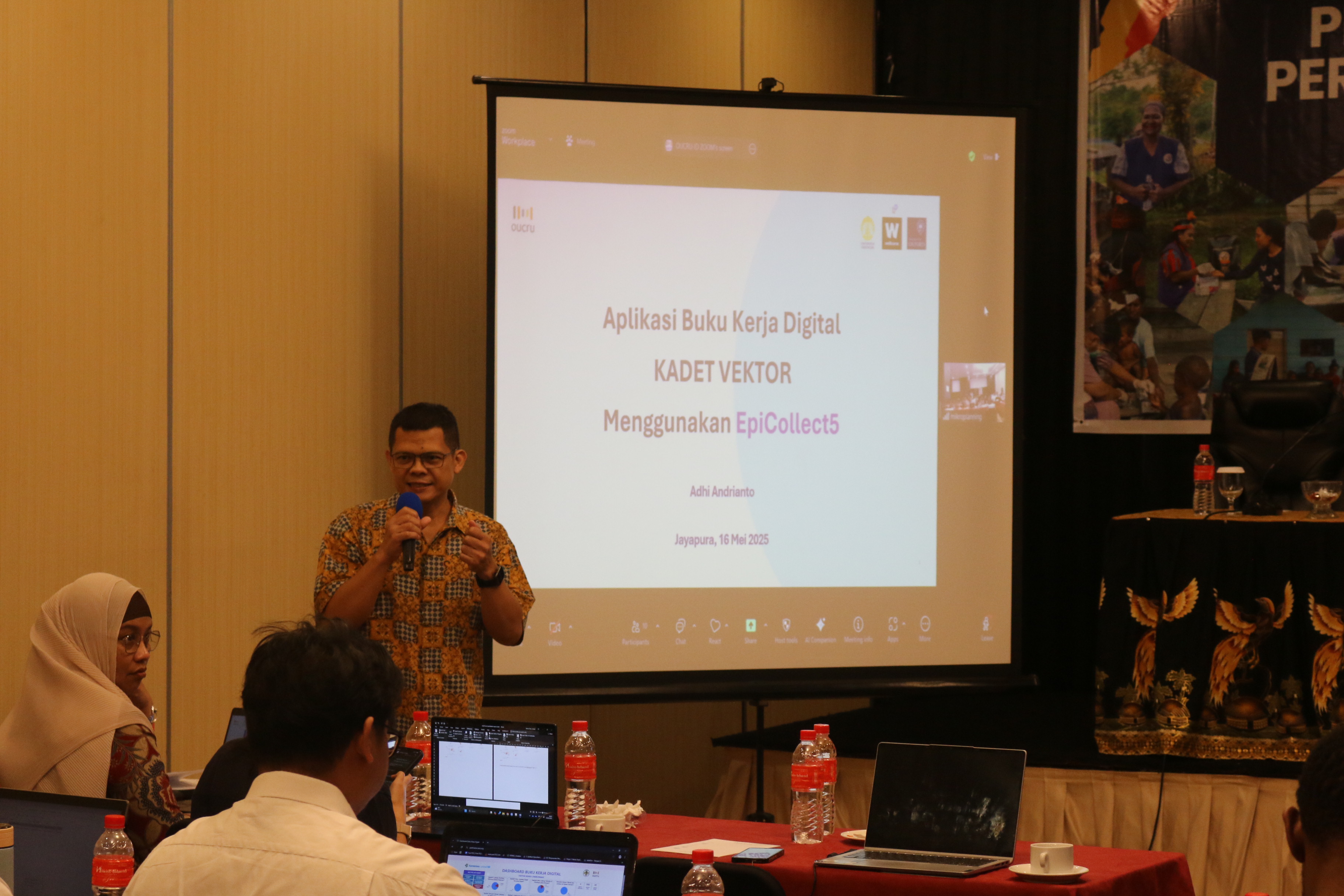
Digitalization of vector control through the Kadet Vektor application begins with data collection, processing, analysis, and the Power BI dashboard. The Kad application is currently operational, but staff capacity remains limited at both the SR and SSR levels, necessitating capacity building to support the digitalization of Kadet Vektor recording and reporting.
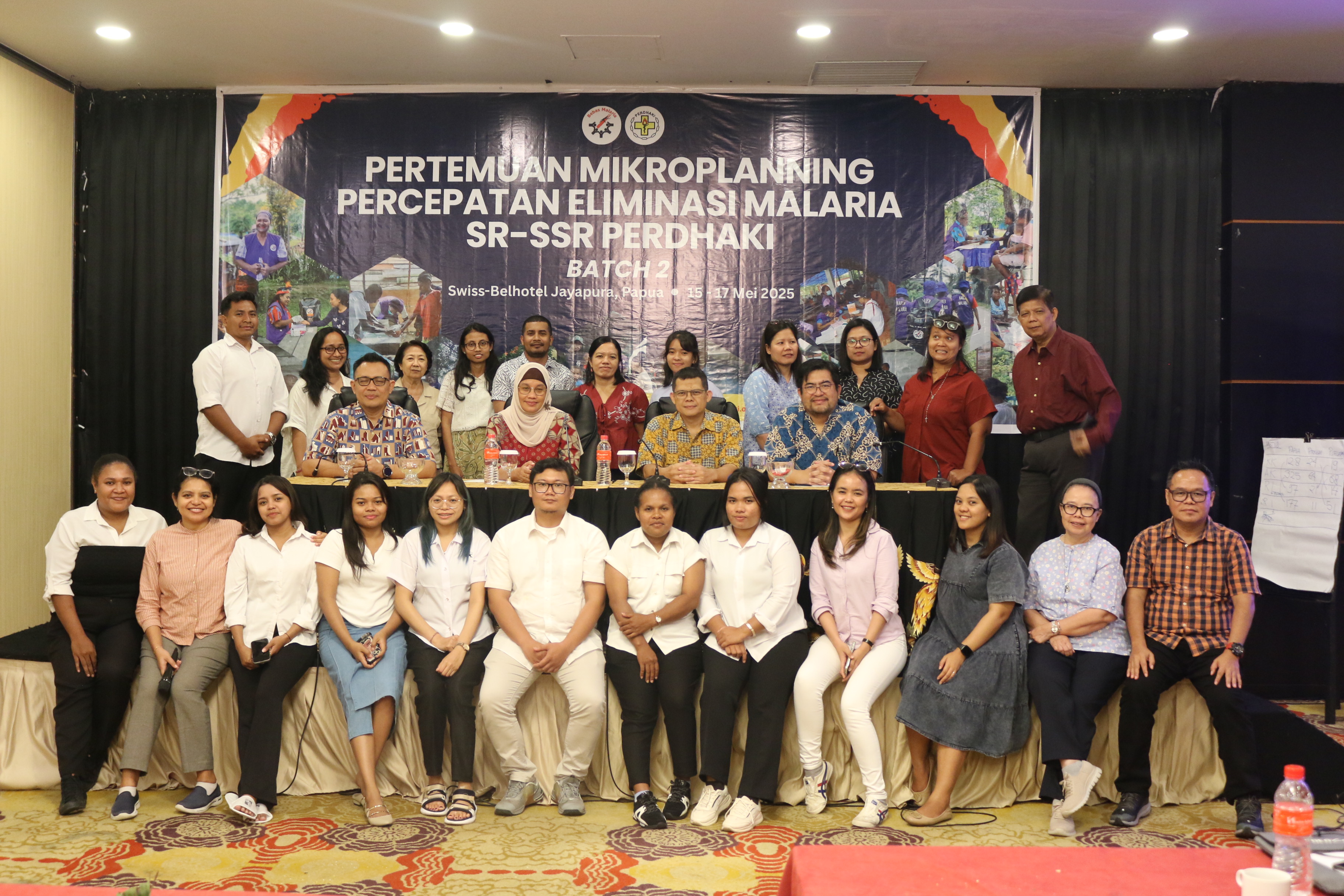
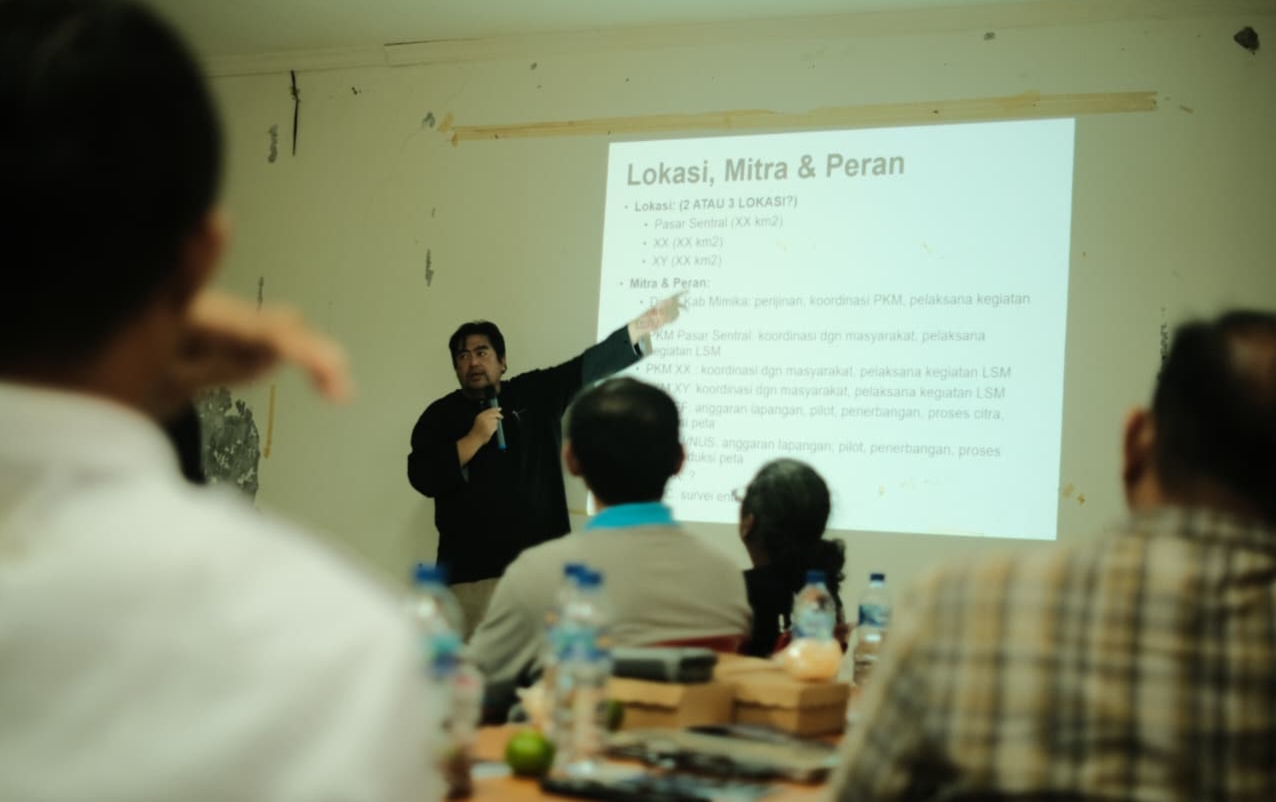
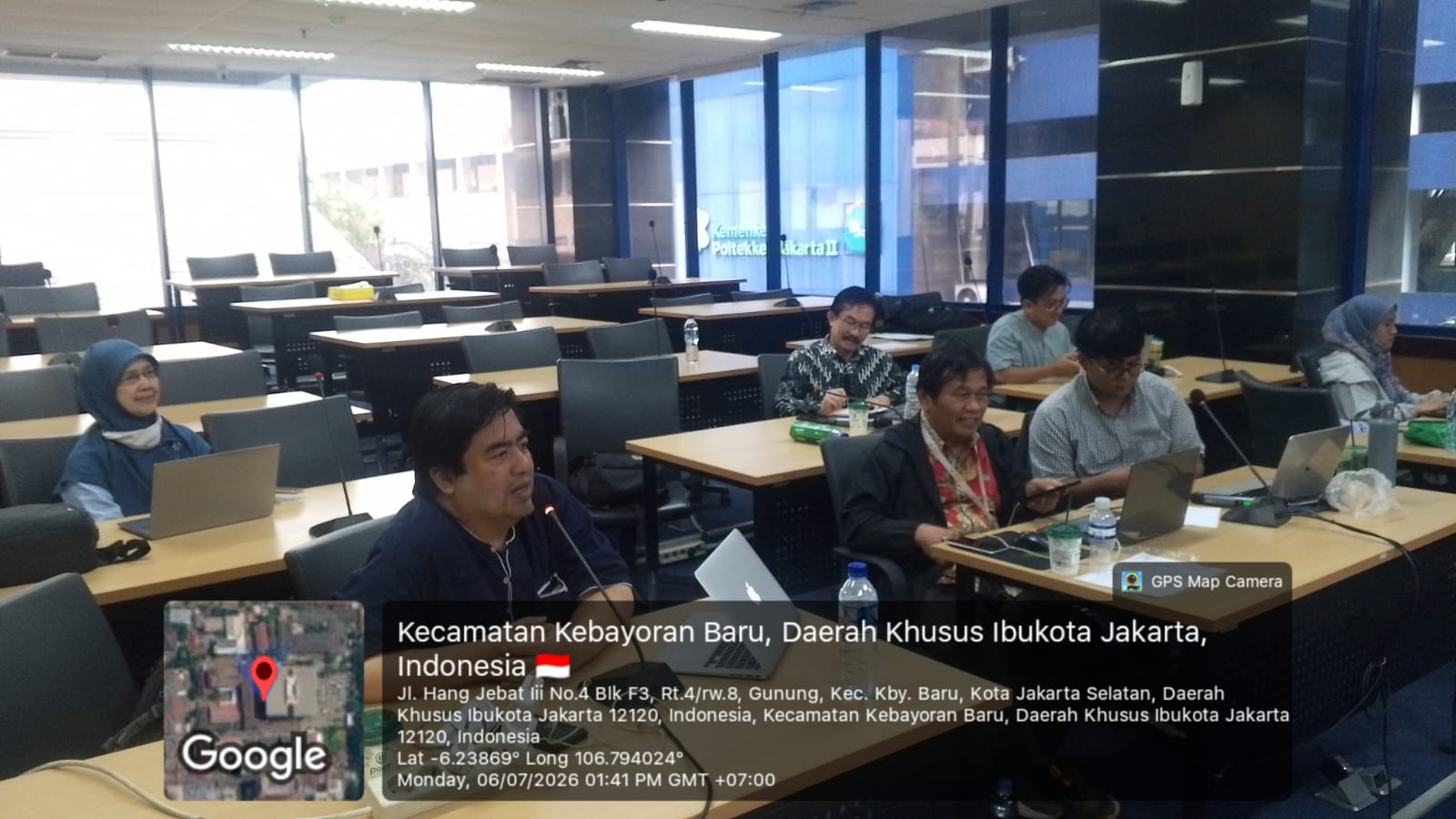
The meeting activities consist of presentations, question-and-answer sessions, discussions, practical exercises, and the formulation of recommendations and follow-up action plans. The event will be held on Wednesday–Thursday, 17–18 September 2025, at the Grand Zuri Malioboro Hotel, Yogyakarta.
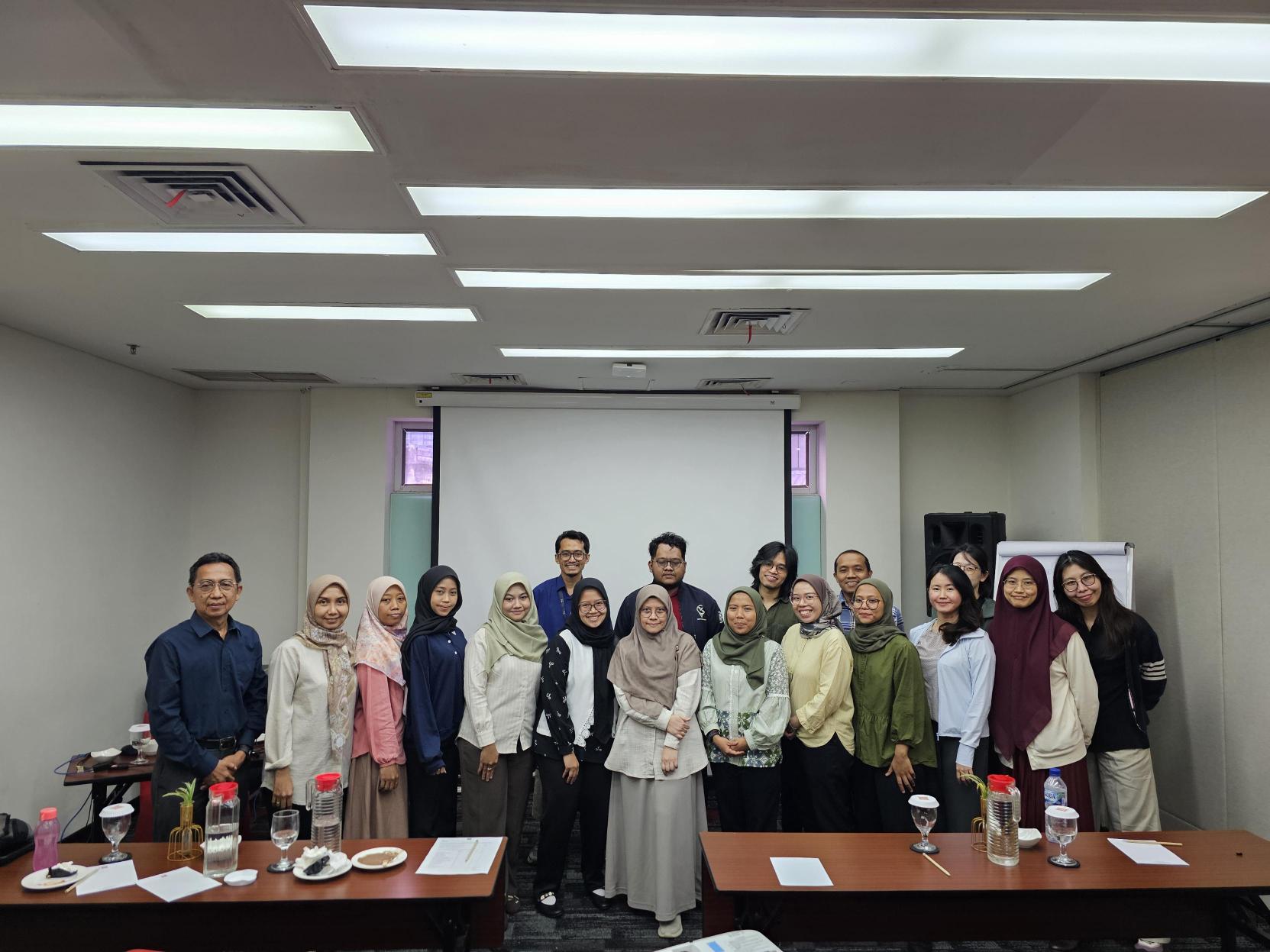
Facilitators and resource persons will include representatives from PR, SR, selected SSRs, and OUCRU Indonesia. Participants comprise central-level PR staff (program management, M&E, administration, finance, communications, PSM, and internal audit) as well as M&E staff from eight SRs and selected SSR program managers. The activity will be funded through the Global Fund budget.
Tags:
Tags: