Posted By

About Us
Lorem ipsum dolor sit amet, consectetur elit, sed do eiusmod tempor incididunt ut labore et magna aliqua.
Get a free quote
Collaborative Workshop on Infectious Disease Modeling for Health Policy and Research
-

-
Published on
November 08, 2025
Understanding the public health challenges faced by Papua—including its distinctive disease burden, geographic constraints, and limited resources—is essential for developing effective intervention strategies. Mathematical modeling offers a powerful tool to address these challenges by simulating disease transmission dynamics, evaluating different intervention strategies, and predicting outcomes before interventions are implemented.
The objectives of this workshop were to:
(1) introduce the use of the R software for infectious disease modeling,
(2) enhance knowledge of infectious disease issues in Papua and strengthen mathematical modeling capacity among local health researchers,
(3) initiate and sustain a research network for infectious disease modeling in Indonesia, particularly in Papua, and
(4) facilitate partnerships between modelers and policymakers to support evidence‑based health interventions.
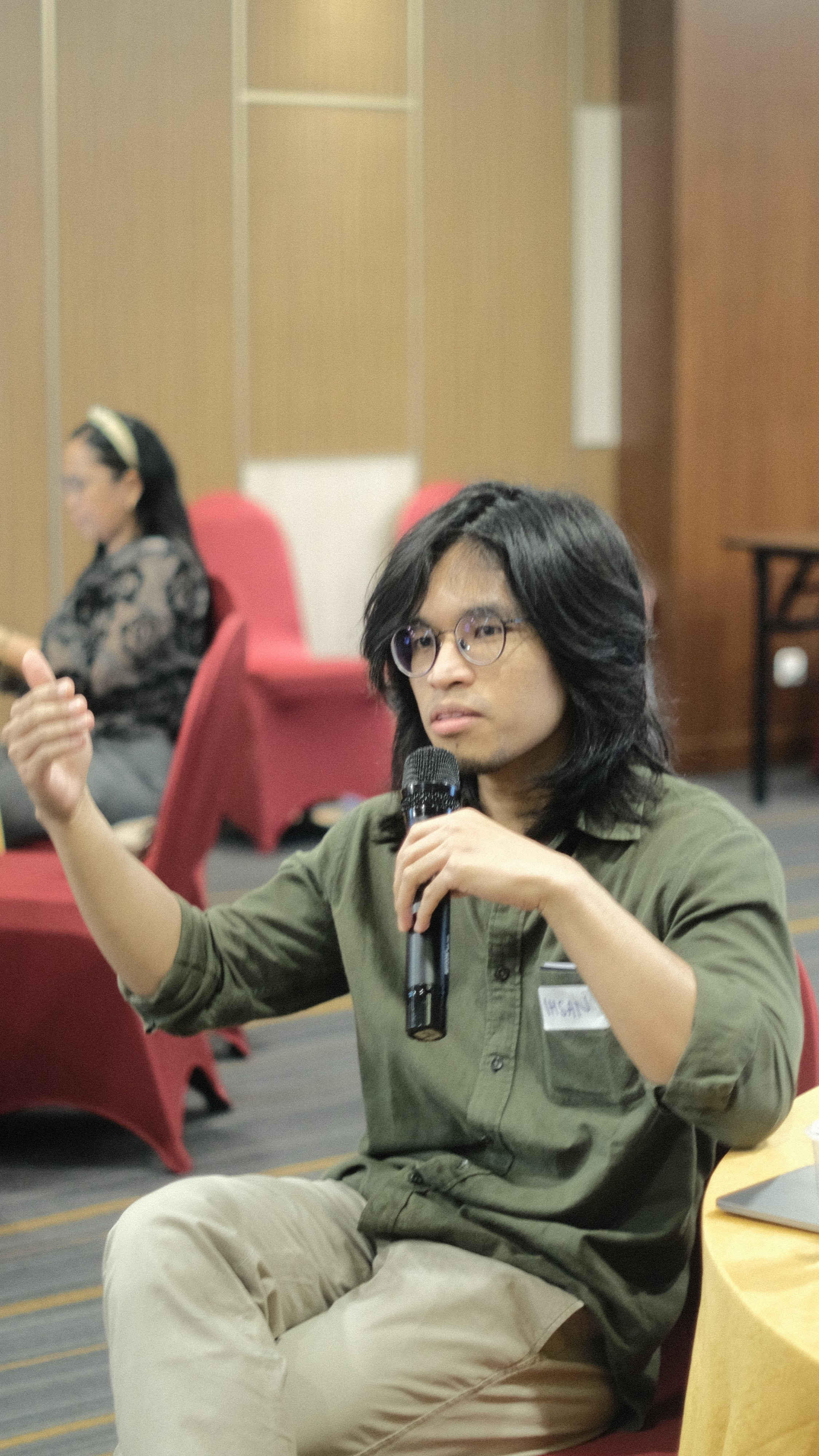
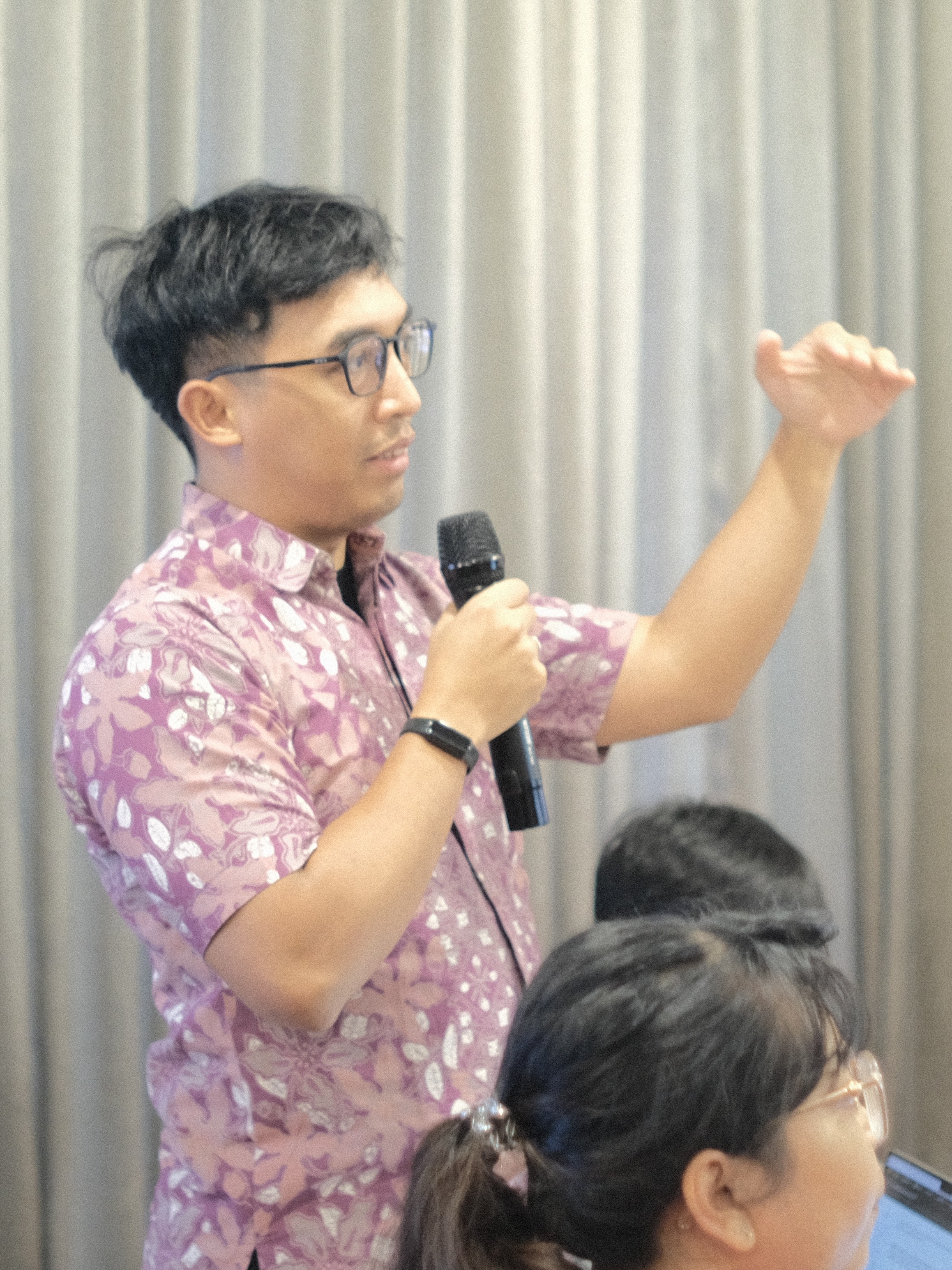
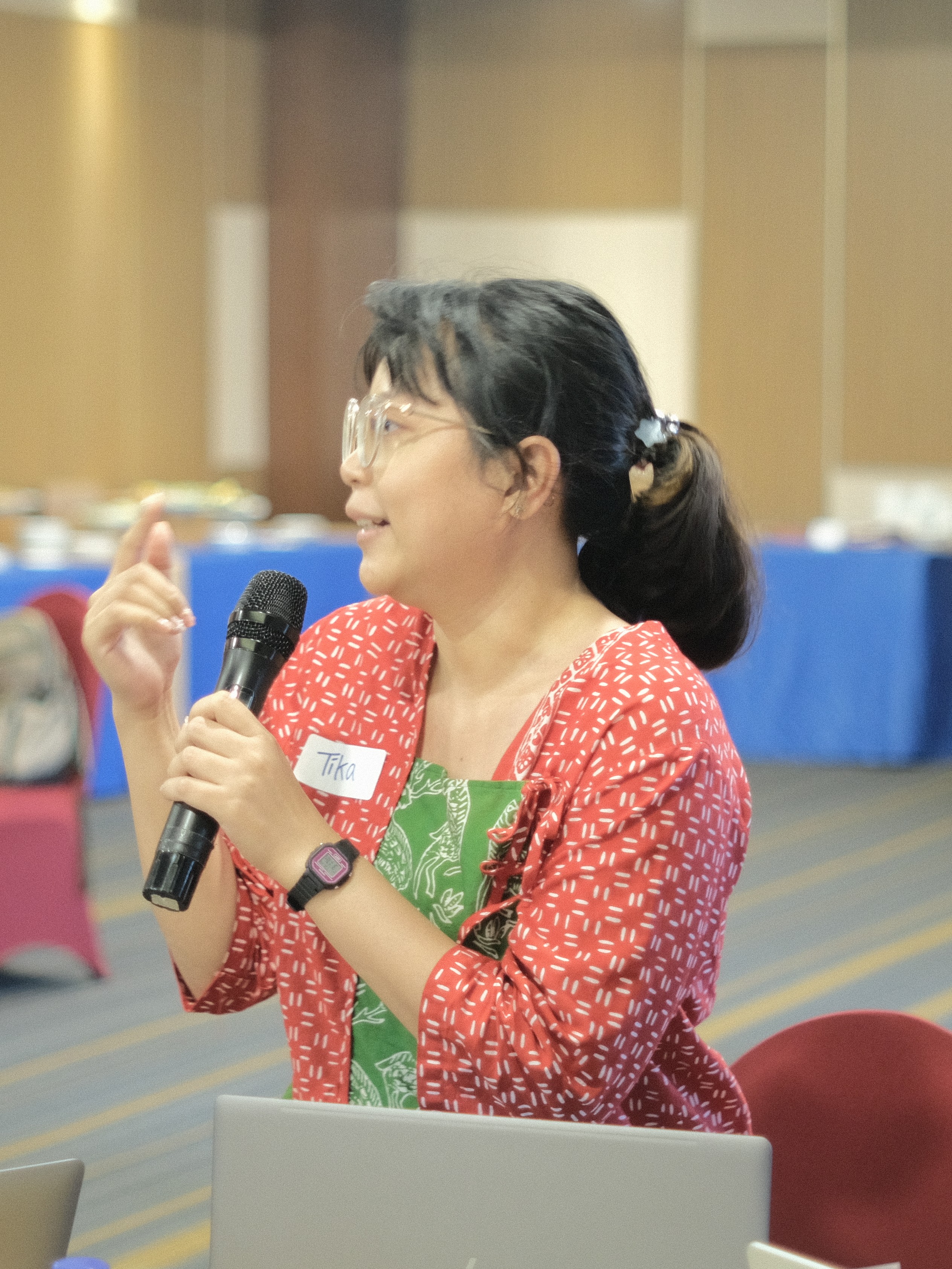
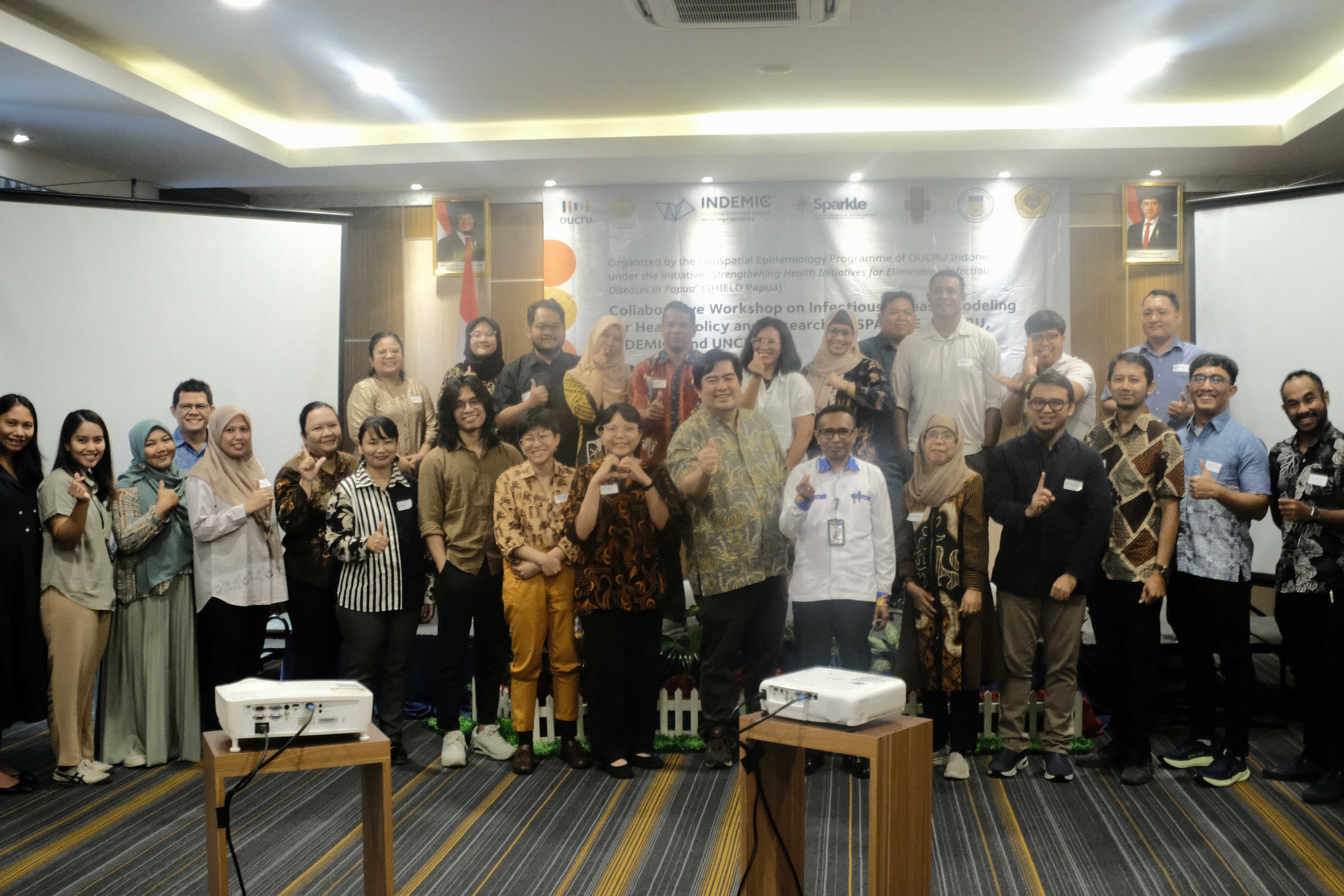
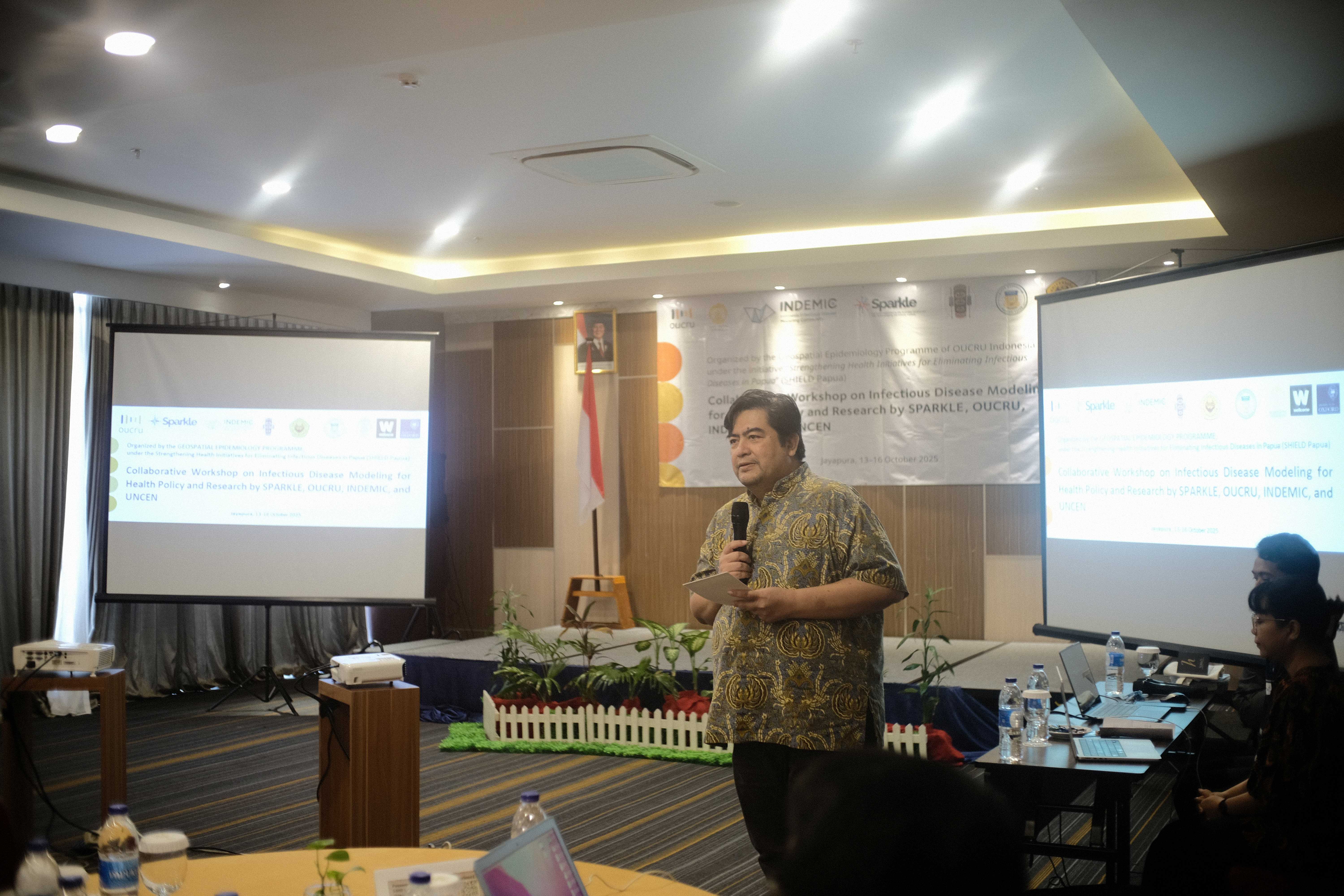
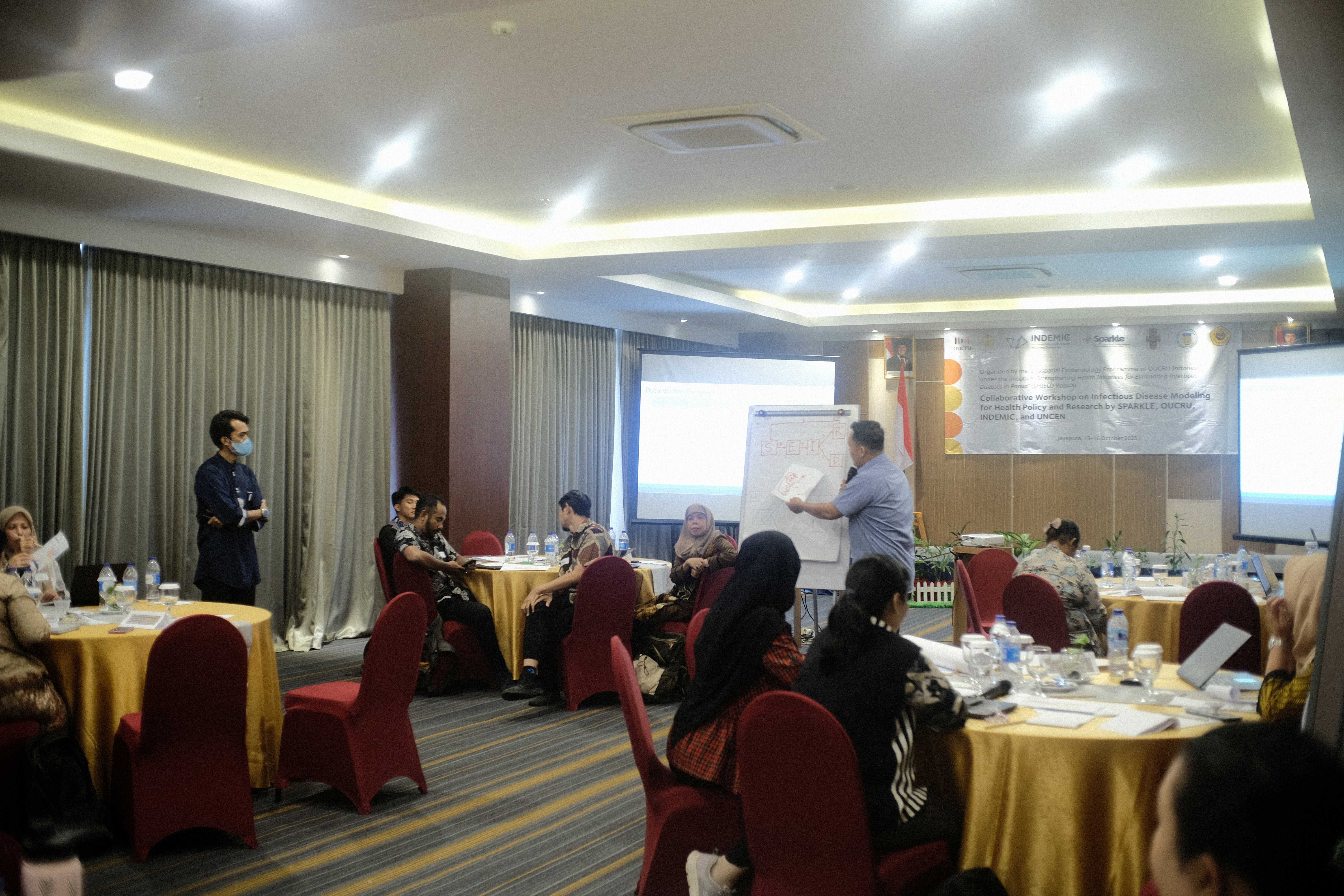
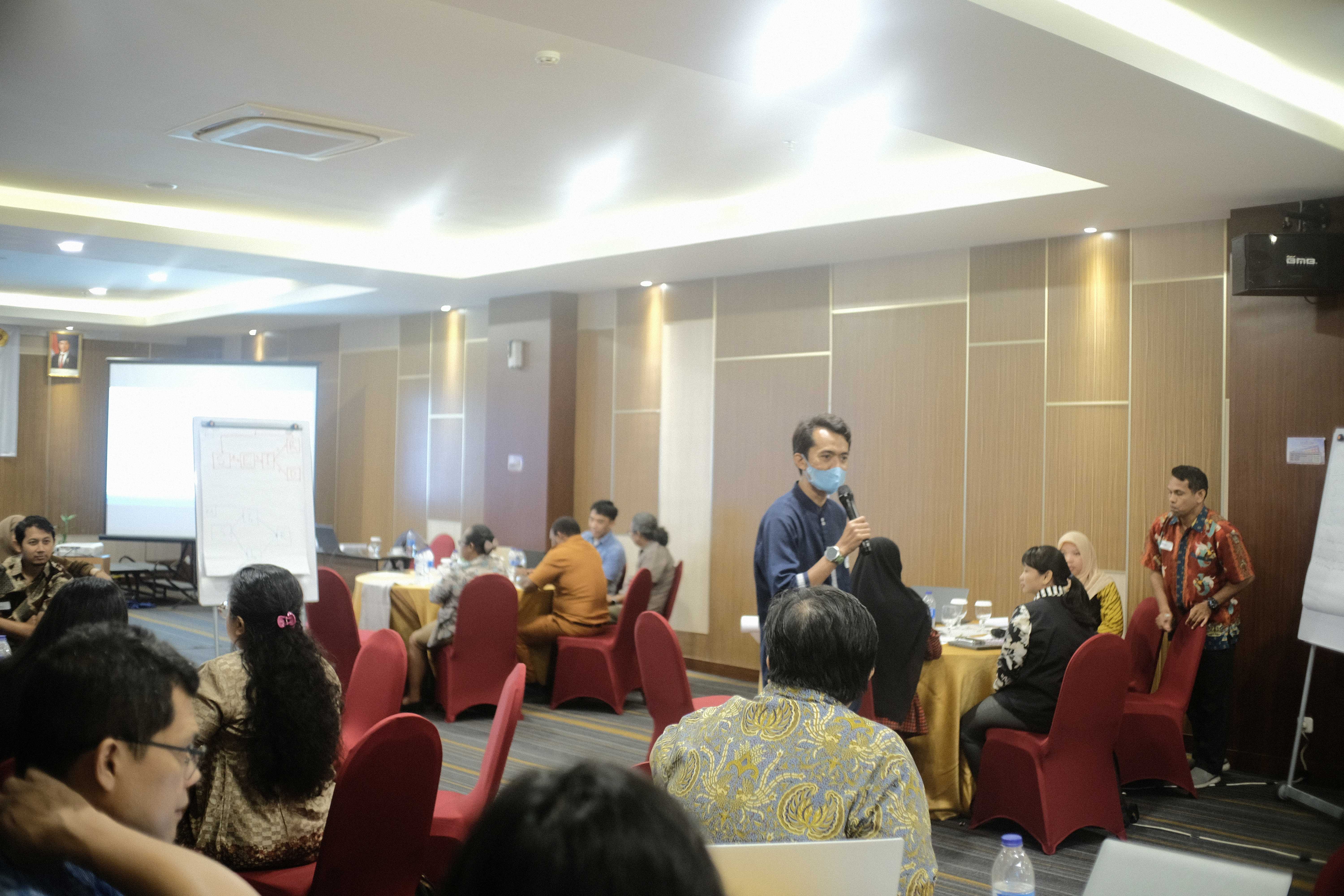
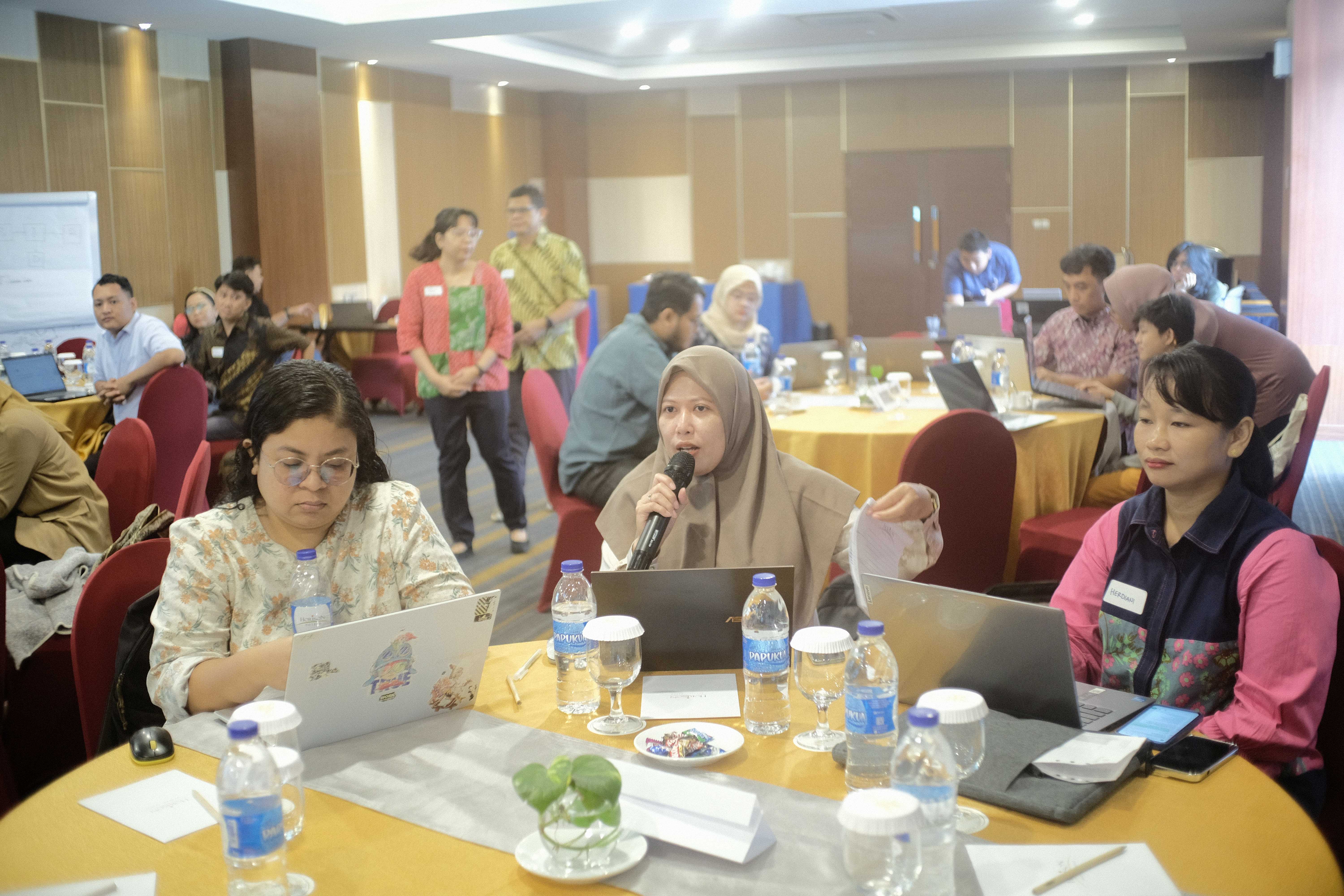
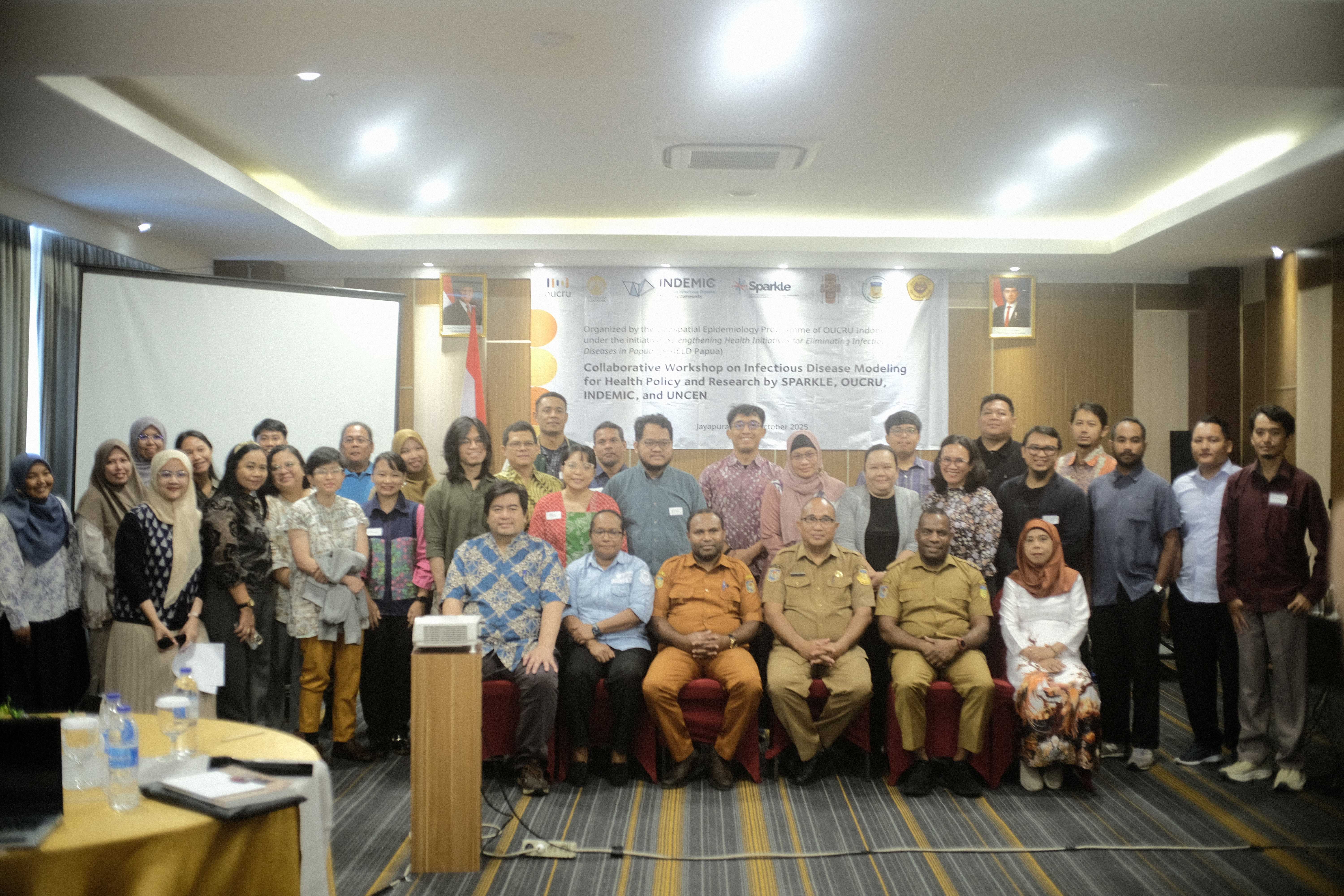
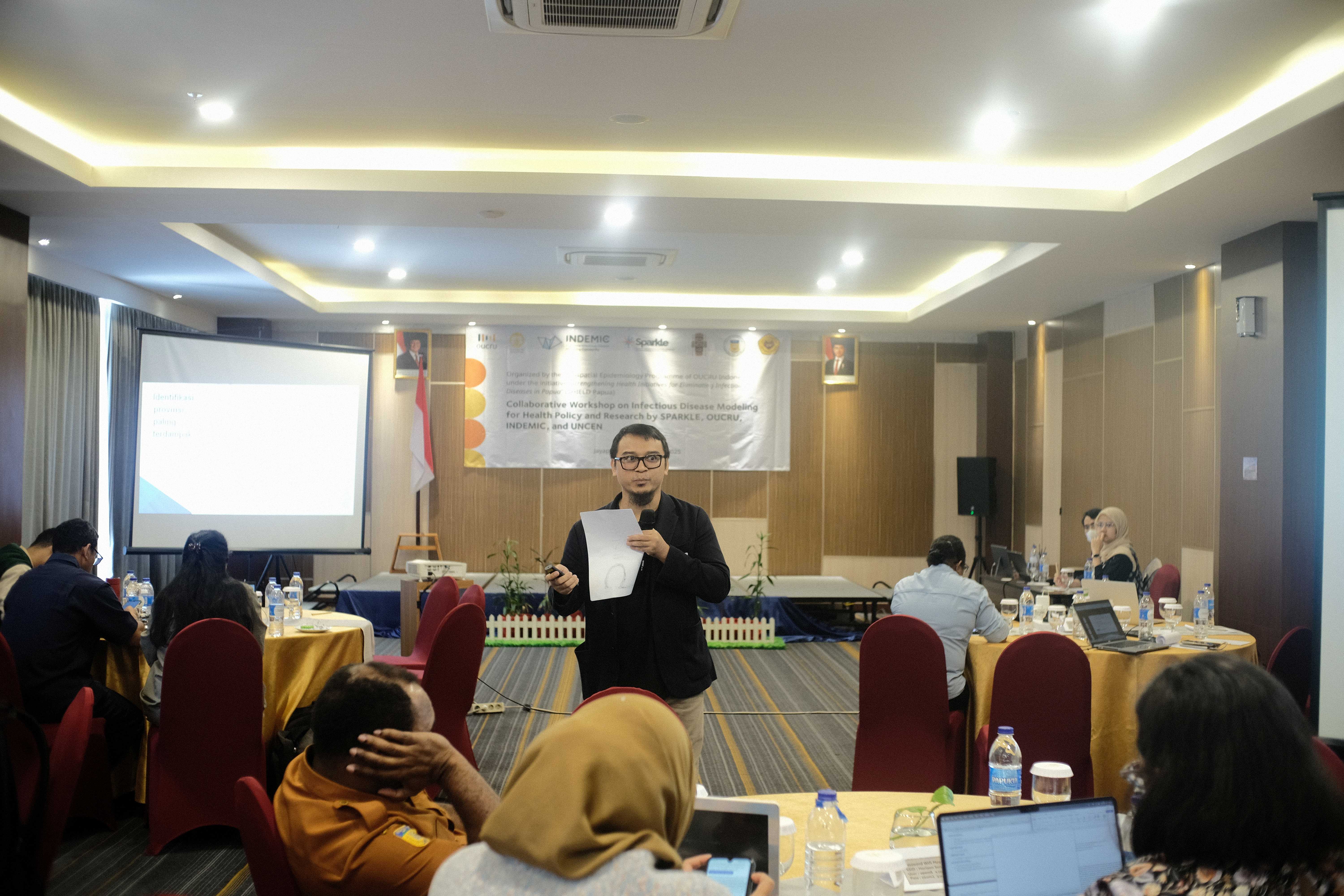
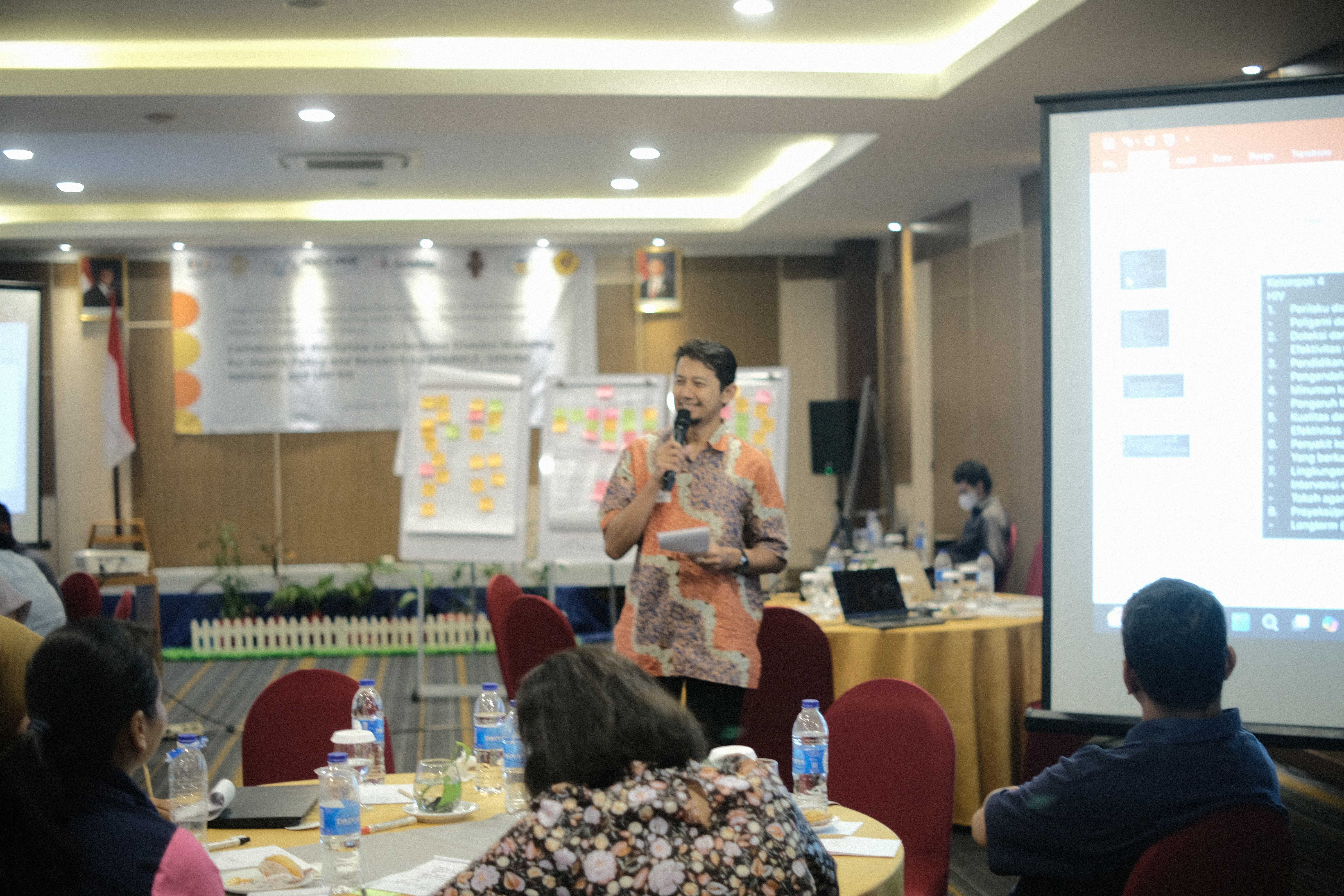
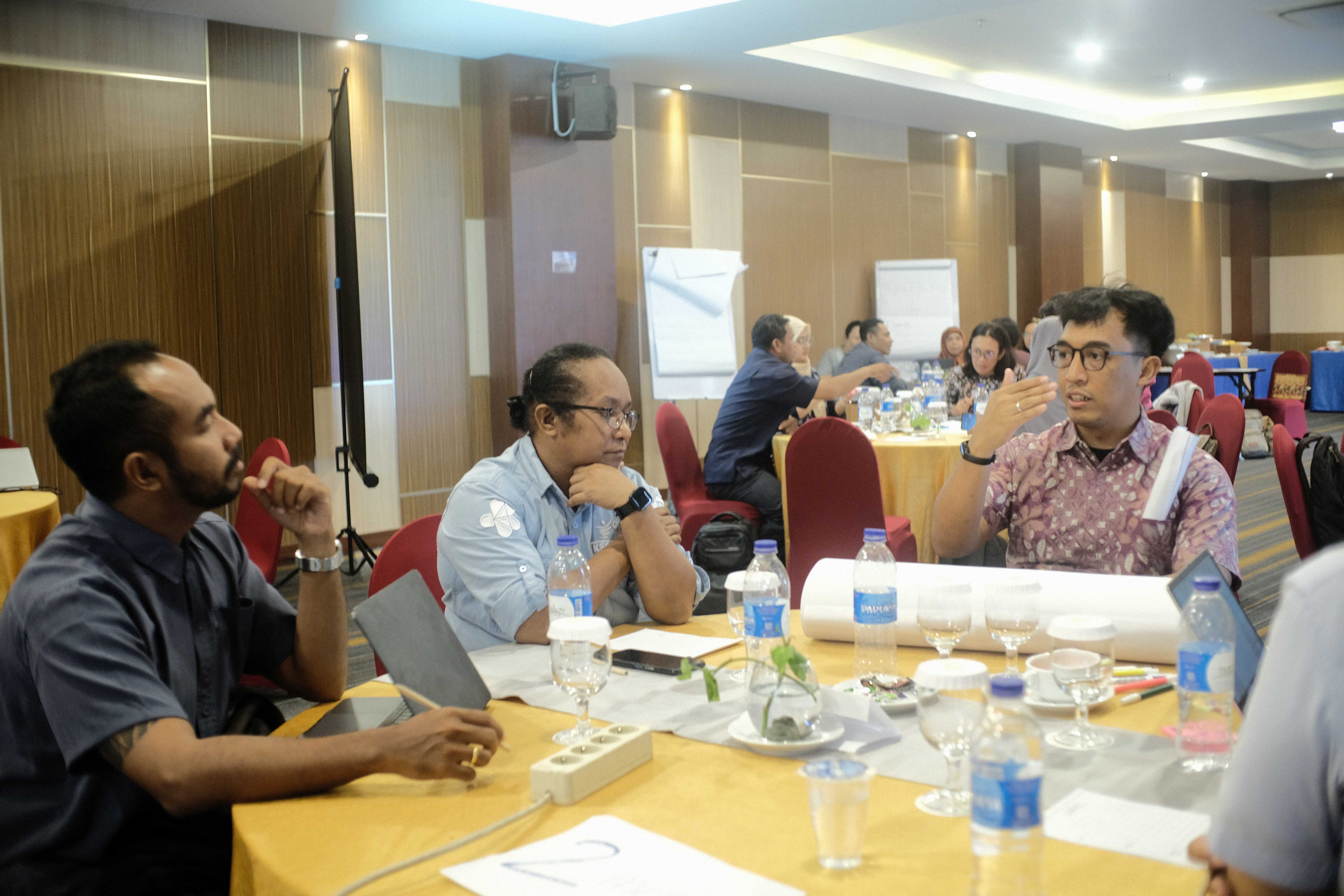
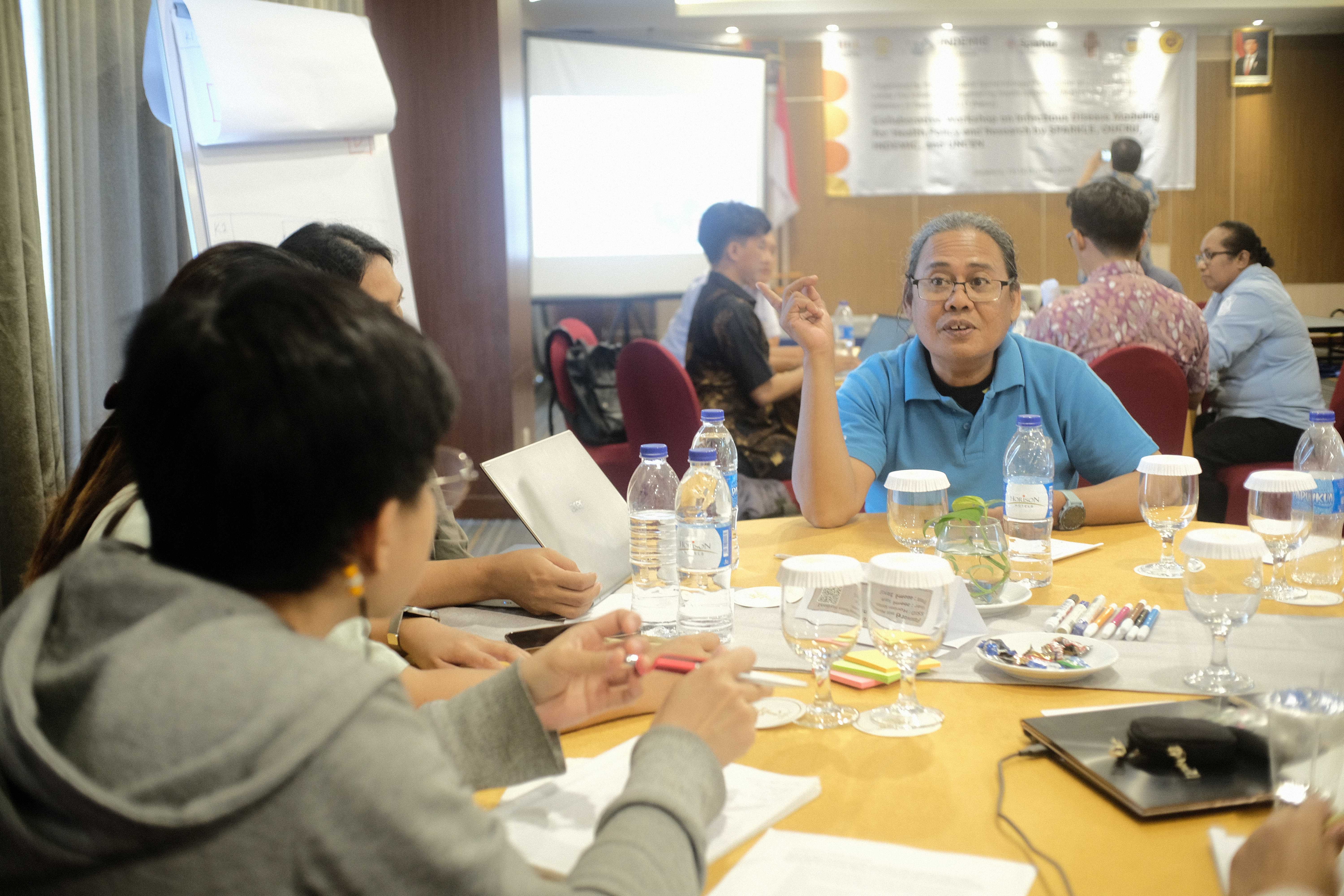
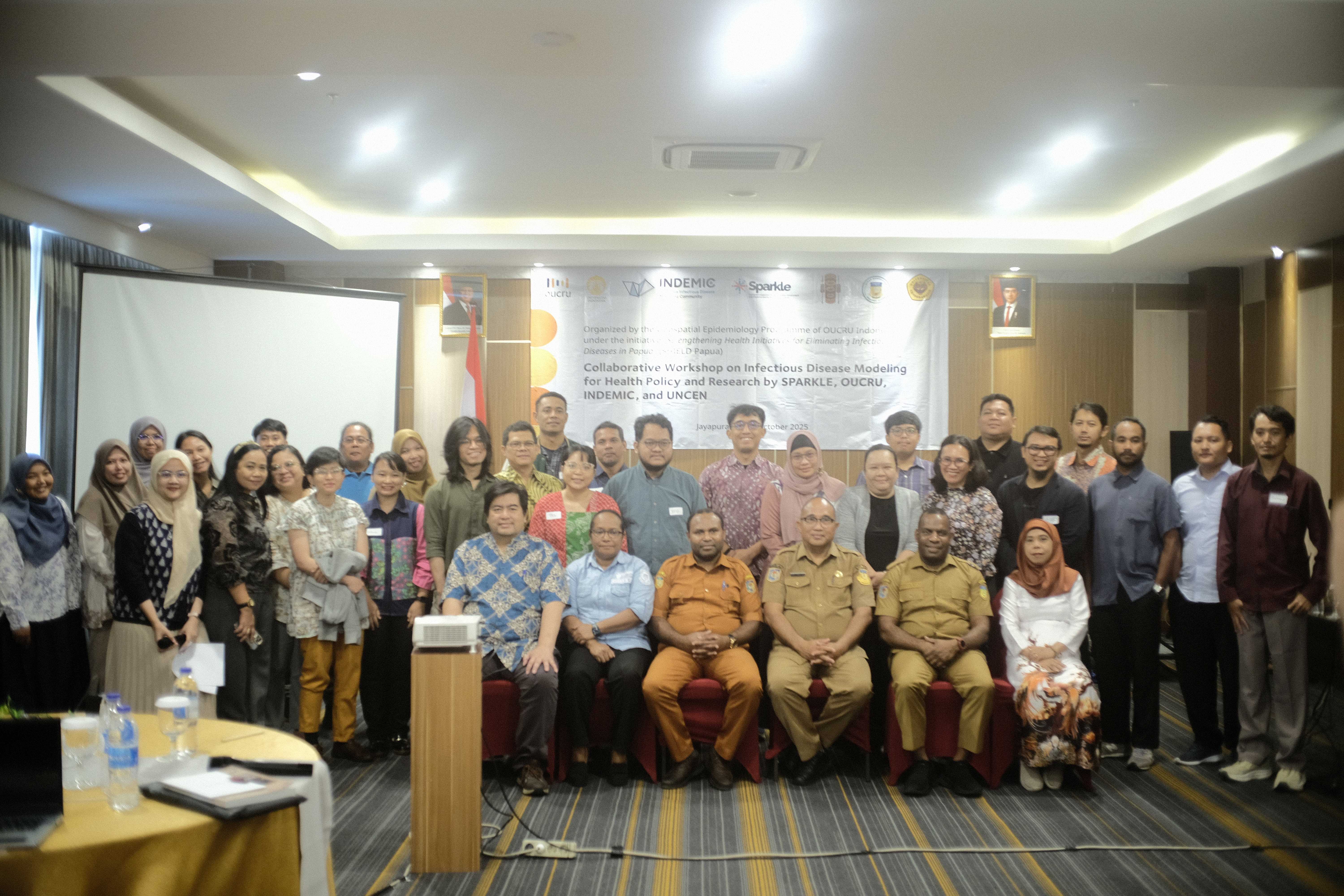
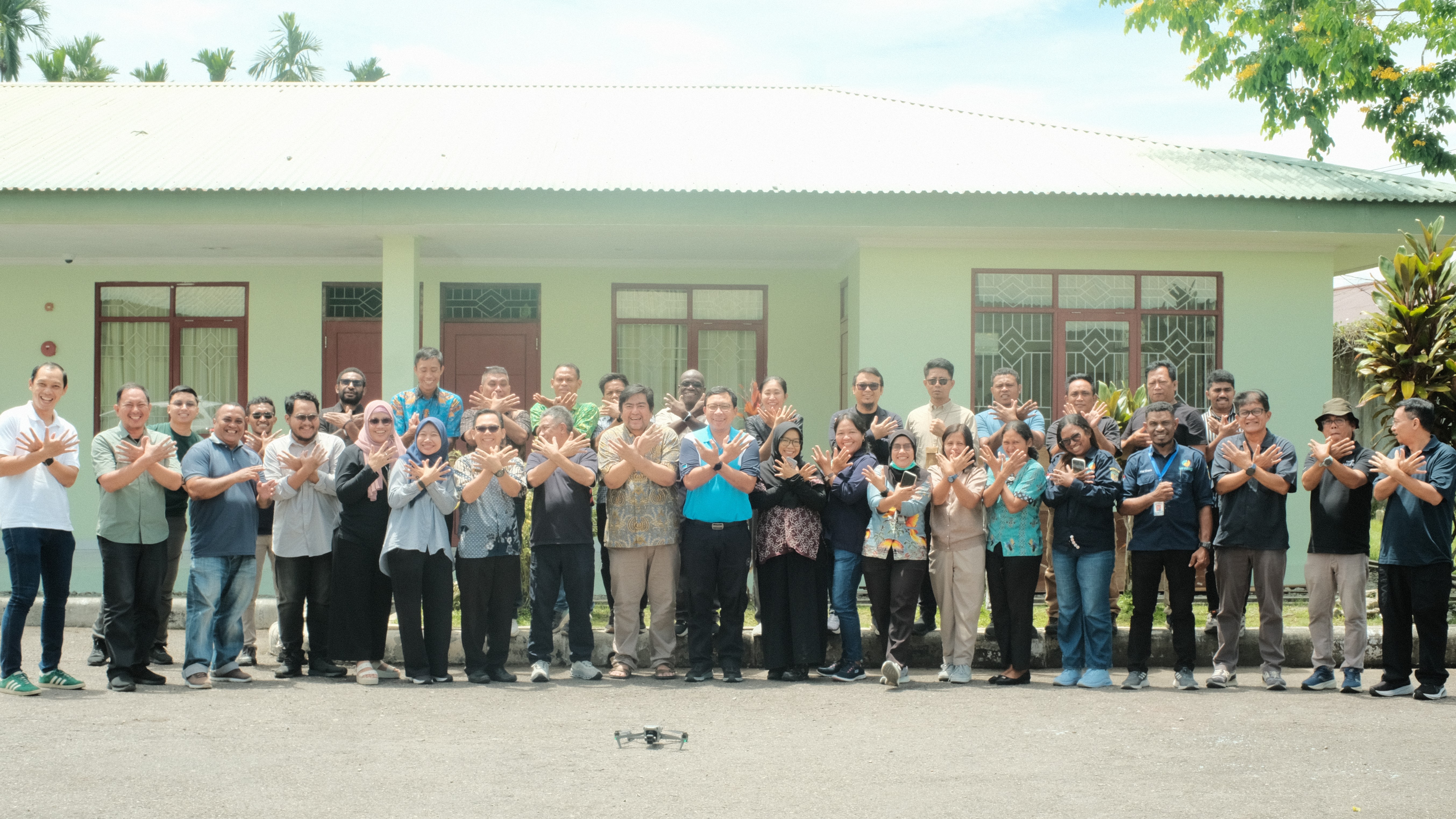
The workshop was held from 13–16 October 2025 at Horison Sentani Hotel, Sentani, Jayapura, Papua. A total of 26 participants attended, representing various institutions: Universitas Cenderawasih (UNCEN) with 14 participants from the Faculty of Mathematics and Natural Sciences, Faculty of Public Health, and Faculty of Medicine; the Papua Provincial Health Office (4 participants); the Papua Public Health Laboratory (1 participant); PATH Keerom (1 participant); UNICEF (1 participant); BRIN (1 participant); Monash University Indonesia (1 participant); and OUCRU Indonesia (3 participants).
This four‑day workshop combined theoretical foundations, hands‑on practical sessions, and policy discussions.
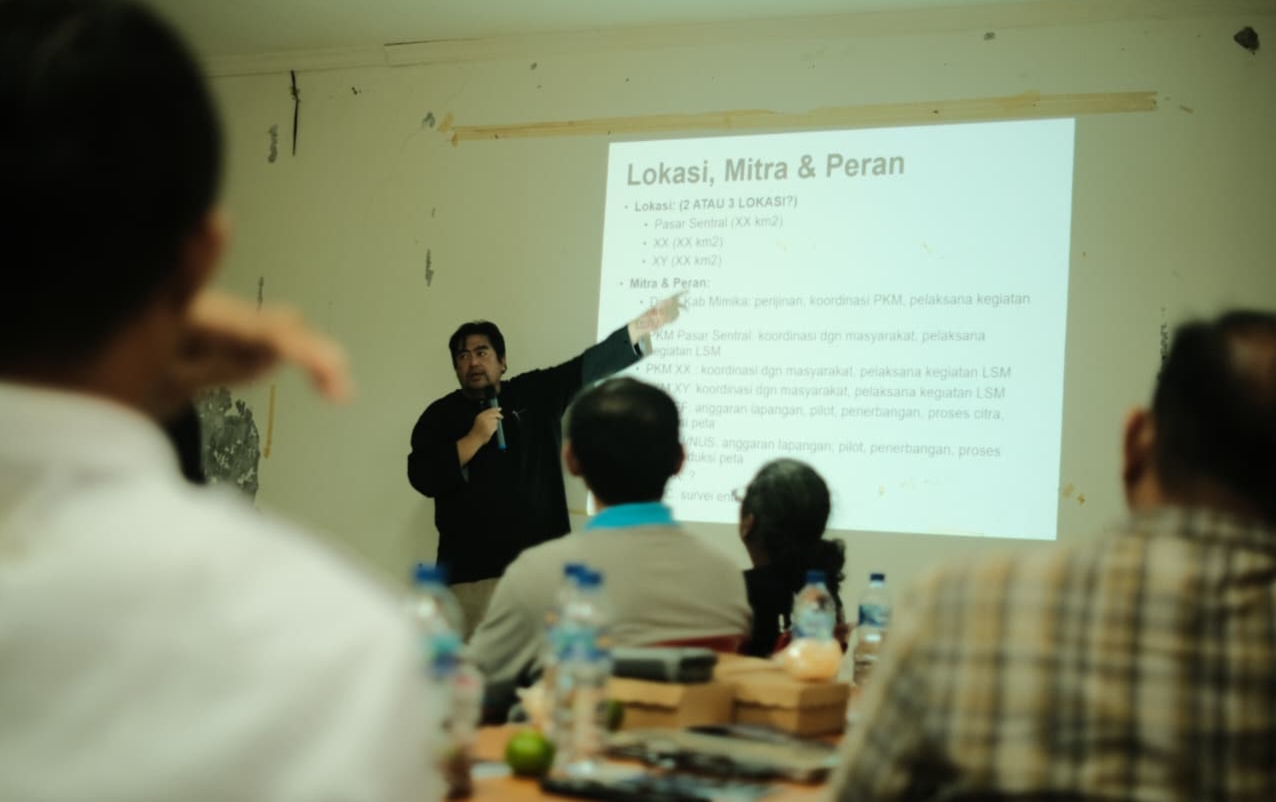
Day 1 focused on introducing the fundamentals of infectious disease modeling, including theory, model demonstrations, and exercises in model development. Participants learned how modeling research supports improvements in public health through case studies.
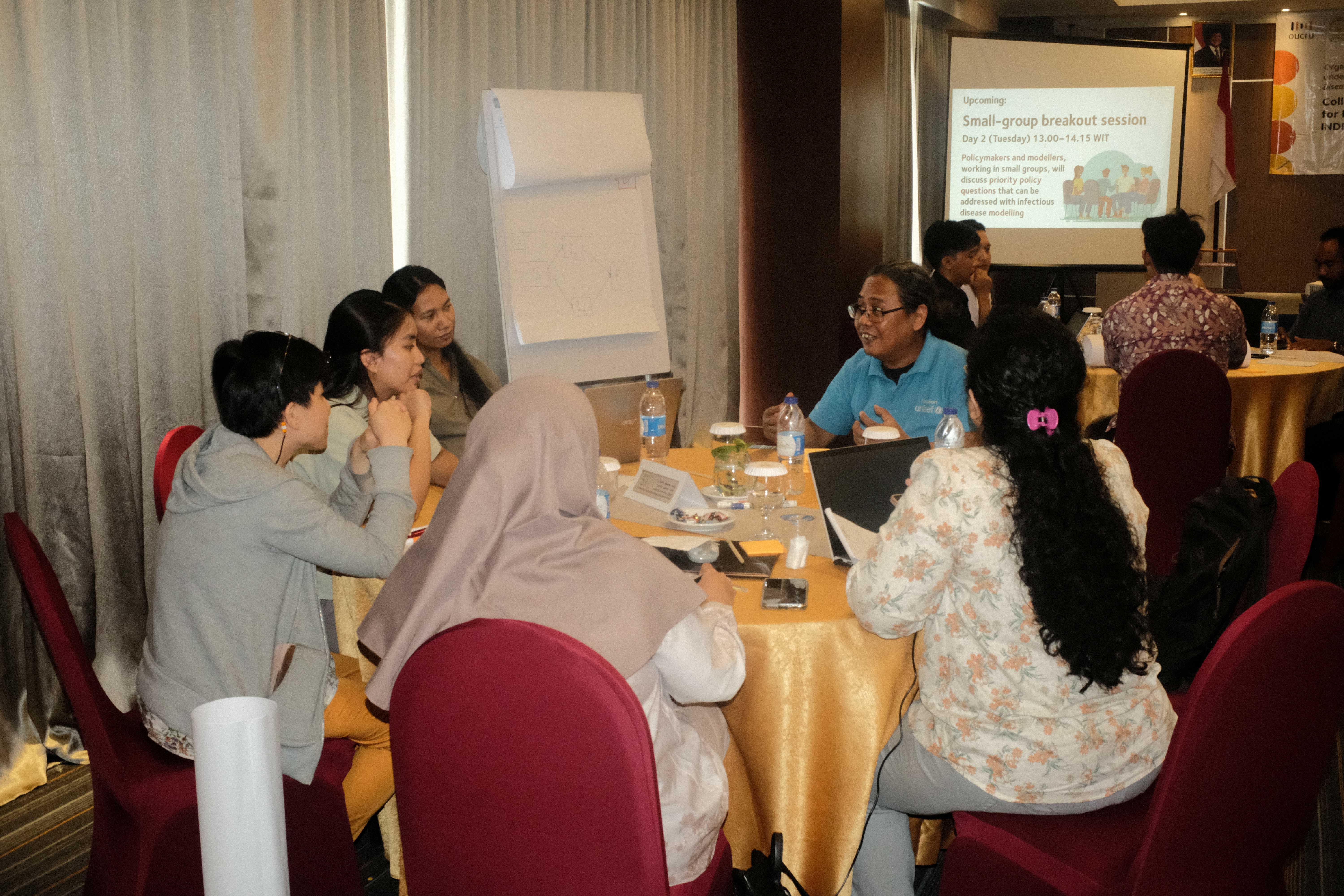
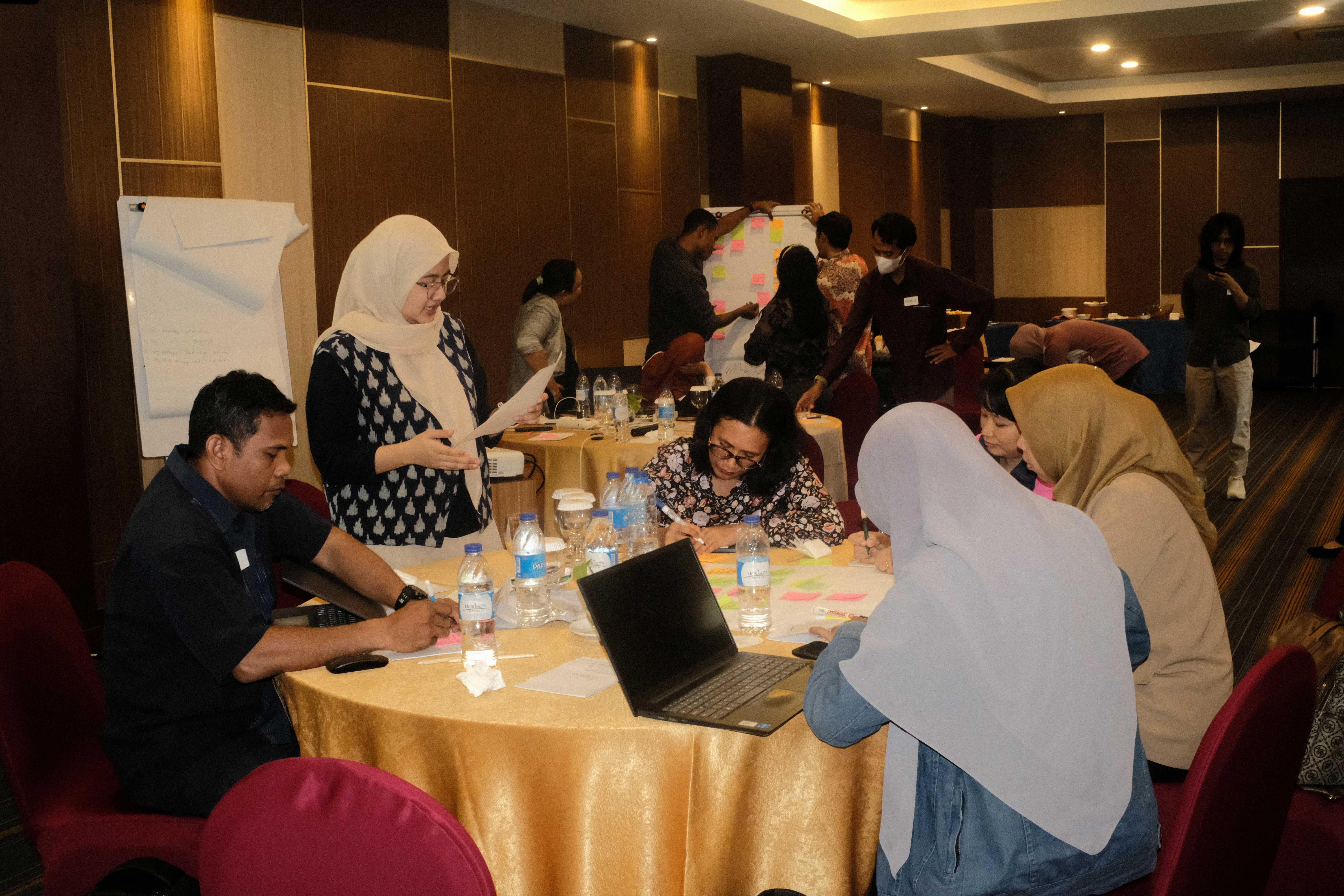
Day 2 emphasized the public health context of Papua, covering current disease priorities, surveillance systems, and existing challenges. Interactive group sessions were used to identify key research questions and build partnerships between modelers and policymakers in designing actionable project plans.
Day 3 provided intensive training on outbreak modeling and how to fit models to real‑world data using R.
Day 4 addressed advanced topics, including public health intervention modeling and vector‑borne disease modeling.
Looking ahead, the workshop is expected to bridge gaps between modeling researchers, public health practitioners, and policymakers. The collaboration fostered through this initiative is anticipated to strengthen public health improvement efforts in Papua.
Tags:
Tags: