Posted By

About Us
Lorem ipsum dolor sit amet, consectetur elit, sed do eiusmod tempor incididunt ut labore et magna aliqua.
Get a free quote
Strengthening Capacity in Infectious Disease Research, OUCRU Indonesia Hosts R Programming Short Course for Data Analysis
-

-
Published on
July 07, 2026
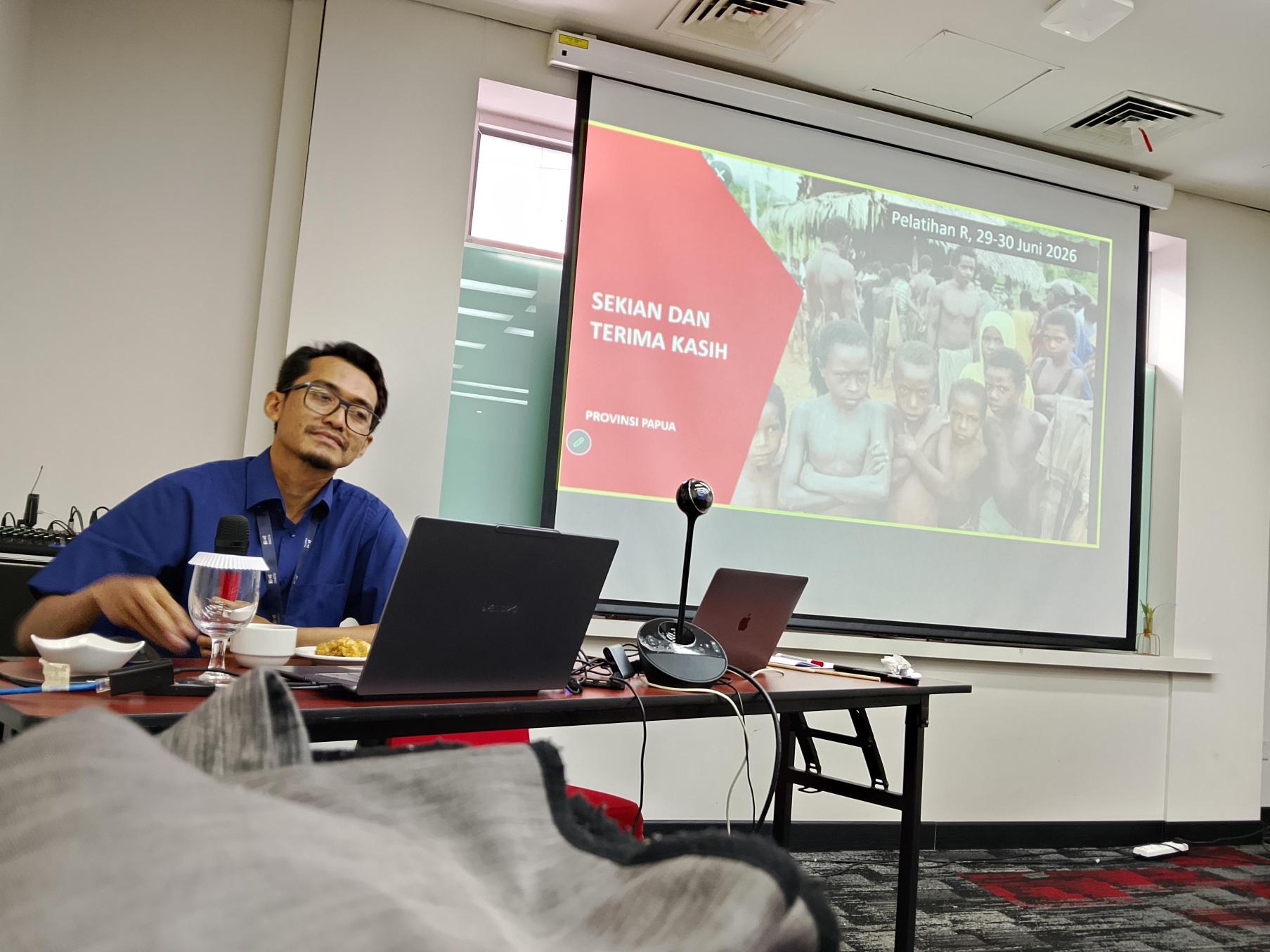
Following the successful execution of spatial mapping and localized household data verification initiatives in the field, capacity-building efforts have now pivoted toward enhancing quantitative analytical skills among researchers. To address this need, the Oxford University Clinical Research Unit (OUCRU) Indonesia organized an intensive short course titled "R Essentials for Infectious Disease Research" on 29–30 June 2026. This training was specifically designed to equip biomedical and public health researchers with practical skills in quantitative data management and analysis using R, a powerful open-source software.

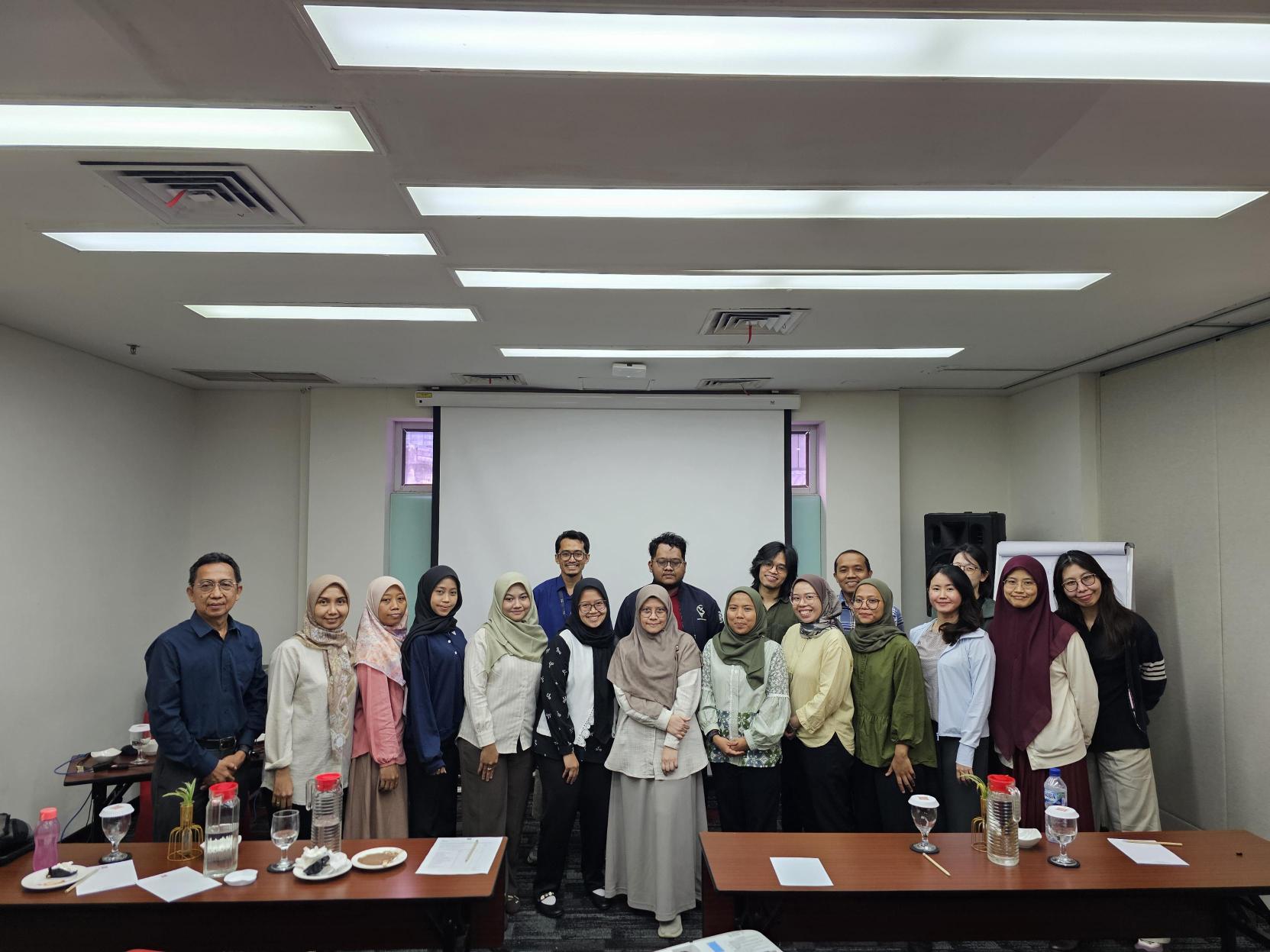
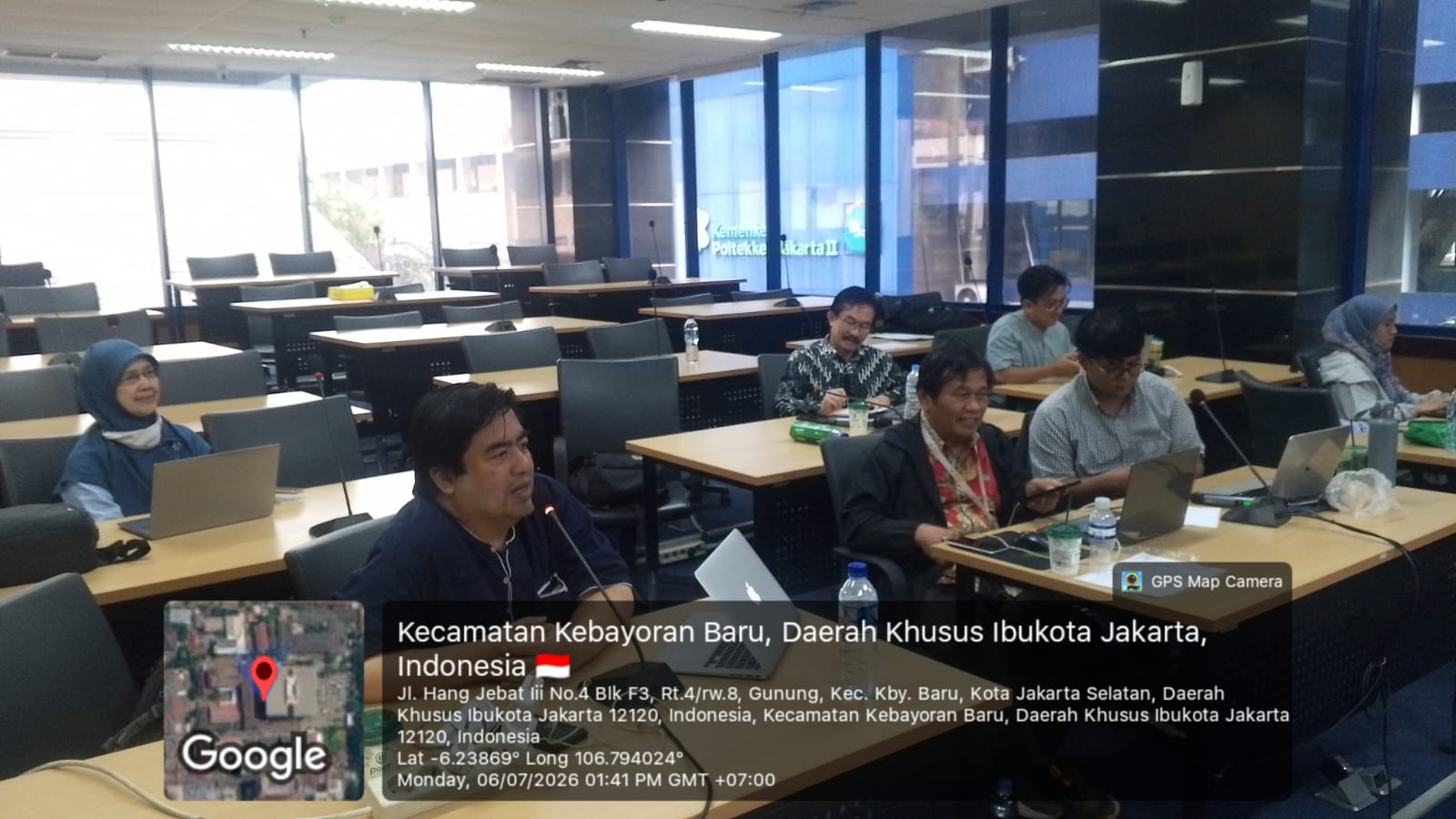
The two-day short course engaged biomedical researchers seeking to incorporate R programming into their own research workflows. Guided by an expert instructor team from OUCRU Indonesia—comprising Ihsan Fadilah (Applied Statistician), Rahmat Sagara (Mathematical Modeller), and Yudha A. Perlambang (Geographic Information System Analyst)—participants received direct mentorship from basic setup to advanced application, with no prior programming experience required. This technical foundation is critical to ensuring data validity and transparency across research institutions.

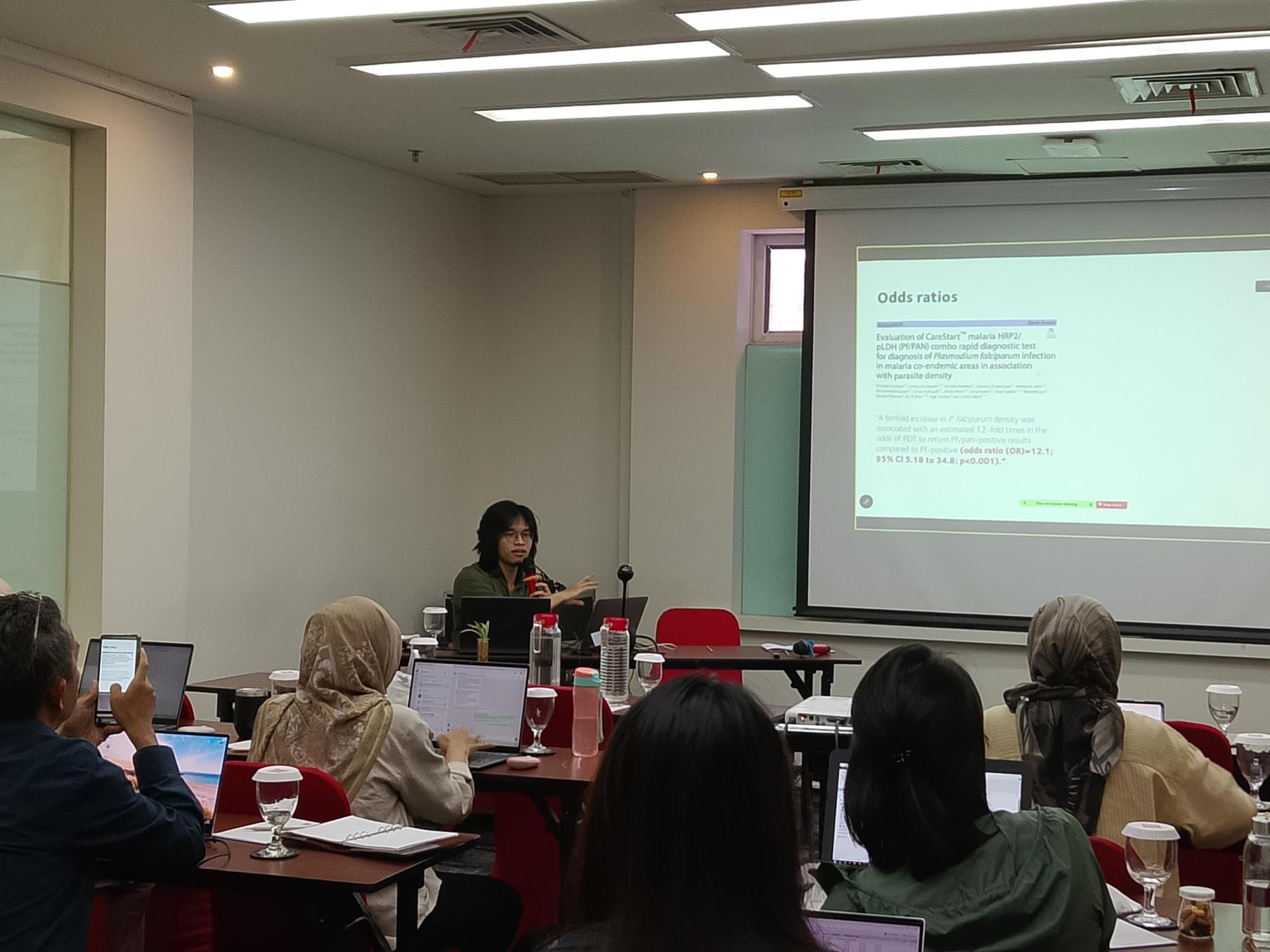
On the first day, the curriculum focused on the foundational R and RStudio ecosystem, working directory configuration, and understanding data types, operators, and objects. Participants were trained in crucial techniques for data importation, data cleaning, preprocessing, and initial data analysis. The afternoon sessions concluded with data visualization basics and digital mapping, which are highly relevant for strengthening spatially driven surveillance systems in tracking infectious diseases.
The second day advanced into the visualization of statistical models, implementing control flows, and constructing custom functions for automated analysis. Beyond theoretical lectures, participants actively applied their knowledge through a hands-on group-work exercise and presented their analytic outputs during a final review session. This practical approach ensures that researchers can effectively translate raw datasets into reproducible, publication-ready visual models that support clinical and public health decision-making.

Overall, this capacity partnership successfully upgraded local research competencies, fostering independent and accurate scientific data management. Armed with robust analytical capabilities in R, health researchers are expected to generate more strategic, efficient, and impactful research outputs. This initiative underscores a sustainable commitment to building an independent, evidence-driven, and globally competitive health research ecosystem in Indonesia.
Tags:
Tags: