Posted By

About Us
Lorem ipsum dolor sit amet, consectetur elit, sed do eiusmod tempor incididunt ut labore et magna aliqua.
Get a free quote
Strengthening Health Research Capacity through Qualitative Data Analysis Training Using NVivo
-

-
Published on
July 02, 2026
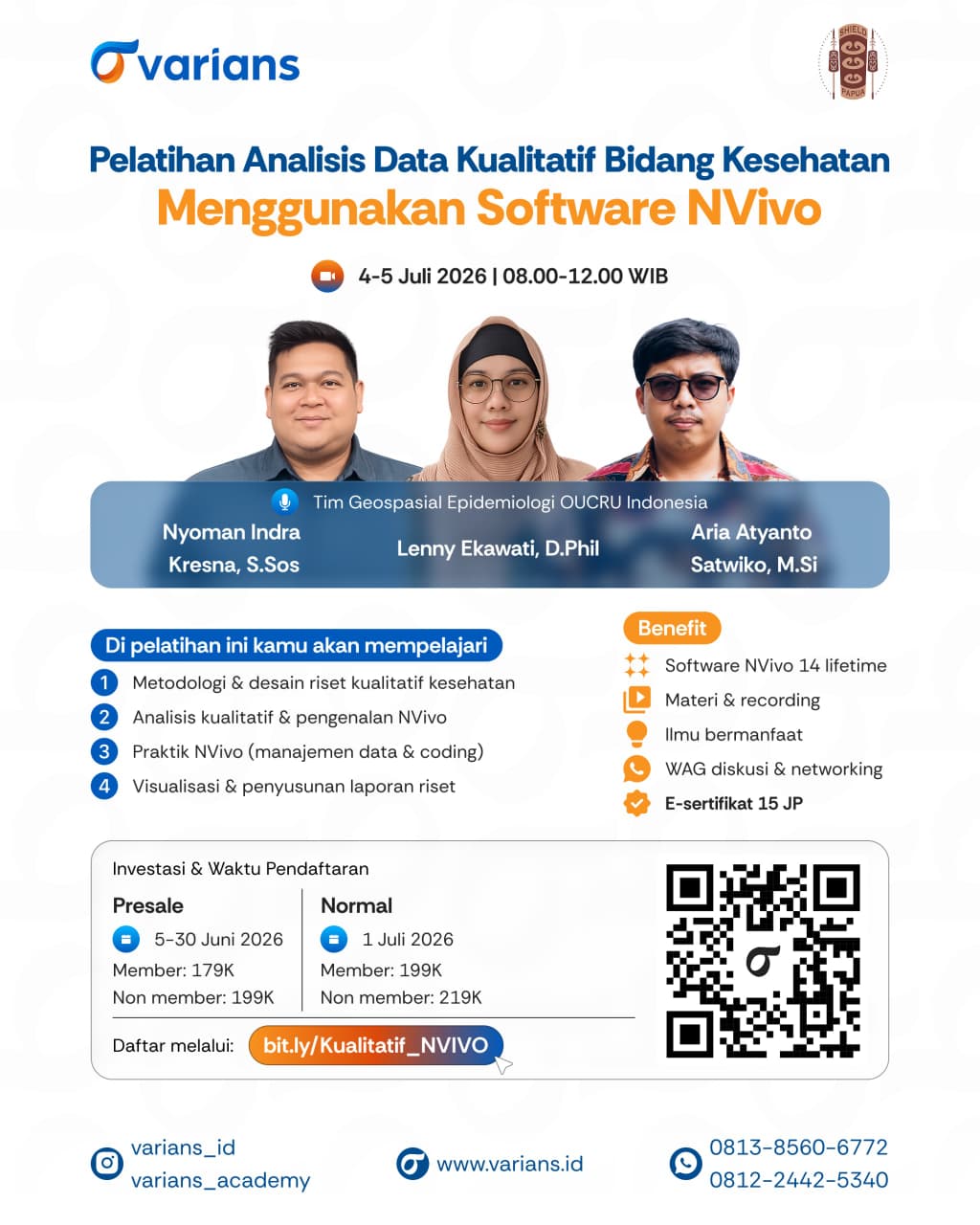
The growing use of qualitative research methods in the health sector has increased the demand for researchers with systematic, transparent, and rigorous qualitative data analysis skills. In response to this need, Varians Academy organised the Qualitative Health Research Data Analysis Training Using NVivo Software on 4–5 July 2026. Delivered online via Zoom from 8:00 am to 12:00 pm (WIB), the capacity-building programme was open to researchers, academics, healthcare professionals, students, and practitioners from a wide range of institutions.
The training featured speakers from the SHIELD PAPUA (Strengthening Health Initiatives for Eliminating Infectious Diseases in Papua): Dr Lenny Ekawati, Aria A. Satwiko, and Nyoman Indra K. Drawing on their experience in public health, infectious diseases, health systems, and implementation research, the facilitators shared practical insights into applying qualitative research methods across diverse health studies. By combining field-based experience with academic perspectives, they guided participants in understanding how rigorous qualitative analysis can generate credible findings to support evidence-informed decision-making.
The programme combined theoretical foundations of qualitative research methodology with practical sessions using NVivo, one of the leading Computer-Assisted Qualitative Data Analysis Software (CAQDAS) packages used in health research. Participants learned how to manage qualitative datasets, undertake coding, develop analytical themes, use query and visualisation functions, and systematically interpret research findings. This approach enhances the quality, consistency, transparency, and efficiency of qualitative data analysis.
In addition to strengthening technical skills, the training emphasised the importance of maintaining an audit trail and practising reflexivity throughout the qualitative research process to ensure methodological rigour and scientific credibility. These competencies are becoming increasingly important as qualitative methods are more widely employed in programme evaluation, implementation research, health policy development, and health systems research.
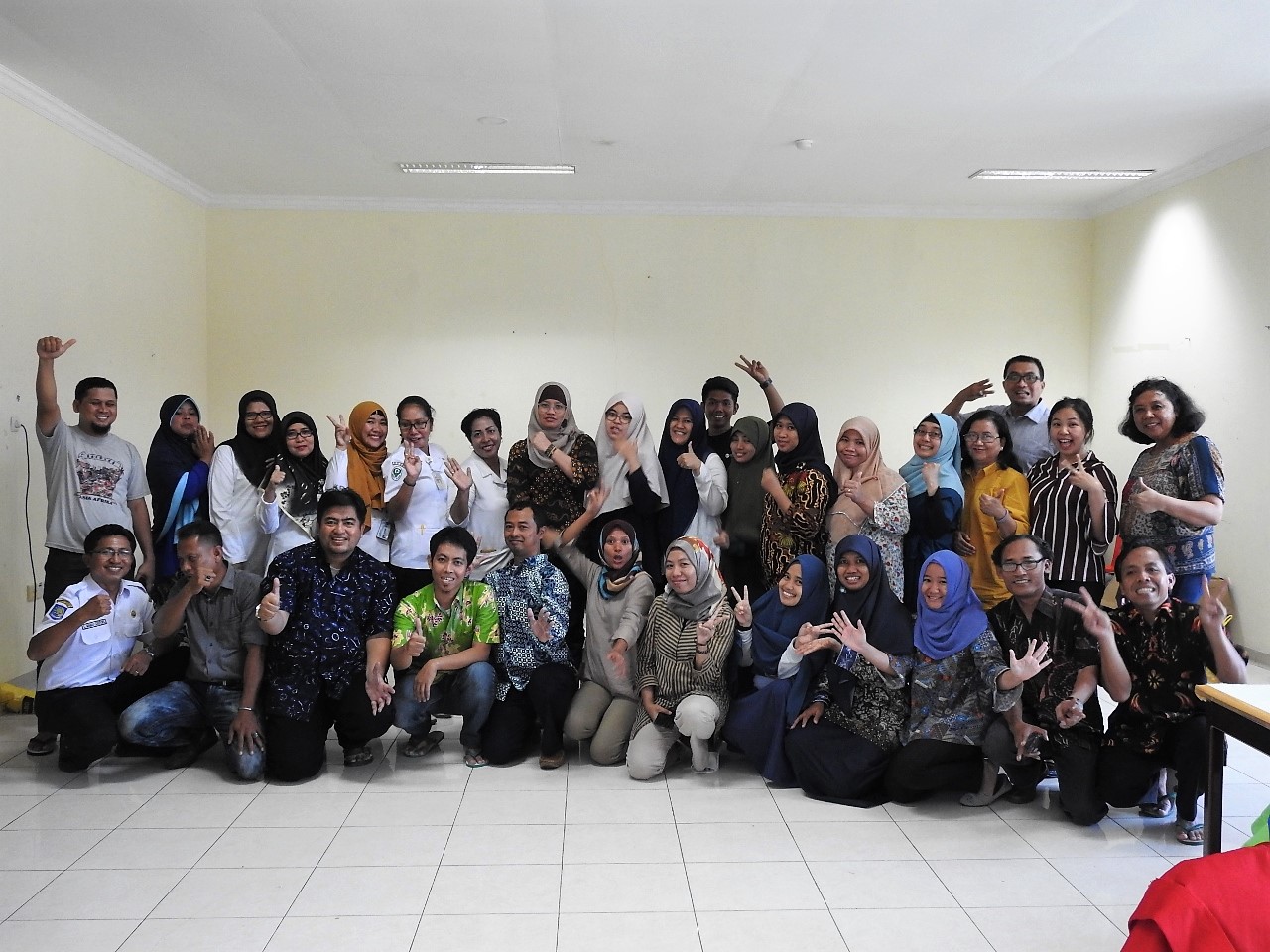
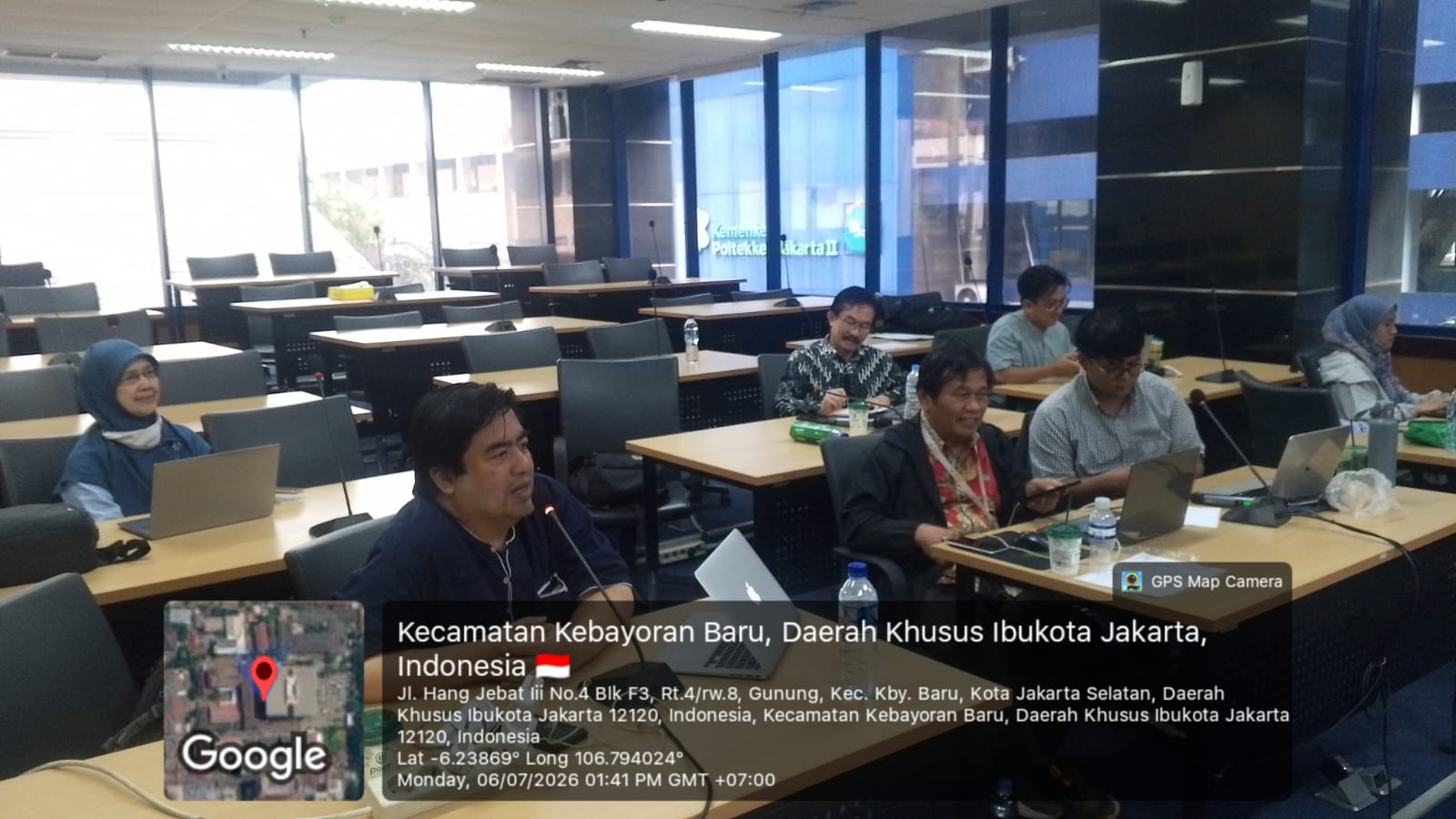
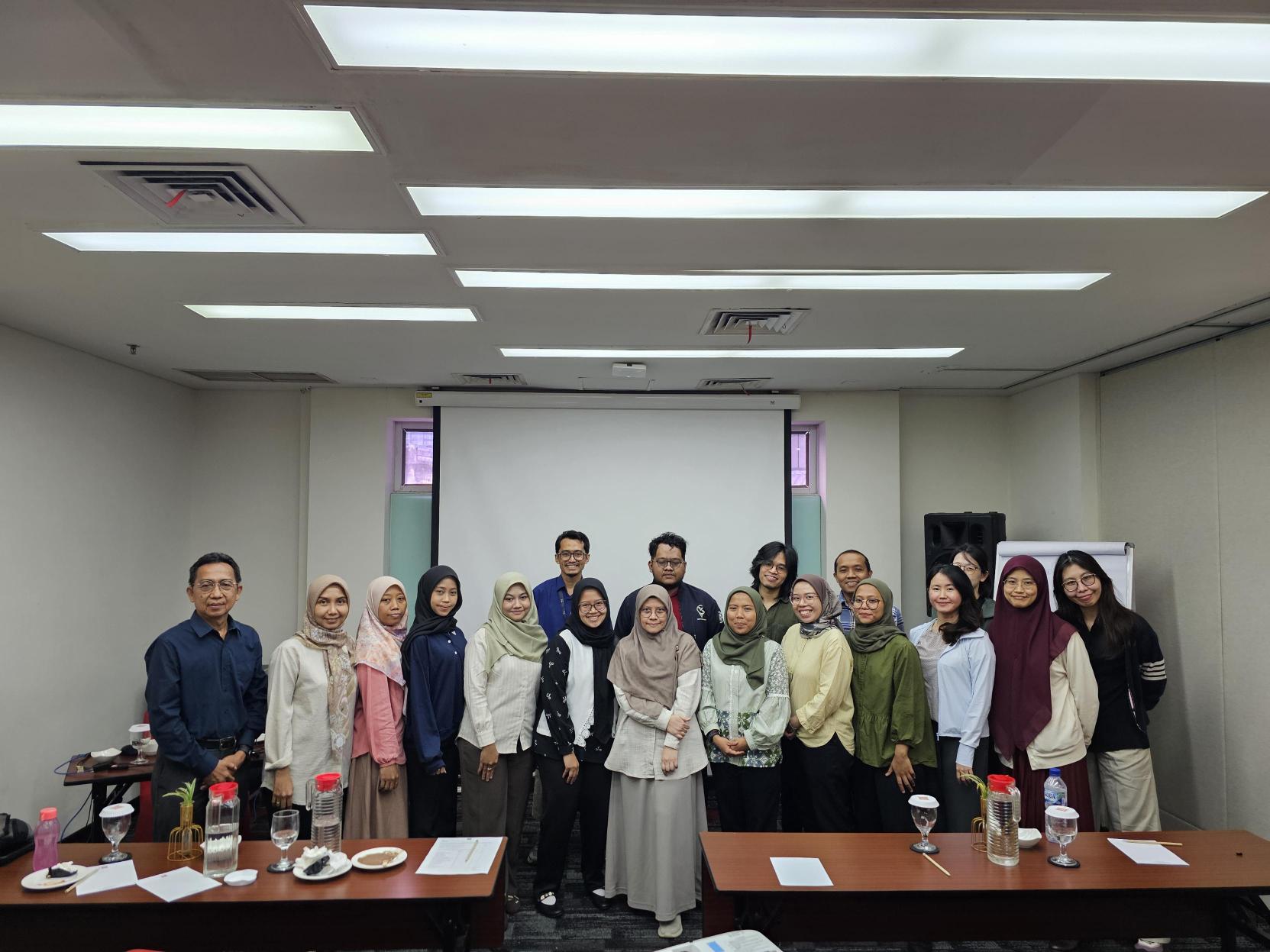
As part of a broader capacity partnership initiative, the training provided a collaborative platform for researchers, academics, and practitioners to exchange experiences, expand professional networks, and promote best practices in qualitative research. Through initiatives such as this, it is hoped that more Indonesian researchers will be equipped to generate high-quality evidence that informs health policy and contributes to more effective healthcare services.
Tags:
Tags: