Posted By

About Us
Lorem ipsum dolor sit amet, consectetur elit, sed do eiusmod tempor incididunt ut labore et magna aliqua.
Get a free quote
Strengthening Malaria Diagnosis in Papua: Why Standard Blood Slides Still Matter
-

-
Published on
June 05, 2026
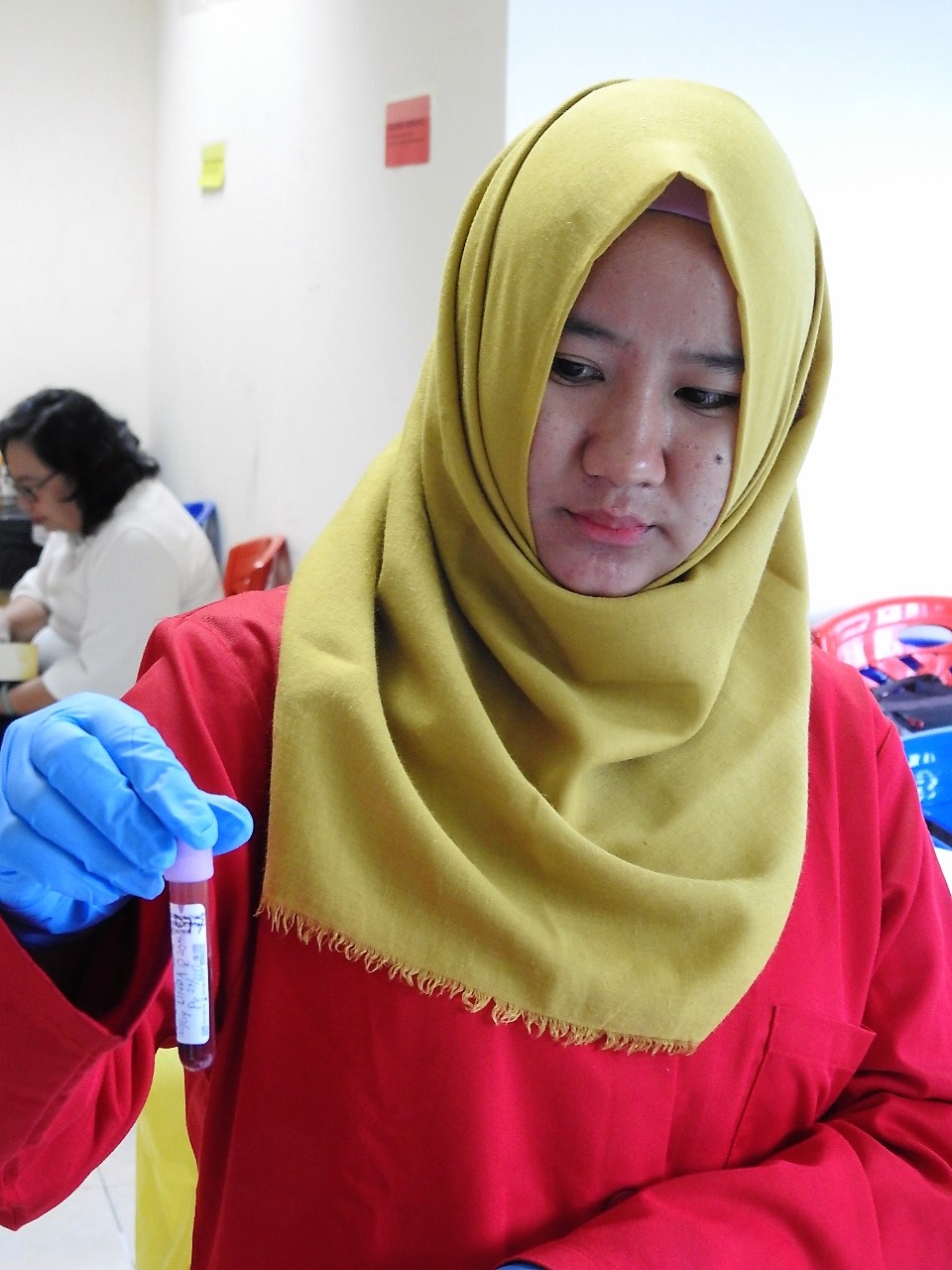
In malaria work, diagnosis is never just a laboratory result. It shapes whether a patient receives treatment, whether a family trusts the health facility, and whether surveillance data can guide the next public health decision. In Papua, where malaria transmission remains complex and many health services operate across difficult geography, this quiet laboratory work becomes part of the foundation of malaria elimination.
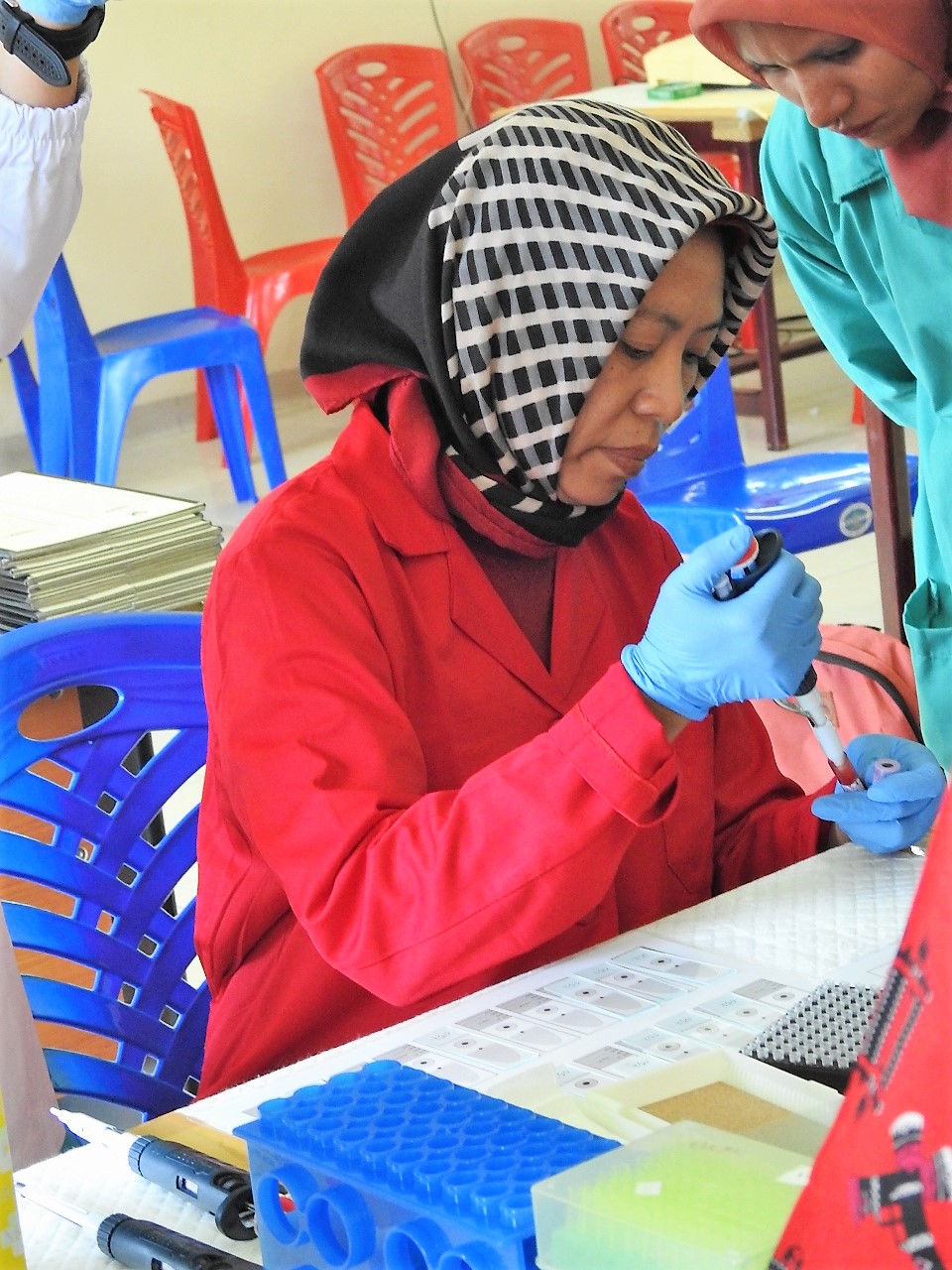
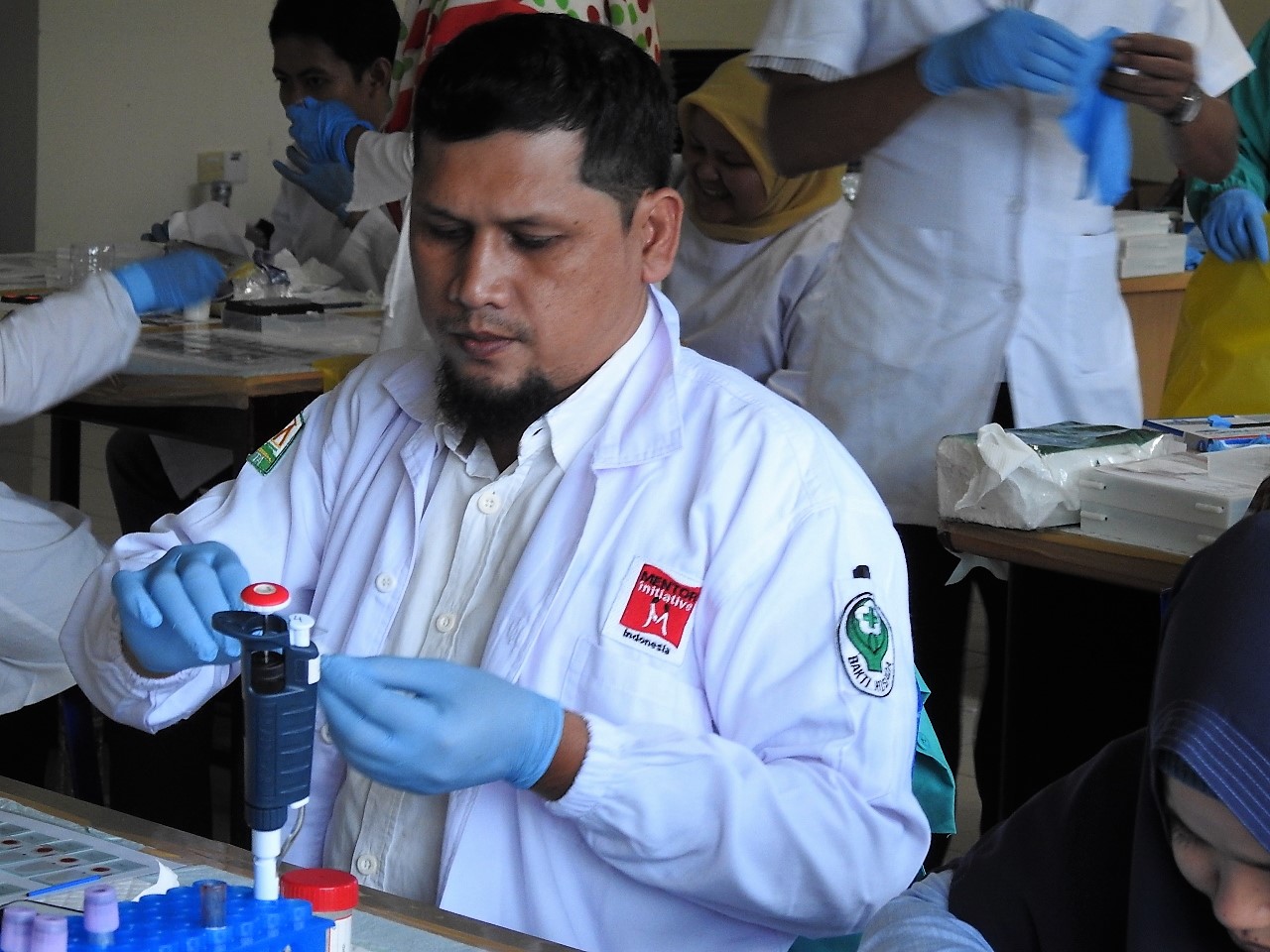
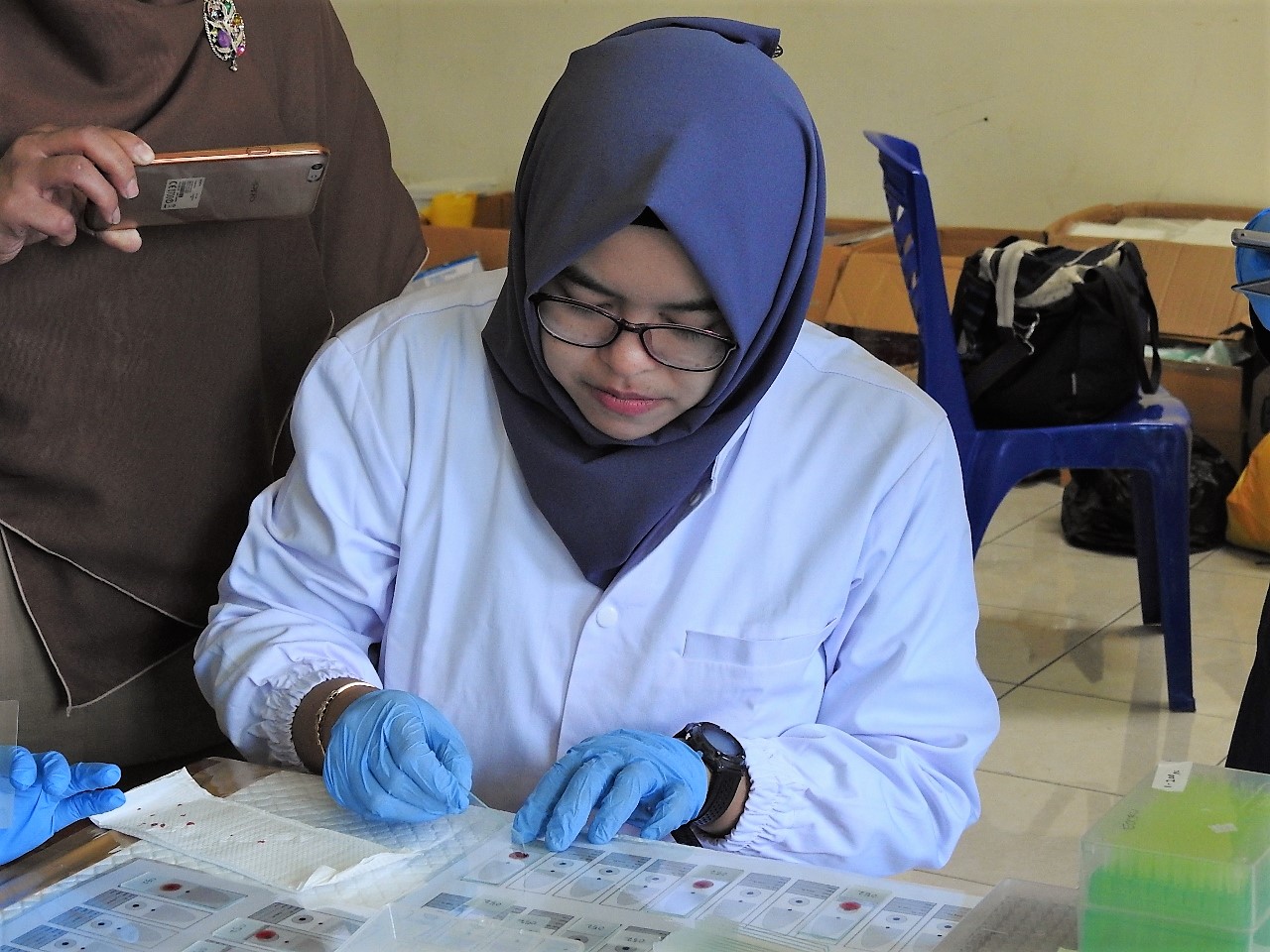
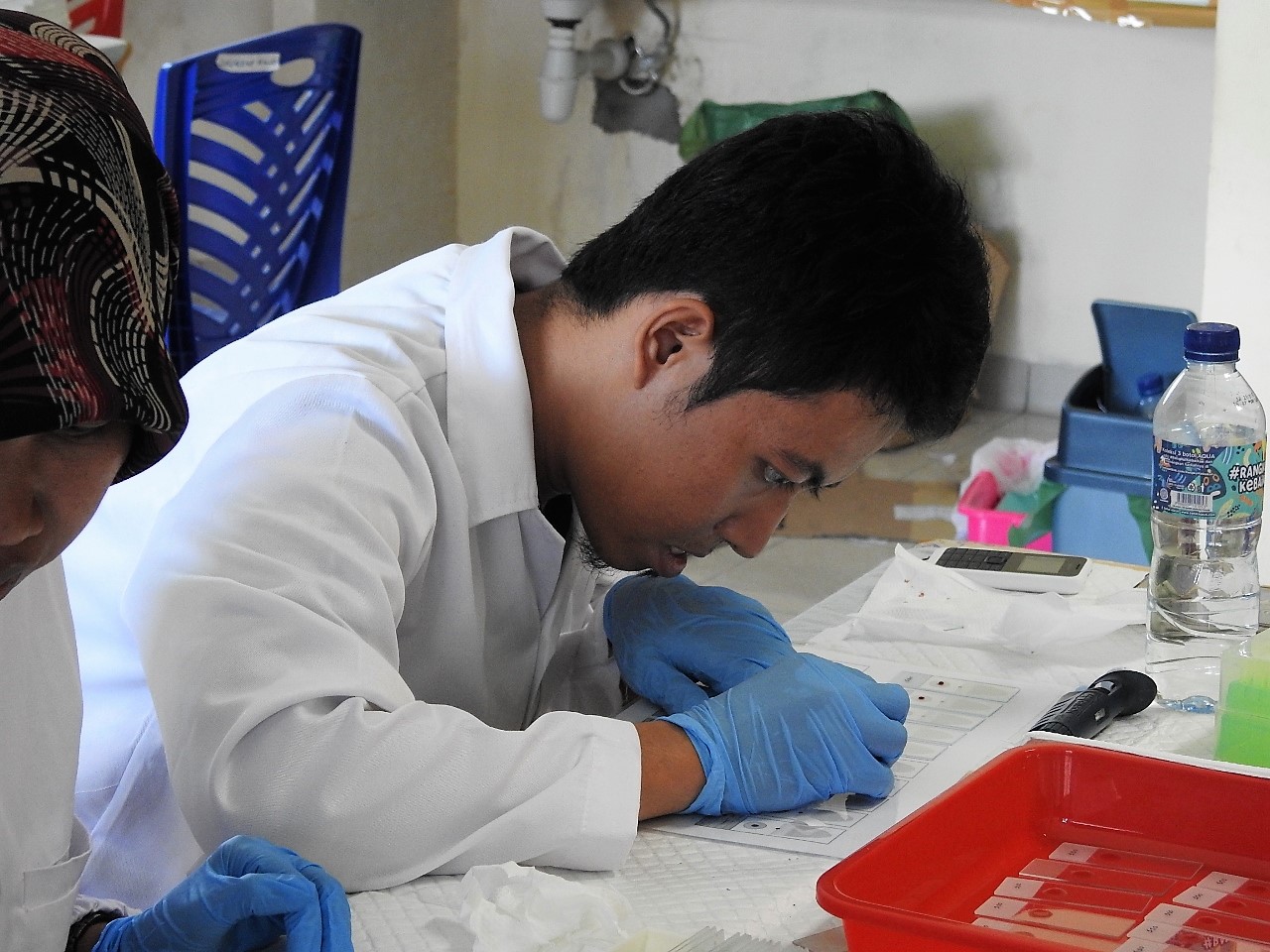
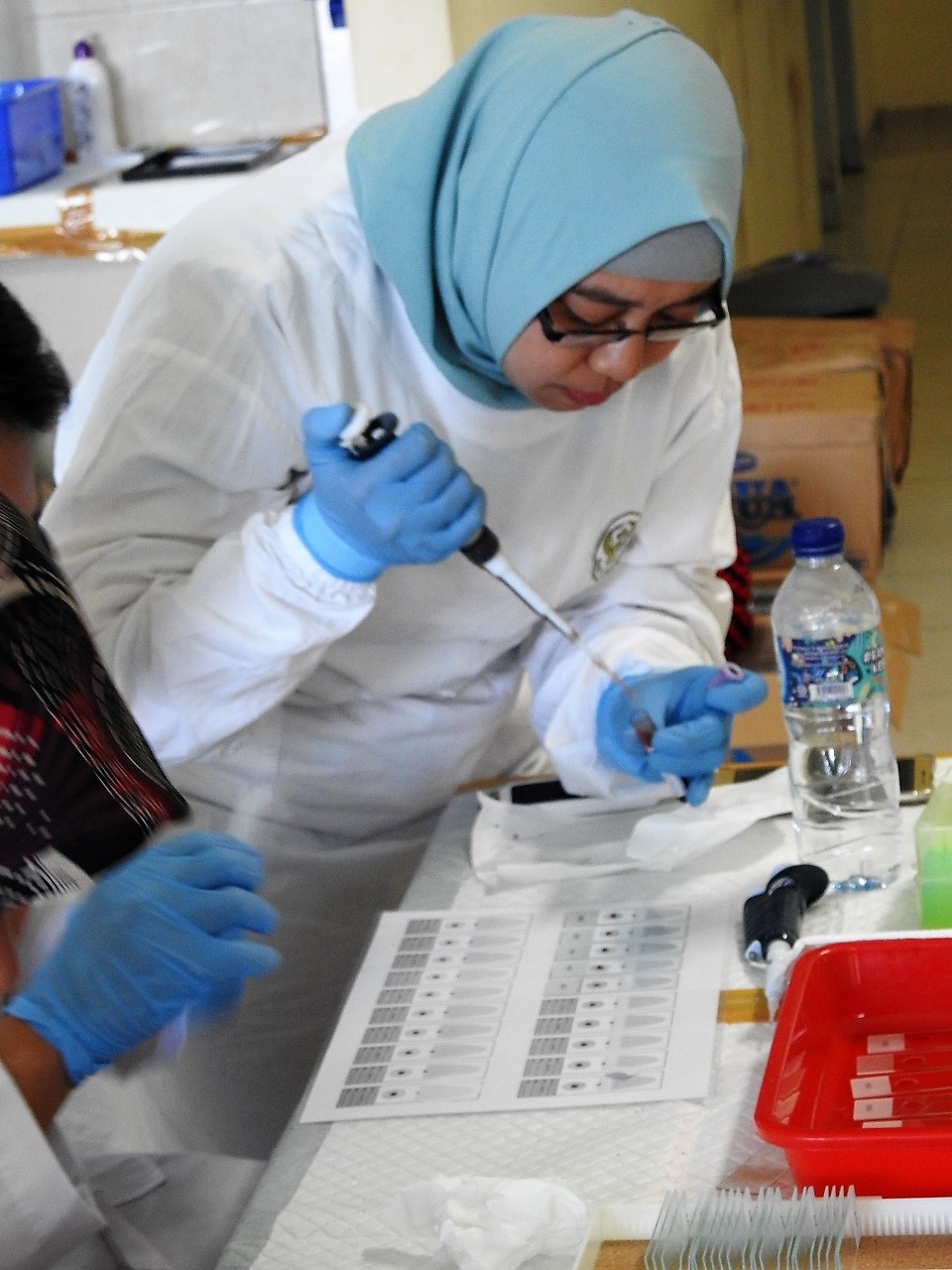
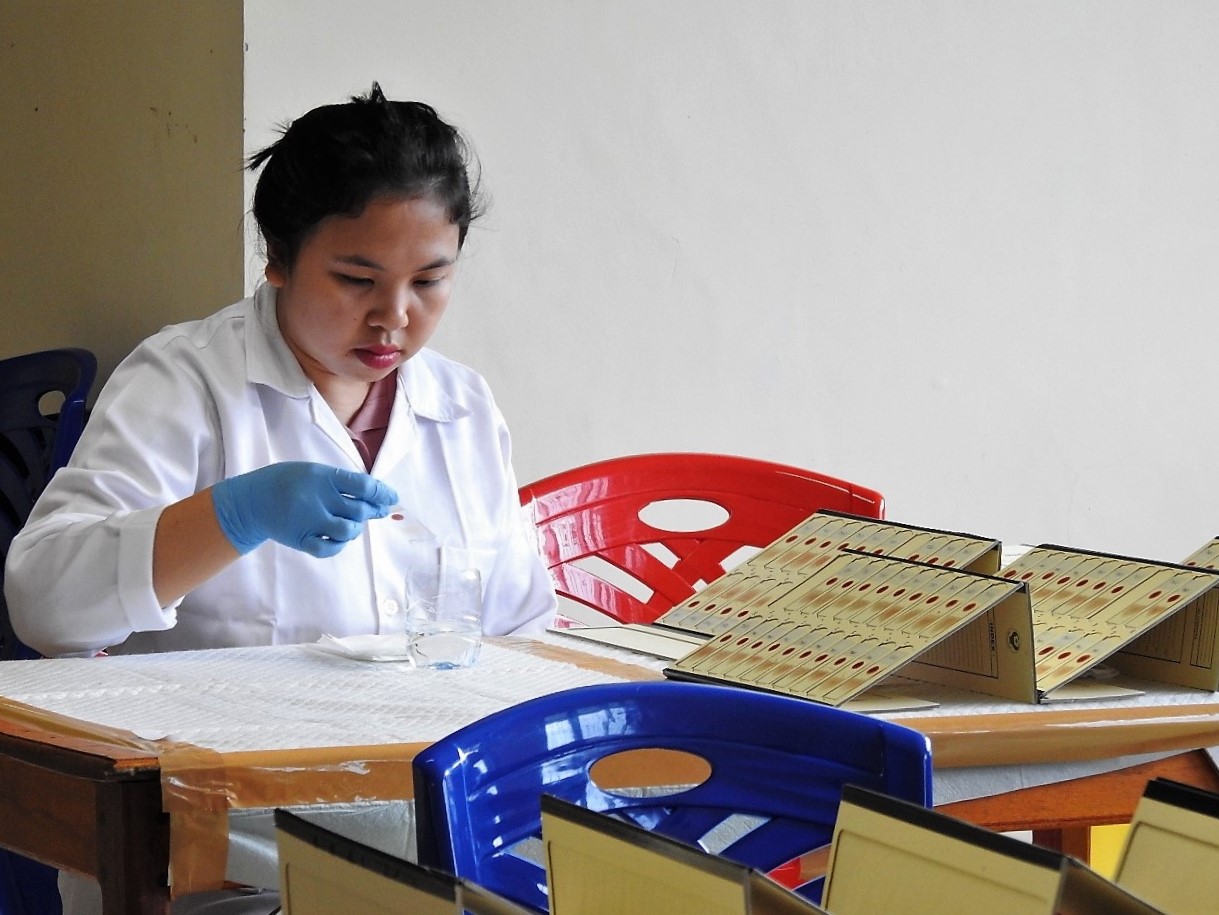
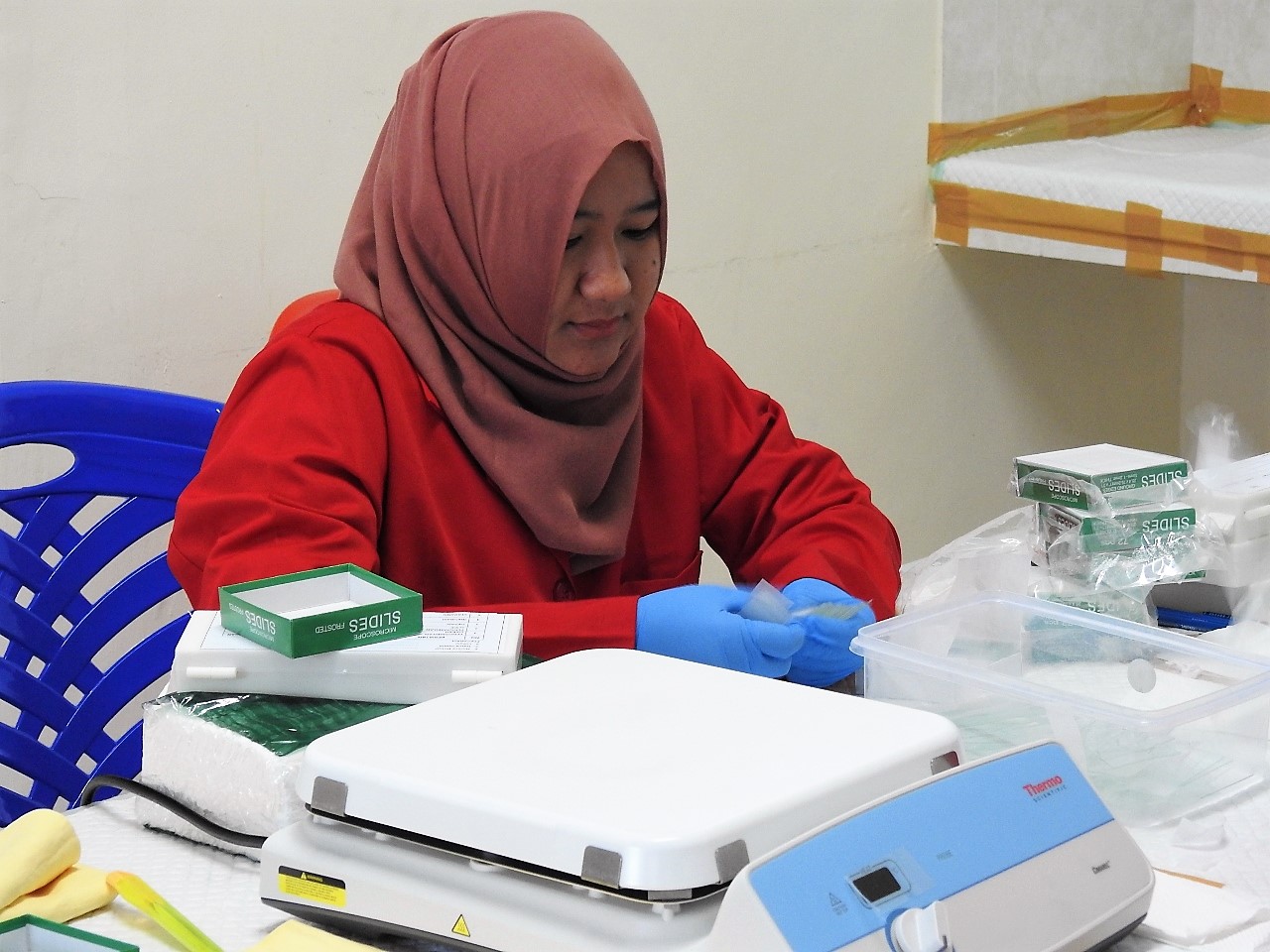
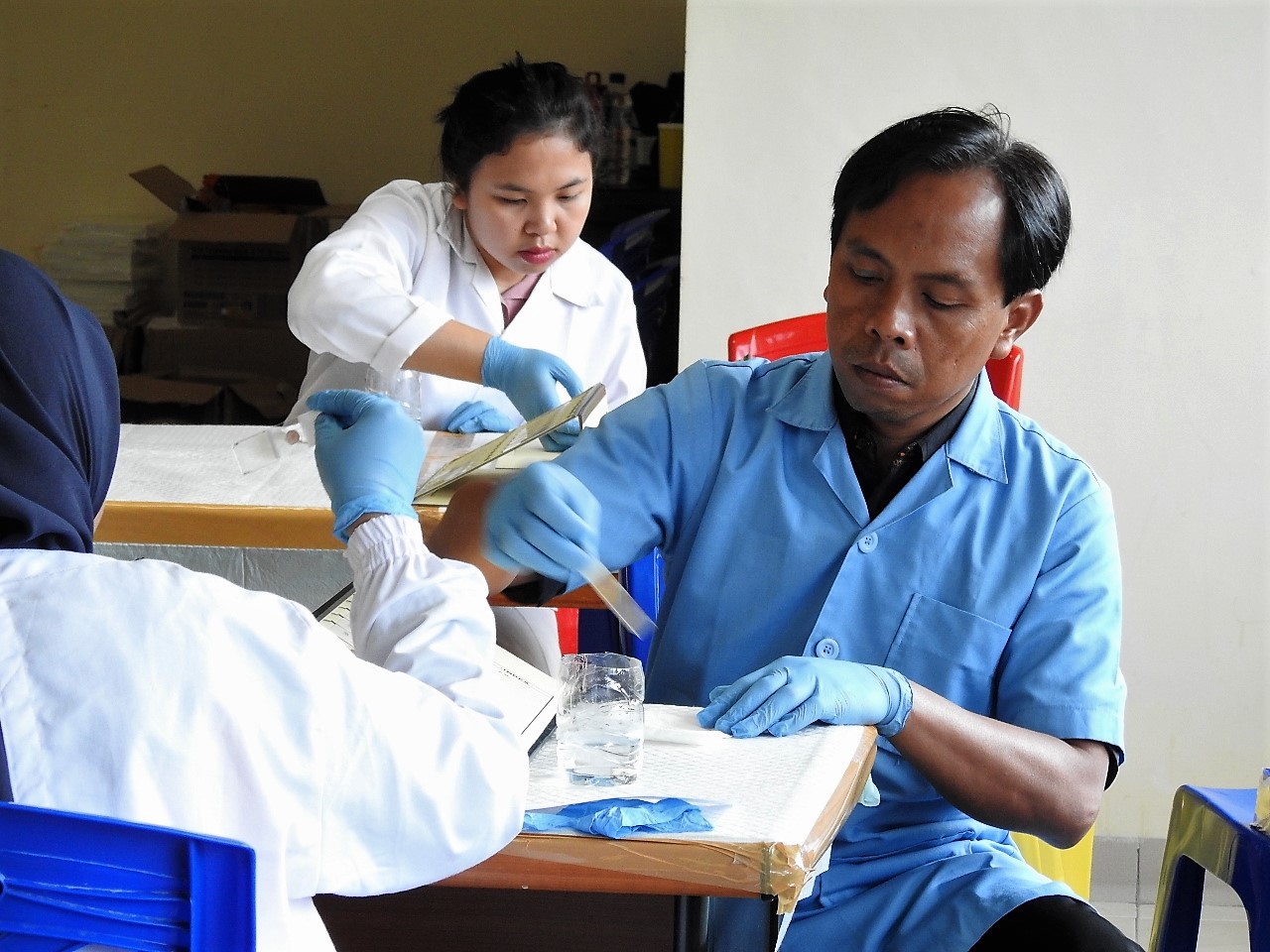
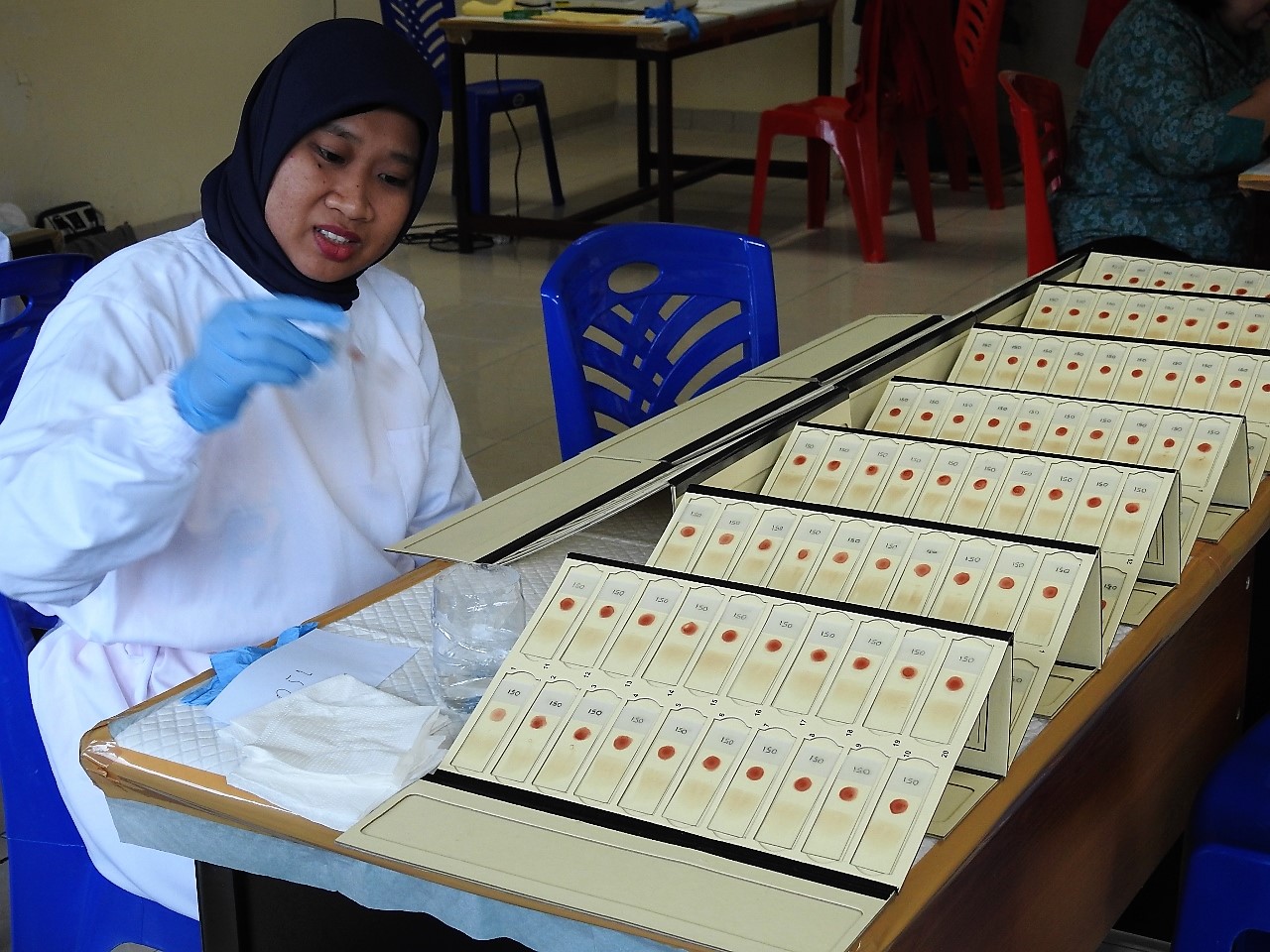
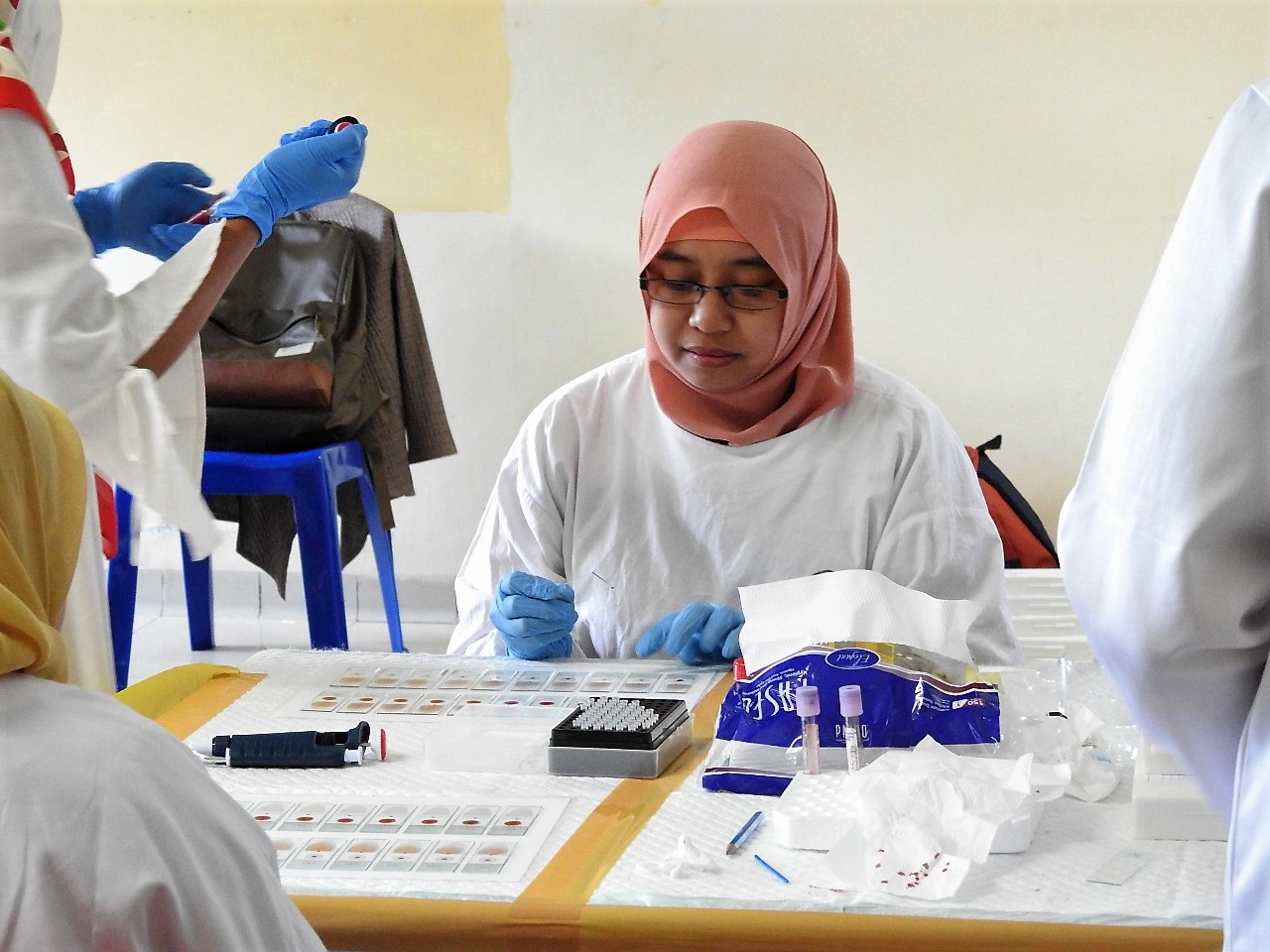
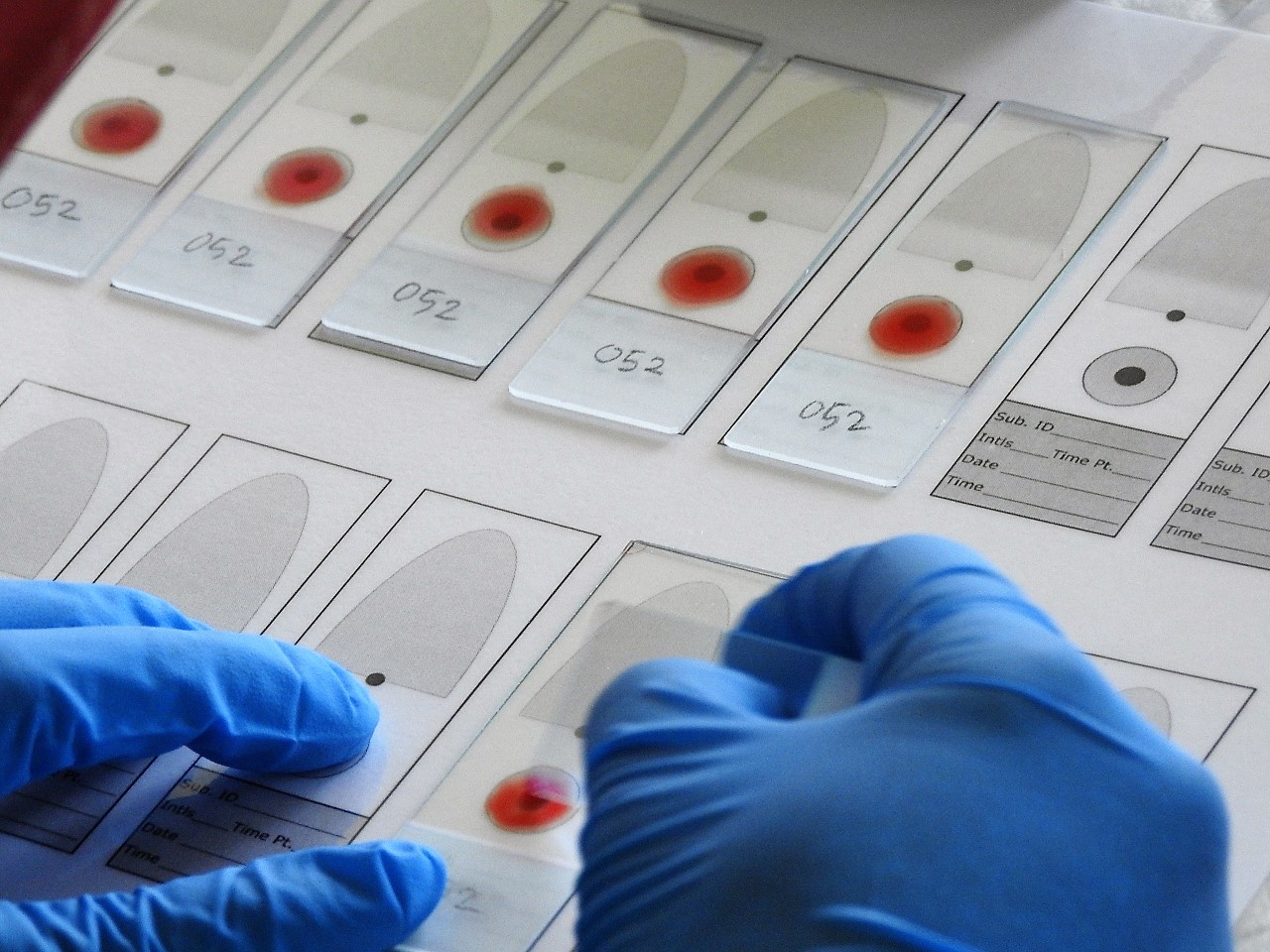
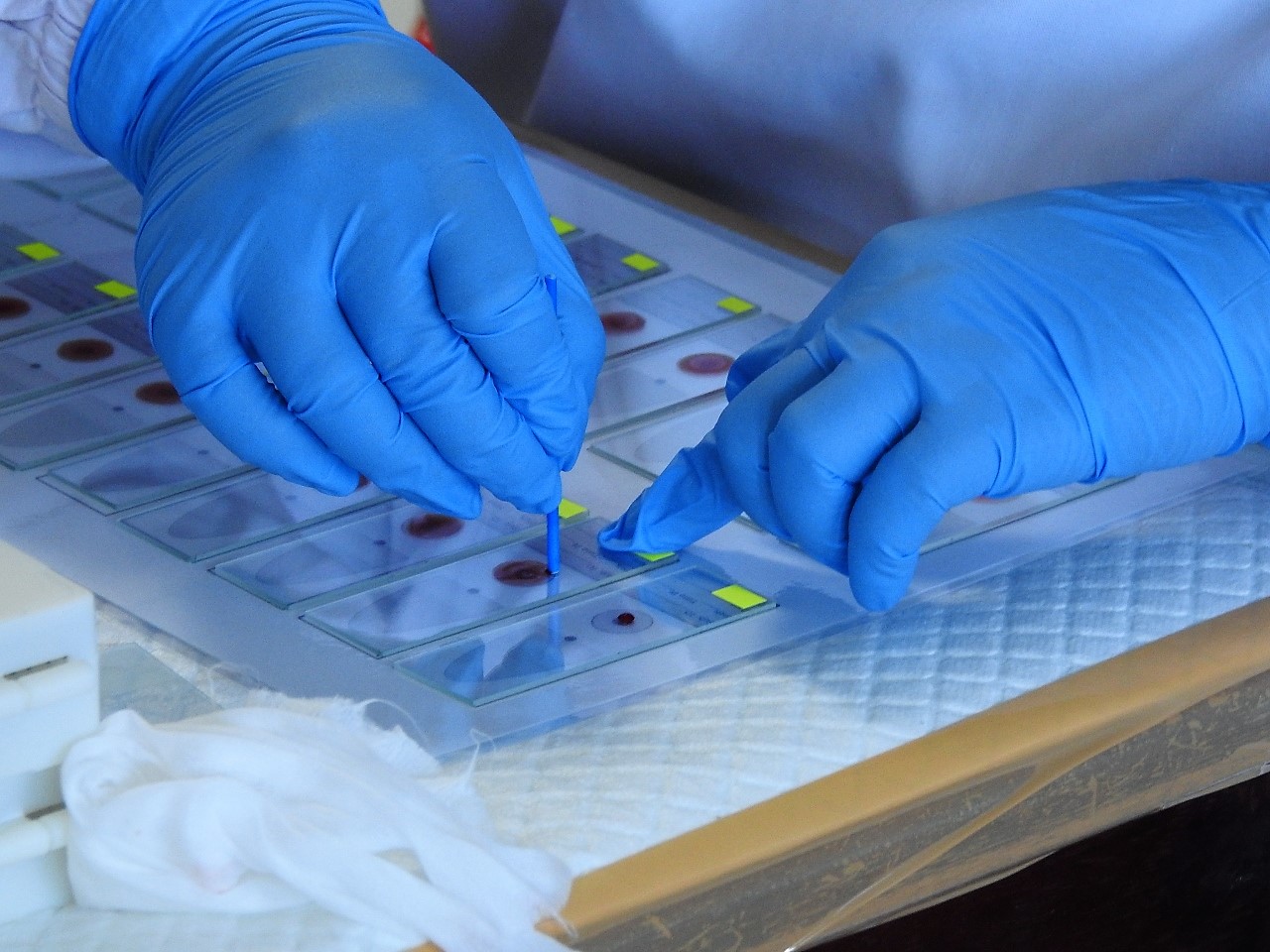
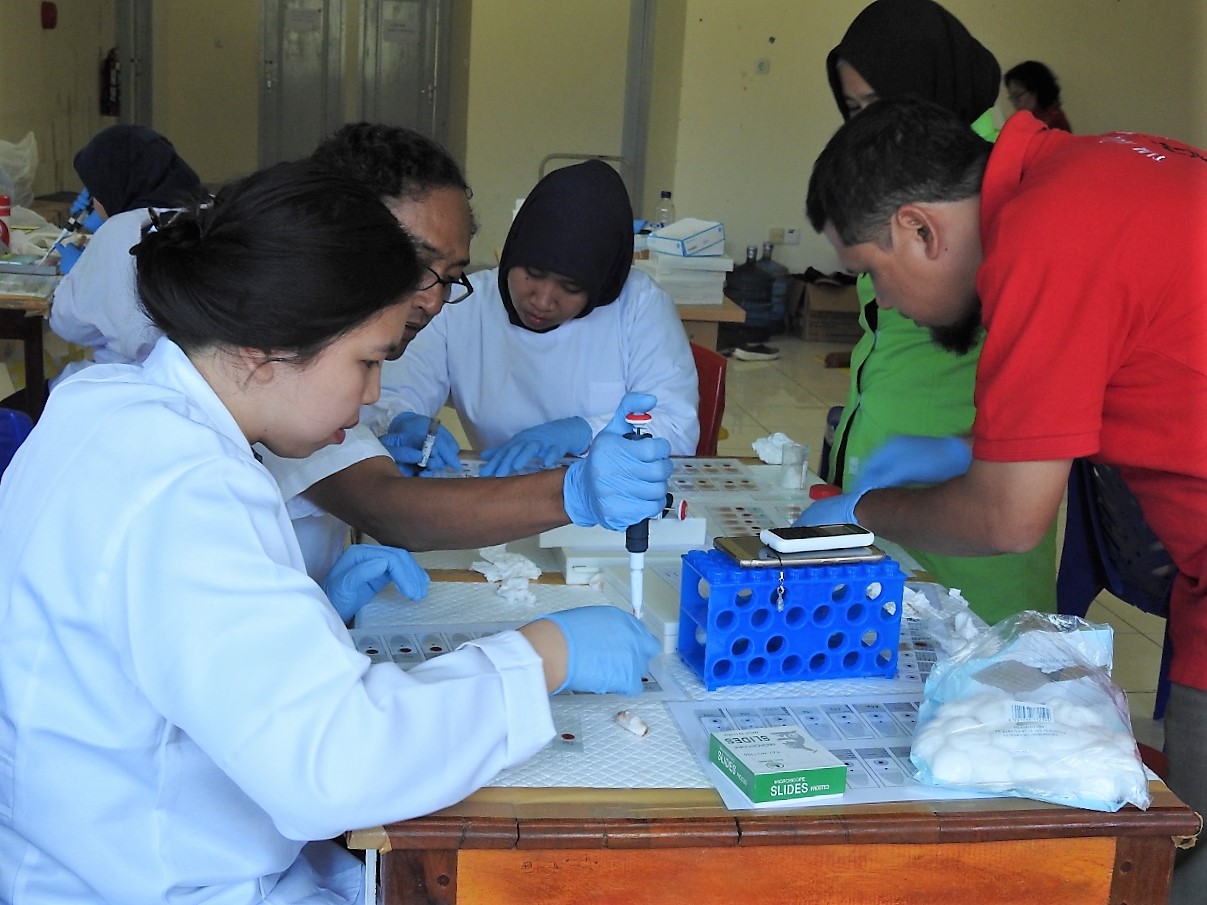
The attached guideline, Pedoman Pembuatan Sediaan Darah Malaria untuk Pelatihan dan Penilaian Kompetensi Diagnosis Mikroskopis di Indonesia, was developed in 2016 to support a national system for producing standard malaria blood slides. These slides were designed for training and competency assessment of malaria microscopists. The aim was simple but important: to make sure that the people reading malaria slides can correctly distinguish positive and negative samples, identify Plasmodium species, and estimate parasite density.
Even with the wider use of rapid diagnostic tests and molecular methods, microscopy remains central to malaria diagnosis and quality assurance. A false-negative result can delay treatment and expose patients to severe illness. A false-positive result can lead to unnecessary treatment and may weaken confidence in health services. Good microscopy therefore depends not only on the skill of the microscopist, but also on the quality of slides, staining, microscopes, supervision, and external validation.
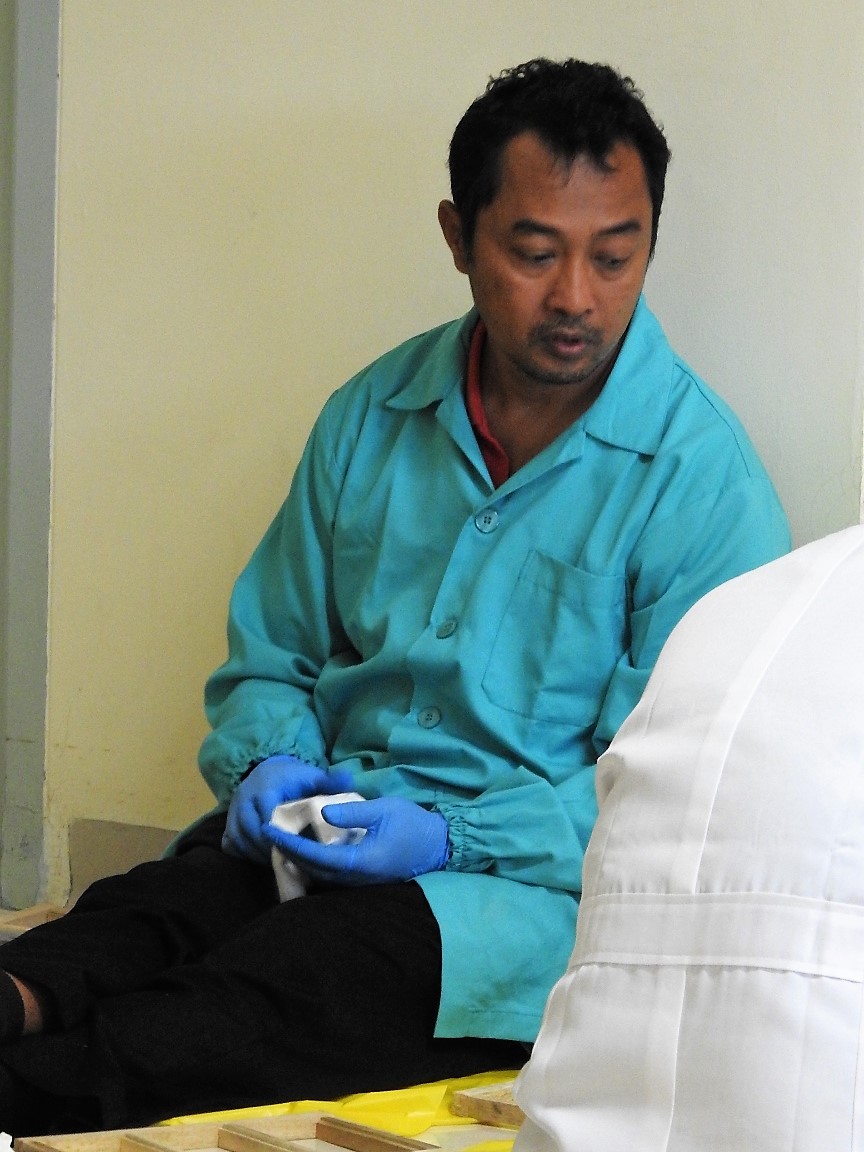
Papua played an important role in this work. Blood collection was planned through health facilities in Jayapura and Abepura, with support from the Papua Provincial Health Laboratory. Further confirmation and validation involved PCR and review by national expert microscopists. The guideline also paid attention to ethical practice: donor participation had to be voluntary, based on informed consent, and handled with confidentiality.
For SHIELD PAPUA, this document remains relevant because it shows how malaria control relies on systems that are often invisible to the public. Bed nets, medicines, community outreach, and surveillance are essential, but they must be supported by reliable diagnosis. Strengthening microscopy training and maintaining standardised slide collections are not only laboratory activities; they are investments in trust, patient safety, and better malaria decisions for communities in Papua, especially in remote and underserved areas where diagnostic delays can be costly.
Download the guideline: Pedoman Pembuatan Sediaan Darah Malaria untuk Pelatihan dan Penilaian Kompetensi Diagnosis Mikroskopis di Indonesia
Tags:
Tags: